You've heard the buzz. Friends are dropping weight, energy levels are soaring, and everyone's talking about keto. But when you sit down to figure it out, you're hit with a wall of macros, metabolic states, and conflicting advice. It's enough to make you grab a bagel and give up. I get it. I started keto over a decade ago, back when it was just the "weird Atkins thing." I made every mistake in the book so you don't have to. Let's skip the science lecture you'll forget and get straight to what you need: a clear, actionable plan to start keto without the misery.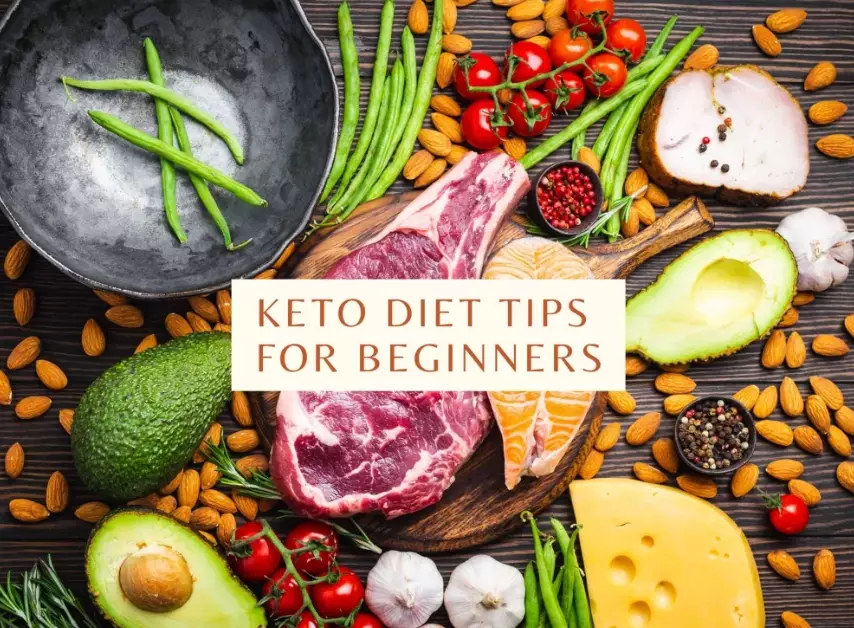
What You'll Find Inside
What the Keto Diet Actually Is (And Isn't)
At its core, keto is a low-carb, high-fat diet. You drastically cut carbs (usually to under 20-50 grams net per day), eat a moderate amount of protein, and get most of your calories from fat. This switch forces your body into ketosis, a state where it burns fat for fuel instead of glucose from carbs.
That's the textbook definition. Here's the reality most blogs won't tell you: Keto isn't just a diet; it's a metabolic hack. The weight loss is great, but the steady energy, mental clarity, and reduced hunger are what keep people hooked. It's not about eating sticks of butter for fun. It's about retraining your body to use a cleaner, more efficient fuel source.
What it isn't? A high-protein diet. That's a common mix-up. Eat too much protein, and your body can convert some of it into glucose through a process called gluconeogenesis, which can knock you out of ketosis. The focus is on fat.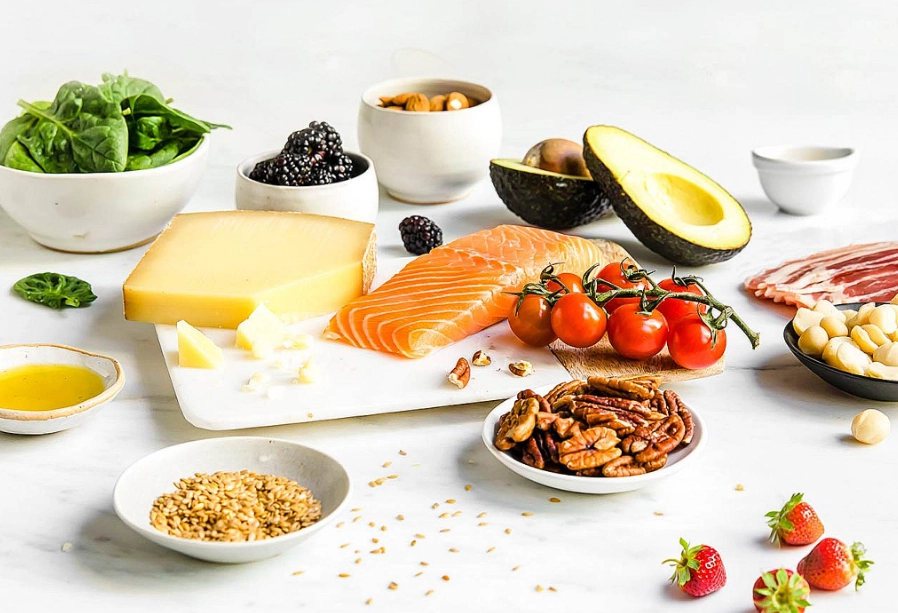
The Single Biggest Mistake Keto Beginners Make
Everyone worries about carbs. They obsess over hidden sugars and weigh their broccoli. But the mistake that derails more beginners than any other is ignoring electrolytes.
When you cut carbs, your body flushes out water and with it, crucial minerals: sodium, potassium, and magnesium. This depletion is the primary cause of the "keto flu"—the headaches, fatigue, brain fog, and cramps that make people quit in the first week. They think their body is rejecting the diet, when it's just screaming for salt.
My second-day headache was so bad I thought I had the flu. A seasoned keto friend told me to drink a cup of broth. Within 30 minutes, it was gone. That's when I learned the golden rule: on keto, salt is your friend, not your enemy. Forget counting every calorie at the start. If you feel lousy, up your electrolytes first. It's the simplest fix with the biggest impact.
Your Simple Keto Food List: What to Eat & Avoid
Throw out the complex charts. Here’s the beginner's visual guide. Don't overcomplicate it in Week 1. Build your meals from the "Eat" column, and you'll be 90% of the way there.
| Eat Freely | Eat in Moderation | Avoid Completely |
|---|---|---|
| Meats: Beef, chicken, pork, lamb, bacon. | Nuts & Seeds: Almonds, macadamias, walnuts, chia seeds, pumpkin seeds (watch portions). | Grains: Bread, pasta, rice, cereal, oats. |
| Fatty Fish: Salmon, mackerel, sardines, tuna. | Berries: Raspberries, blackberries, strawberries (a small handful). | Sugar: Soda, candy, juice, pastries, most desserts. |
| Eggs: Any style. | Dairy: Full-fat cheese, heavy cream, plain Greek yogurt (check carbs). | Starchy Veggies: Potatoes, sweet potatoes, corn, peas. |
| Above-Ground Veggies: Spinach, kale, broccoli, cauliflower, peppers, mushrooms. | Low-Carb Sweeteners: Stevia, erythritol, monk fruit. | Legumes: Beans, lentils, chickpeas. |
| Natural Fats: Butter, olive oil, coconut oil, avocado oil. | Low-Carb Flours: Almond flour, coconut flour (for baking). | Most Fruits: Bananas, apples, oranges, grapes (high in sugar). |
| Avocados | Dark Chocolate: 85% cocoa or higher. | Processed "Low-Fat" Foods: Usually packed with sugar. |
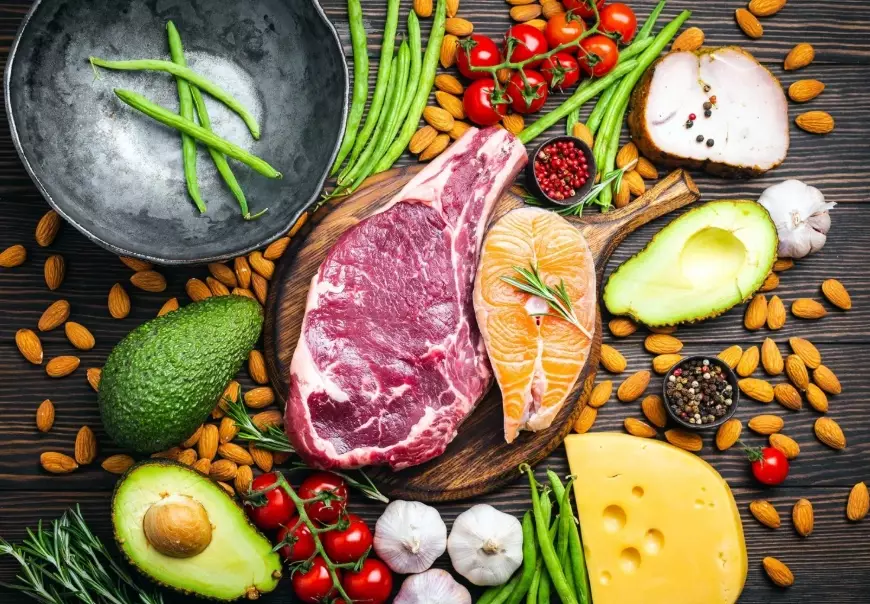
See? No grams, no percentages. Just real food. Your first shopping trip should be mostly the perimeter of the grocery store: meat section, produce (for those leafy greens), and dairy.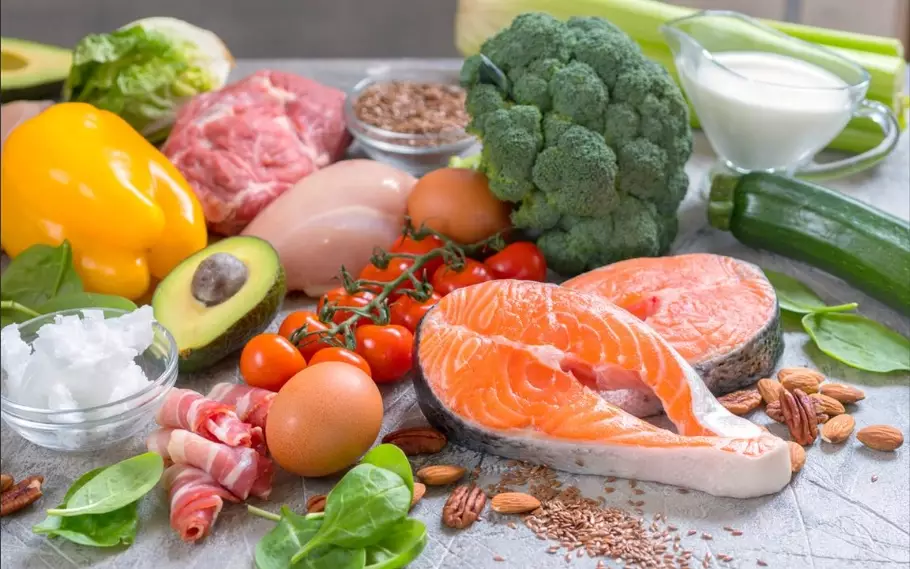
Pro Tip: Don't try to replicate your old carb-heavy meals with "keto" versions right away. Those almond flour pancakes and fat bombs can wait. Start by eating simple, whole foods: a piece of meat with a side of veggies cooked in butter. Master that first.
A Practical 7-Day Keto Meal Plan for Beginners
Here’s a sample week to get you started. This isn't set in stone—swap days, repeat meals, make it yours. The goal is to show you how simple a day of eating can be.
Day 1
Breakfast: Scrambled eggs with cheese and spinach cooked in butter.
Lunch: Large salad with grilled chicken, avocado, bacon bits, and olive oil dressing.
Dinner: Baked salmon with a side of roasted asparagus drizzled with lemon and olive oil.
Day 2
Breakfast: Full-fat Greek yogurt with a few raspberries and a sprinkle of chia seeds.
Lunch: Leftover salmon from Day 1.
Dinner: Ground beef taco salad (season beef, serve over lettuce with cheese, salsa, sour cream, no shell).
Day 3
Breakfast: Coffee with a tablespoon of heavy cream (or black).
Lunch: Tuna salad (mixed with mayo) served in an avocado half.
Dinner: Roast chicken thighs with steamed broccoli and cauliflower mash (cauliflower blended with butter and cream).
The rest of the week follows the same pattern: protein + fat + low-carb veg. Snack if you're hungry—try a handful of nuts, a piece of cheese, or some celery with peanut butter. But you might find you don't need to. That's the hunger-suppressing magic of fat.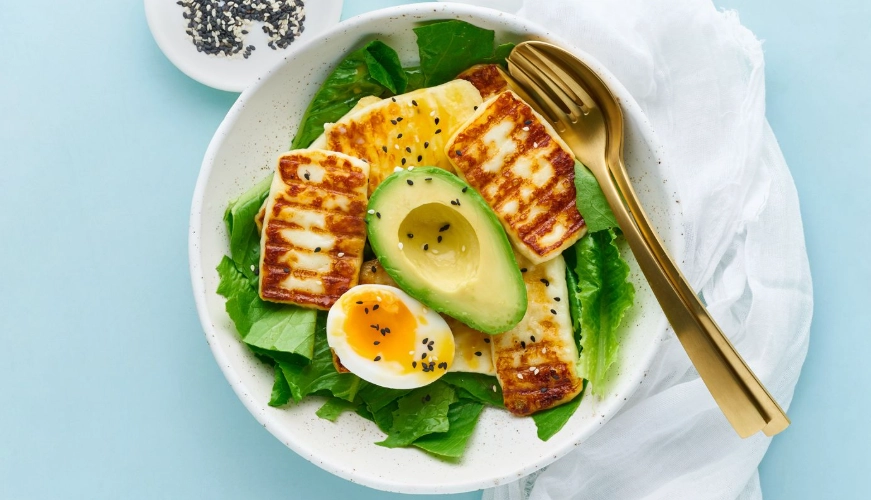
How to Beat the "Keto Flu" in 48 Hours
Let's tackle the elephant in the room. You might feel off for a few days. Here’s your tactical defense plan:
- Sodium: Add 1/4 tsp of salt to your water twice a day. Drink broth (chicken or beef) once or twice daily. Salt your food generously.
- Potassium: Eat an avocado every day. Use a salt substitute like Lite Salt (potassium chloride) in your broth or on food.
- Magnesium: Take a magnesium citrate or glycinate supplement (200-400 mg) before bed. It aids sleep and muscle cramps.
- Water: Drink more than you think you need. Your water needs increase on keto.
If you proactively do this from day one, you might skip the keto flu entirely. Most people feel the slump around day 3 or 4. Have your electrolyte tools ready before then.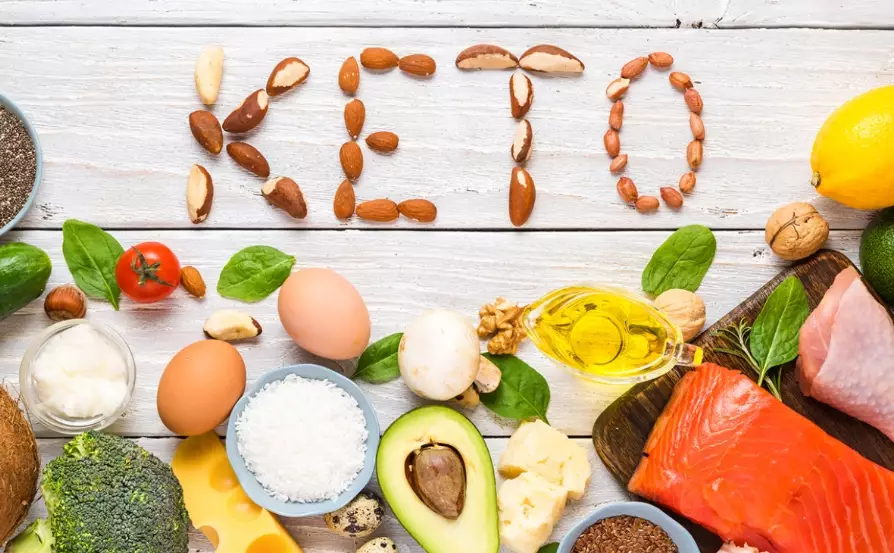
Your Keto Questions, Answered
 The biggest step is starting. Don't let perfect be the enemy of good. Your first week isn't about hitting perfect macros; it's about learning to eat differently and listening to your body. Clear out the carbs from your pantry, stock up on eggs and avocados, mix up some salty broth, and just begin. You've got this.
Reader Comments