If you're reading this, you're probably tired of being tired. You've tried counting sheep, drinking warm milk, maybe even scrolling through your phone hoping to bore yourself to sleep. Nothing sticks. The question "How can I cure my sleeplessness?" feels heavy because it's not just about tonight; it's about reclaiming your energy, mood, and health.
I've been there. After years of treating my own chronic insomnia and advising others, I can tell you this: curing sleeplessness is less about a single magic trick and more about rebuilding your relationship with sleep. It's a skill you can learn. Forget the quick fixes. Let's talk about what actually works, step by step.
What You'll Find in This Guide
- Understanding What's Really Keeping You Awake
- Building Your Sleep Hygiene Foundation
- Two Powerful Behavioral Tools You're Probably Not Using
- Optimizing Your Sleep Environment (Beyond Just a Dark Room)
- The Role of Diet and Supplements
- When It's Time to Seek Professional Help
- Your Sleeplessness Questions Answered
Understanding What's Really Keeping You Awake
First, let's stop calling it "just can't sleep." Sleeplessness, or insomnia, usually has identifiable drivers. The American Academy of Sleep Medicine defines it as persistent difficulty with sleep initiation, duration, or quality. The key word is persistent—it's a pattern.
The most common culprits are a tangled mix of:
- Hyperarousal: Your brain and body are stuck in "go" mode. Stress, anxiety, and even excitement about a next-day event can trigger this.
- Conditioned Arousal: This is a big one people miss. Your bed becomes associated with frustration and wakefulness instead of sleep. You lie down, and your brain clicks into "worry about not sleeping" mode.
- Poor Sleep Habits: Irregular bedtimes, daytime napping, and screen use right up until lights out.
- Underlying Issues: Sometimes it's a symptom of something else, like sleep apnea, restless legs syndrome, chronic pain, or certain medications.
Most advice online tackles the habits but glosses over the conditioned response. That's where we need to dig deeper.
Building Your Sleep Hygiene Foundation
Sleep hygiene isn't a cure-all, but it's the non-negotiable groundwork. Think of it like brushing your teeth for sleep. Skip it, and everything else becomes harder.
The Non-Negotiables of a Wind-Down Ritual
Your brain needs a signal that the day is over. A 60-minute pre-sleep buffer zone is ideal.
- Light is Your #1 Enemy: Blue light from screens suppresses melatonin. Use night mode filters, but better yet, put devices away 60 minutes before bed. Read a physical book (not a thriller!).
- Temperature Drop: Your core body temperature needs to fall to initiate sleep. A cool room (around 65°F or 18°C) helps. A warm bath 90 minutes before bed works because you cool down afterwards.
- Calm the Mind: Try 10 minutes of gentle stretching, deep breathing (4-7-8 technique), or listening to a boring podcast. Avoid solving problems or planning tomorrow.
Daytime Habits That Set the Stage
What you do all day matters just as much.
- Morning Light: Get bright light exposure within 30 minutes of waking. This resets your circadian rhythm. Go outside for 15 minutes.
- Exercise, But Timing Matters: Regular exercise promotes sleep, but vigorous activity too close to bedtime can be stimulating. Finish intense workouts at least 3 hours before bed.
- Caffeine & Alcohol: Caffeine's half-life is about 5-6 hours. No coffee after 2 PM is a good rule. Alcohol? It's a sedative that fragments sleep later in the night. It might help you fall asleep, but it worsens sleep quality.
Two Powerful Behavioral Tools You're Probably Not Using
This is where we move beyond basic hygiene. Cognitive Behavioral Therapy for Insomnia (CBT-I) is the gold-standard non-drug treatment, endorsed by organizations like the American College of Physicians. Two core components are game-changers.
1. Stimulus Control: Re-learning the Bed-Sleep Connection
This directly tackles conditioned arousal. The rule is simple but tough: the bed is only for sleep and sex. No reading, no TV, no worrying, no scrolling.
Here's the critical instruction most people get wrong: If you're not asleep within 20 minutes (don't watch the clock, just estimate), get out of bed. Go to another dimly lit room and do something boring until you feel sleepy. Then return to bed. Repeat as needed.
This breaks the association of bed with frustration. It's frustrating at first, but it works.
2. Sleep Restriction: Building Sleep Drive
This sounds counterintuitive but is incredibly effective for people who lie in bed awake for hours. You temporarily limit your time in bed to match your actual sleep time.
For example, if you report 8 hours in bed but only sleep 6, your initial time in bed might be set to 6.5 hours (e.g., 1:00 AM to 7:30 AM). This builds a stronger sleep drive, making sleep more consolidated. As efficiency improves, you gradually extend your time in bed. Important: This should be done under guidance or with careful research, as it can cause daytime sleepiness initially.
Optimizing Your Sleep Environment (Beyond Just a Dark Room)
Your bedroom should be a sleep cave. Let's get specific.
- Darkness: Blackout curtains are a must. Even small amounts of light can disrupt melatonin. Consider a comfortable sleep mask if you can't control all light.
- Quiet: White noise machines or apps can mask disruptive sounds like traffic or a partner's snoring. I use a simple fan.
- Comfort: Your mattress and pillow matter more than you think. There's no one "best" brand, but if your mattress is over 7-10 years old, it's likely not providing support. Don't cheap out here—it's an investment in daily health.
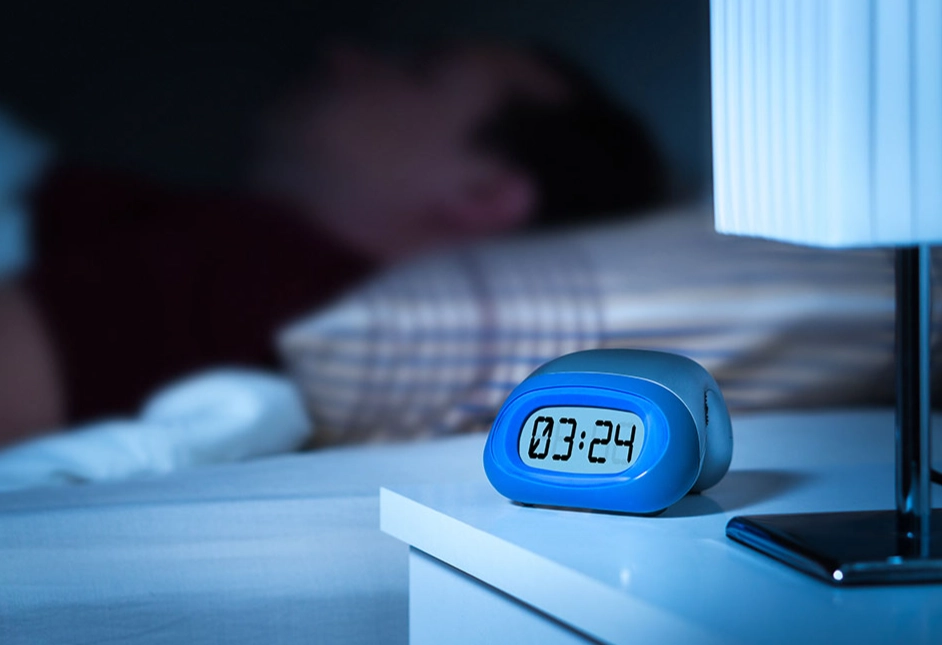
- Clock Removal: Turn your clock away. Clock-watching fuels anxiety and makes it harder to sleep.
The Role of Diet and Supplements
Food can support sleep, but it's not a primary cure.
- Evening Meals: Avoid large, heavy, or spicy meals close to bedtime. A light snack containing tryptophan (like a banana or a small handful of almonds) and complex carbs might help.
- Supplements - Proceed with Caution:
- Melatonin: Useful for jet lag or shifting circadian rhythms, not a general sleep pill. Start with a low dose (0.5-1 mg) 30-60 minutes before bed. More is not better.
- Magnesium Glycinate: Some find this relaxing. It may help with muscle relaxation and anxiety.
- Valerian Root, Chamomile: Mild sedative effects for some, but evidence is mixed.
My take: Supplements are a band-aid. They can help in the short term while you work on the behavioral strategies above, but they rarely solve chronic insomnia on their own.
When It's Time to Seek Professional Help
If you've diligently tried the strategies above for a month with little improvement, it's time to consult a professional. This isn't failure; it's smart.
- See Your Doctor: Rule out medical causes like sleep apnea (characterized by snoring and gasping) or restless legs.
- Find a CBT-I Therapist: A therapist trained in CBT-I can guide you through the techniques like sleep restriction and address the cognitive parts (anxious thoughts about sleep). The Society of Behavioral Sleep Medicine has provider directories.
- Sleep Studies: If a disorder like apnea is suspected, a sleep study (polysomnography) is the diagnostic tool.
Your Sleeplessness Questions Answered
 Curing sleeplessness is a process of untraining bad habits and retraining your brain. It requires patience and consistency, not magic. Start with one change—maybe enforcing a digital curfew or trying stimulus control for a week. Progress is rarely linear. Some nights will be better than others. The goal isn't perfect sleep every single night; it's building resilience and skills so that when sleep is elusive, it doesn't ruin your next day.
You can get your sleep back. It just takes a better plan than counting sheep.
Reader Comments