Japan redefines luxury. It's not just about thread counts and marble bathrooms—though you'll find plenty of those. It's about an experience that engages all your senses: the profound silence of a Zen garden, the precise artistry of a kaiseki meal, the almost imperceptible care of a ryokan attendant. Choosing the best luxury hotels in Japan means deciding what kind of luxury speaks to you. Is it a sky-high suite overlooking the neon pulse of Tokyo, or a centuries-old ryokan where your balcony hangs over a private river hot spring?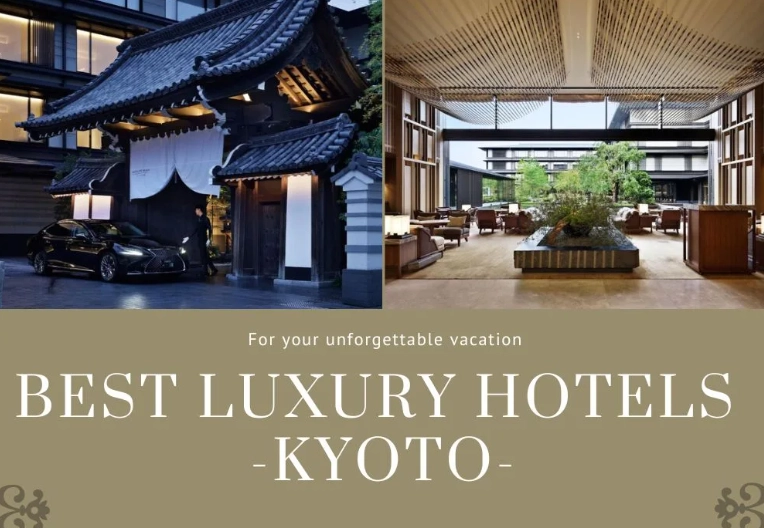
I've spent over a decade traveling Japan, from business trips where a flawless international hotel was a sanctuary, to personal pilgrimages seeking the most soul-stirring traditional inns. The biggest mistake I see? Travelers booking a famous-name hotel in Tokyo because it's "luxury," only to miss the transformative experience of a true ryokan elsewhere. Let's fix that.
Your Quick Guide to Luxury in Japan
What Makes a Hotel "Luxury" in Japan?
Forget the Western checklist for a second. In Japan, luxury hinges on two pillars: omotenashi and shitsurai.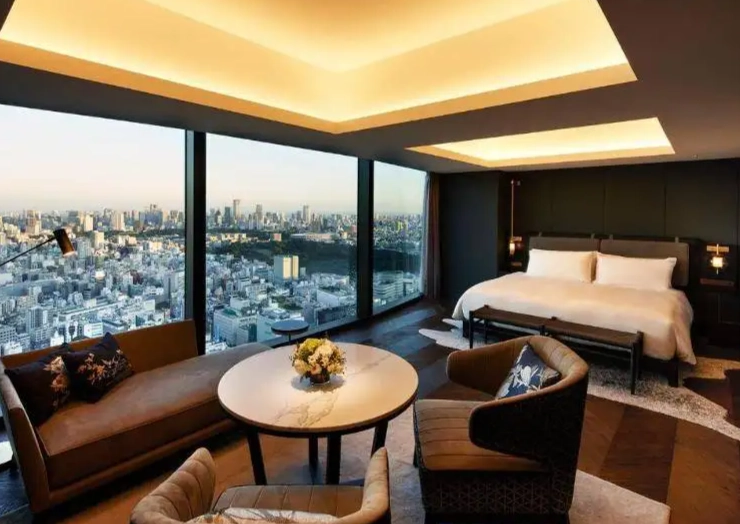
Omotenashi is the spirit of selfless, anticipatory hospitality. It's not servility; it's an art form. The staff doesn't just react to your requests—they quietly observe and fulfill needs you didn't even articulate. Your tea cup is never empty. Your slippers are always pointed the right way. It's profound respect made tangible.
Shitsurai refers to the composition and arrangement of the space. It's the deliberate placement of a ikebana flower arrangement to catch the morning light, the specific type of wood and tatami mat used in your room to evoke a season, the way the garden is framed by your window like a living painting. Every element is intentional.
This is why Japan's best luxury hotels fall into two distinct worlds: the ultra-modern, technologically sublime city hotels, and the deeply traditional, culturally immersive ryokans. The best trips often include a taste of both.
Top Luxury Hotel Picks by City & Experience
Here’s a breakdown of standout properties, not just ranked, but categorized by the experience they deliver. Prices are approximate per night for a standard double room, but remember, in Japan, especially at ryokans, you're almost always booking a package that includes exquisite multi-course dinners and breakfasts.
| Hotel & Location | Type & Vibe | Signature Experience | Price Guide (Per Night) |
|---|---|---|---|
| Aman Tokyo Chiyoda, Tokyo |
Urban Sanctuary / Modern | A 30m+ high atrium lobby with staggering city views, creating a serene, temple-like atmosphere in the heart of the financial district. Their spa and pool are legendary. | ¥150,000+ $$$$ |
| Hoshinoya Tokyo Chiyoda, Tokyo |
Urban Ryokan / Traditional-Modern Fusion | Feels like a ryokan stacked 17 stories high. You change into yukata robes in the lobby. The rooftop hot spring bath (onsen) is a true urban miracle. | ¥120,000+ $$$$ |
| Four Seasons Hotel Tokyo at Marunouchi Chiyoda, Tokyo |
Boutique International / Personalized | Only 57 rooms right above Tokyo Station. Unbeatable for Shinkansen access. The service is intensely personal—they remember everything. | ¥100,000+ $$$ |
| Hoshinoya Kyoto Arashiyama, Kyoto |
River Retreat / Ryokan | Accessible only by private boat along the Oi River. Each villa has a river-facing window you can open to hear the water. Utterly secluded and magical. | ¥140,000+ $$$$ |
| Suiran, a Luxury Collection Hotel Arashiyama, Kyoto |
Historic Luxury / Modern Ryokan | Occupies a former noble villa. Some rooms have private open-air baths overlooking the Katsura River. Less rigidly traditional than a pure ryokan. | ¥90,000+ $$$ |
| Gora Kadan Hakone |
Ultimate Ryokan / Classic | Formerly a retreat for the imperial family. The epitome of understated, flawless Japanese luxury. The rotenburo (outdoor bath) in a private garden is sublime. | ¥160,000+ $$$$ |
| Zaborin Niseko, Hokkaido |
Modern Ryokan / Onsen Focus | Every suite has two private, mineral-rich onsen baths (one indoor, one outdoor). Architecture is stark, modern, and blends into the snowy landscape. A foodie destination. | ¥130,000+ $$$$ |
The Ryokan Deep Dive: More Than Just a Hotel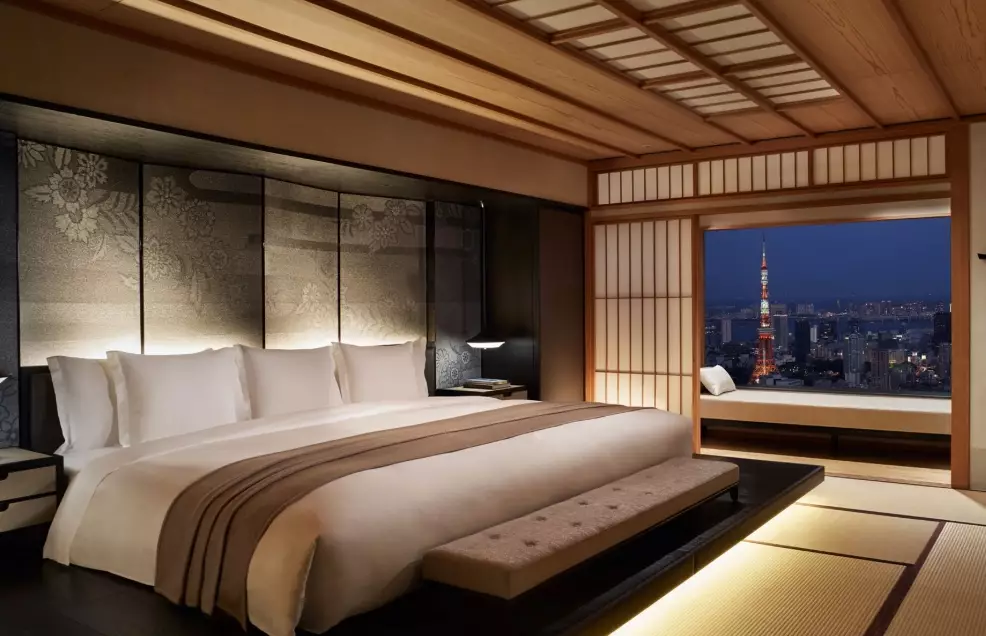
Staying at a top-tier ryokan like Tawaraya or Hiiragiya in Kyoto (both are legendary and incredibly exclusive) is a 24-hour cultural immersion. Your schedule revolves around the rituals: afternoon check-in with matcha and sweet, the elaborate kaiseki dinner served in your room, the futon laid out while you're at the bath, the exquisite breakfast. You wear yukata everywhere. It's not for everyone—some find the structure confining. But if you surrender to it, it's transformative.
How to Choose the Right Luxury Hotel for Your Trip
Don't just look at photos. Ask yourself these questions:
What's the trip's primary goal? Non-stop urban exploration? A Tokyo hotel with direct train/subway access is non-negotiable (look at the Four Seasons Marunouchi or the Palace Hotel Tokyo). Pure relaxation and culture? A destination ryokan in Hakone or Kyoto is worth the journey.
How important is culinary adventure? Many luxury ryokans have Michelin-starred in-house kitchens. The dinner is a centerpiece. If you're a foodie, prioritize the hotel's restaurant reputation. The Ritz-Carlton, Kyoto, for example, has a phenomenal tempura counter.
Do you need an onsen (hot spring)? Not all ryokans have natural, flowing onsen water. Some use heated tap water. If the mineral bath is key, verify it's a "tennen onsen" (natural hot spring). Hotels like Asaba in Shuzenji or Gora Kadan have legendary springs.
What's your tolerance for tradition? A true ryokan has shared public baths (often gender-separated), meals at set times, and minimal in-room technology. If that sounds stressful, opt for a "modern ryokan" or a luxury hotel with traditional elements, like Park Hyatt Kyoto.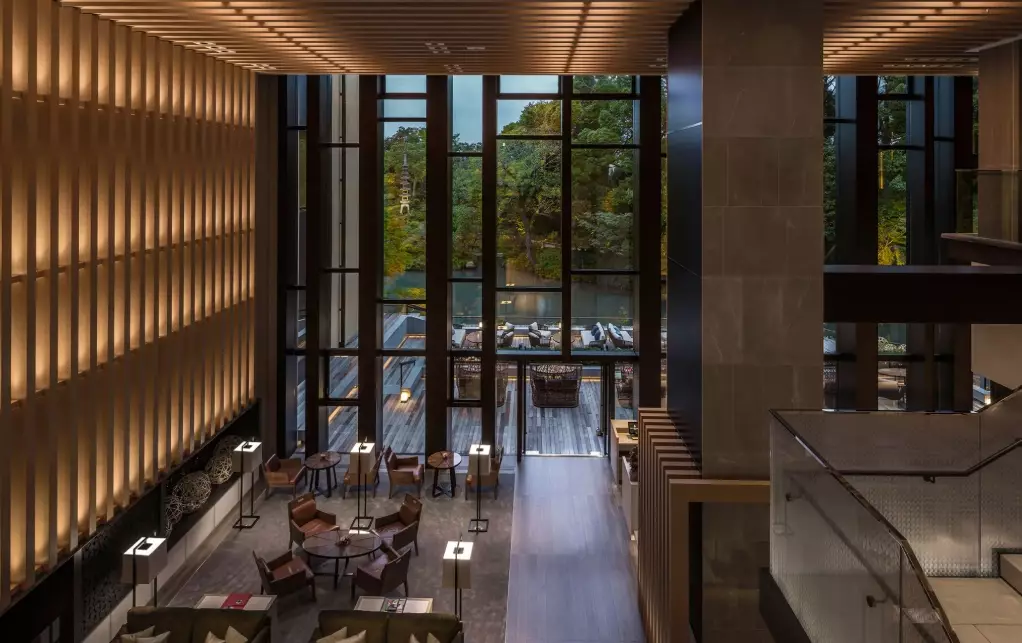
Insider Booking Tips & Tricks
Here’s where most people lose money or miss opportunities.
Book directly, always. Especially for ryokans. Third-party sites often can't access the best rooms, special packages (like kaiseki plans), or communicate dietary restrictions. The hotel's own website or a phone call yields better service and sometimes better rates. Many top ryokans still prefer fax or phone for initial inquiries—it's a quirk of the system.
Timing is everything. Peak seasons (cherry blossom, autumn leaves, Golden Week) require booking 6-12 months out for top properties. For better rates and availability, consider late autumn (November) or early spring (February, before the bloom).
Understand the pricing. The rate is almost always per person, based on double occupancy, and includes dinner and breakfast. It's not cheap, but you're paying for two gourmet meals and an experience.
Use a specialist travel agent. For complex multi-city trips involving several luxury properties, a good agent specializing in Japan (like InsideJapan Tours or Black Tomato) can secure rooms at places that seem "sold out" to the public. They know the concierge teams personally.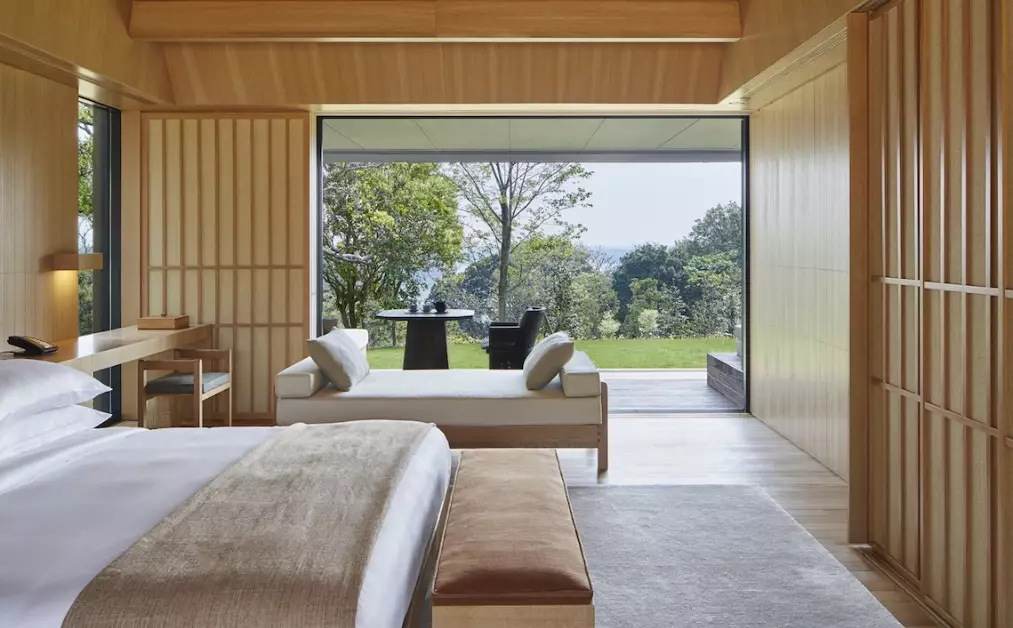
Luxury Beyond the Room: Unforgettable Experiences
What you do matters as much as where you sleep. The best hotels are your gateway to these moments:
• Private Geisha Entertainment: Kyoto hotels like the Hyatt Regency can arrange private, authentic geisha (geiko) and maiko performances in exclusive tea houses, an experience nearly impossible to arrange independently.
• Early-Morning Temple Access: Some hotels, through their relationships, can get you into temples like Kyoto's Kodaiji or Tokyo's Sensoji before the crowds hit—a completely different atmosphere.
• Sake or Whisky Tastings with Masters: Concierges at places like the Peninsula Tokyo or Mandarin Oriental, Tokyo can arrange private visits to boutique breweries or distilleries.
Just ask. The concierge is your most underutilized resource. Their job is to make the impossible happen.
Your Japan Luxury Hotel Questions, Answered
Absolutely. First, many top ryokans now offer rooms with private open-air baths ("kashikiri rotenburo"). When booking, filter for this feature. Second, the public baths are almost always gender-separated, and the ritual is very respectful—you wash and rinse thoroughly at a shower station before entering the shared bath. It's a social norm, not a free-for-all. Most first-timers feel a initial hesitation that melts away within minutes. If you're truly opposed, many modern ryokans and hotels have stunning private onsen options.
Proximity to a specific train line, not just "Tokyo." If you're planning day trips to Kamakura or Yokohama, a hotel near Tokyo Station (like the Four Seasons Marunouchi or Palace Hotel) gives you direct Shinkansen access. If your focus is shopping and nightlife in Shinjuku or Shibuya, a hotel there (like the Park Hyatt Tokyo or Cerulean Tower) saves you 30+ minutes of commuting each way. Look at a subway map, not just a city map.
Do not tip. Seriously. Tipping is not part of the culture and can cause confusion or embarrassment. The price you pay includes the omotenashi. The appropriate way to show appreciation is with a sincere "arigatou gozaimasu" (thank you) and perhaps a small, nicely wrapped gift from your home country if you've built a rapport with a particular staff member. At checkout, a graceful bow is more valued than cash.
Beyond loyalty programs, the most effective hack is polite, direct communication. When booking, a simple note (via email or the special requests field) stating you are celebrating a special occasion can work wonders. Japanese hospitality loves a reason to excel. Also, consider booking the hotel's lowest room category but through a reputable travel agent who has a relationship with them—they often have a small allotment of rooms earmarked for potential upgrades. Simply demanding an upgrade at check-in rarely works.
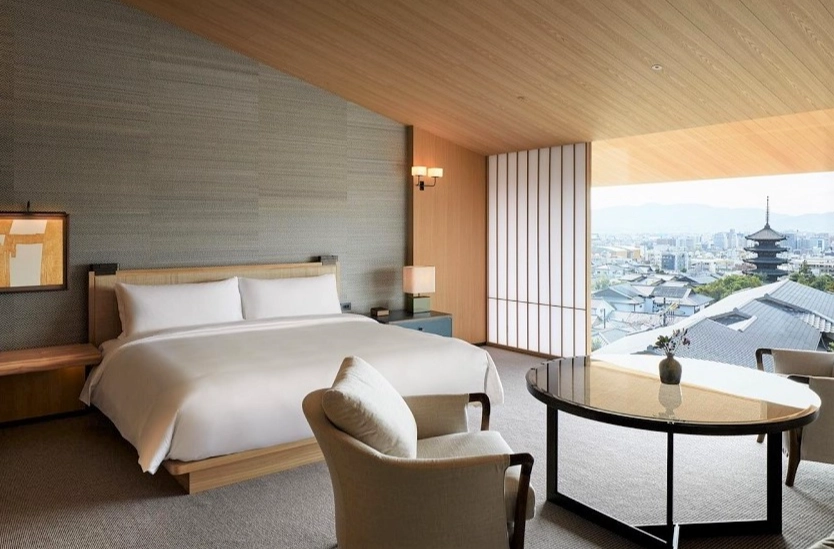 Choosing your luxury base in Japan is the first step in crafting an unforgettable journey. Whether you land on the serene height of Aman Tokyo or the riverine quiet of Hoshinoya Kyoto, remember you're not just booking a bed. You're choosing the lens through which you'll experience this incredible country. Prioritize the experience that calls to you, book early and directly, and prepare to be treated not just as a guest, but as an honored visitor.
Reader Comments