You're thinking about getting an Orange Persian cat, or maybe you already have one and wonder why it acts the way it does. Let's cut to the chase: Orange Persians aren't just fluffy decorations. Their personality mixes affection with a stubborn streak, and if you don't get it right, things can get messy. I've owned Persians for over a decade, and my orange guy, Marmalade, taught me lessons no book ever did. This guide dives deep into Orange Persian cat personality traits, busts myths, and gives you practical tips to handle their quirks.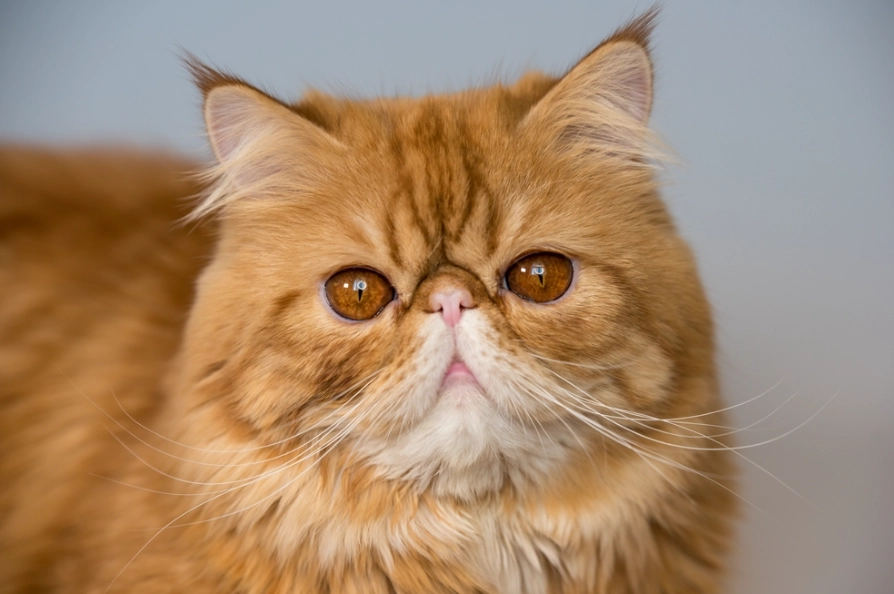
Jump to What Matters
Core Personality Traits of Orange Persian Cats
Orange Persian cats share the classic Persian calmness, but their color often hints at a bolder side. It's not just folklore; many breeders and owners notice subtle differences. Here's the breakdown.
The Affectionate Companion
Orange Persians love attention. They'll follow you around, not in a needy way, but like a quiet shadow. Marmalade sits on my desk every morning, just watching. He doesn't meow much—Persians are generally quiet—but he purrs loudly when petted. This affection makes them great for calm households. They bond deeply with one or two people. If you're away all day, an Orange Persian might get lonely. I learned that the hard way when Marmalade started hiding after I took a busy week at work.
Calm and Gentle Nature
These cats are couch potatoes. They prefer lounging over jumping on shelves. That calmness is perfect for apartments or homes with older kids. But don't mistake it for laziness. Orange Persians have bursts of playfulness, usually at dawn or dusk. A feather wand can keep them engaged. Their gentle nature means they rarely scratch intentionally, but their long fur requires regular grooming to avoid mats.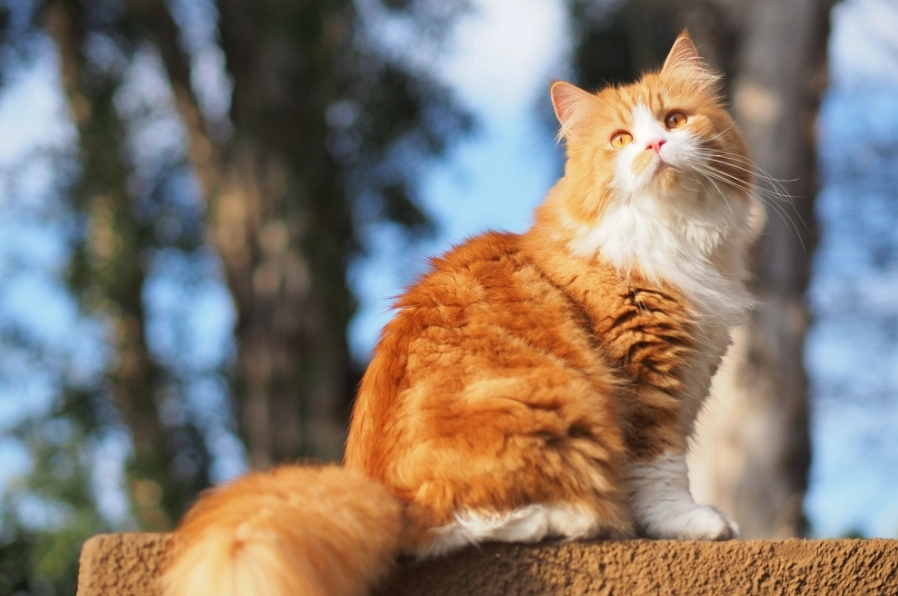
Potential Stubbornness
Here's where things get interesting. Orange Persians can be stubborn. If they don't want to move, they won't. I've seen Marmalade plant himself in a doorway, ignoring calls. This trait is often overlooked by new owners. It's not aggression; it's a strong will. You need patience, not force. Use treats to coax them, and establish routines early.
Let's compare traits across Persian colors. This table sums up what I've observed and gathered from sources like The International Cat Association.
| Color | Affection Level | Activity Level | Common Quirks |
|---|---|---|---|
| Orange Persian | High | Low to Moderate | Stubborn, vocal when hungry |
| White Persian | Moderate | Low | Reserved, sensitive to noise |
| Black Persian | High | Moderate | Playful, independent streaks |
Notice how Orange Persians stand out? Their affection is coupled with that stubbornness. It's a mix that requires understanding.
How to Care for Your Orange Persian Cat
Personality shapes care. An Orange Persian's traits mean specific needs. Skip this, and you'll face behavior issues.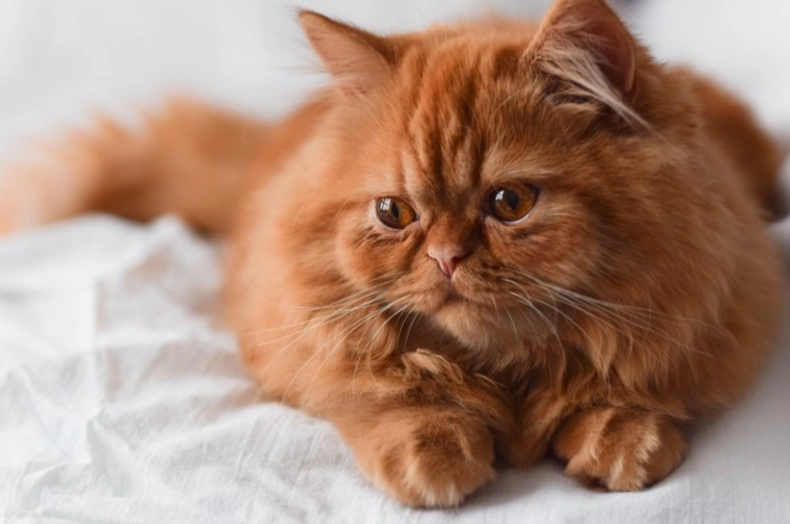
Grooming Essentials
Grooming isn't optional. Their long fur mats easily, causing discomfort and even health problems. Brush daily with a stainless-steel comb. I use a routine: mornings for quick brushes, weekends for deep sessions. Marmalade hated it at first, but now he purrs because I pair it with treats. Baths? Every 4-6 weeks with cat-safe shampoo. Neglect grooming, and you'll see mats that require vet visits—a costly mistake.
Diet and Nutrition
Orange Persians tend to gain weight due to low activity. Measure food portions. High-quality wet food helps with hydration, as Persians are prone to kidney issues. Marmalade gets a mix of wet and dry food, tailored to his age. Avoid free-feeding; it leads to obesity. Check with your vet for specifics, but generally, 20-30 calories per pound daily works.
Health Considerations
Persians have flat faces, leading to breathing problems and eye discharge. Wipe their eyes daily with a damp cloth. Dental care is crucial—brush their teeth weekly. I learned this after Marmalade needed a dental cleaning at age 5. Regular vet check-ups catch issues early. Common problems include polycystic kidney disease (PKD); ask breeders for health clearances.
Pro Tip: Create a grooming station with all supplies handy. It reduces stress for both you and your cat. I keep combs, treats, and wipes in a basket by the couch.
Common Misconceptions and Expert Tips
Many blogs repeat the same things. Let's go deeper with insights from my experience.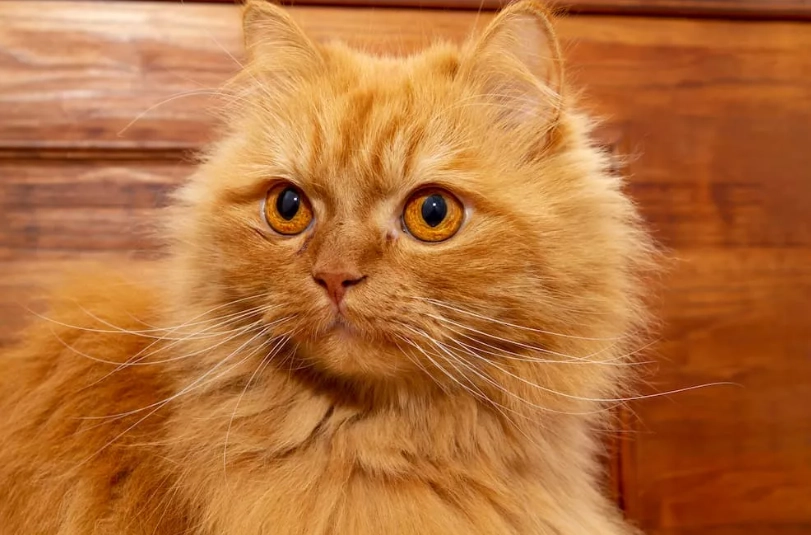
Misconception 1: Orange Persians are always lazy. Not true. They have energy spikes. Ignore this, and they might develop destructive habits. Schedule play sessions twice a day. Use interactive toys like puzzle feeders to stimulate their minds.
Misconception 2: Their color doesn't affect personality. I disagree. While science is limited, anecdotal evidence from breeders suggests orange cats, including Persians, are often more outgoing. A study by the University of California, Berkeley, noted color-linked behavior in cats, though it's not definitive. For Persians, the orange hue might amplify their social side.
Expert Tip: Handle stubbornness with positive reinforcement. Never yell. Marmalade once refused to use a new litter box. I moved it slowly to the preferred spot over days, and he adapted. Consistency is key.
Here's a scenario: Imagine bringing home an Orange Persian kitten. Day one, it hides. Most owners panic. Instead, set up a quiet room with food, water, and a litter box. Let the cat explore at its pace. Orange Persians warm up slowly but form strong bonds. I did this with Marmalade, and by week two, he was sleeping on my bed.
Another thing: socialization. Introduce them to gentle pets and sounds early. It prevents skittishness later. My neighbor's Orange Persian grew up with kids and now tolerates their noise better than mine did.
Frequently Asked Questions
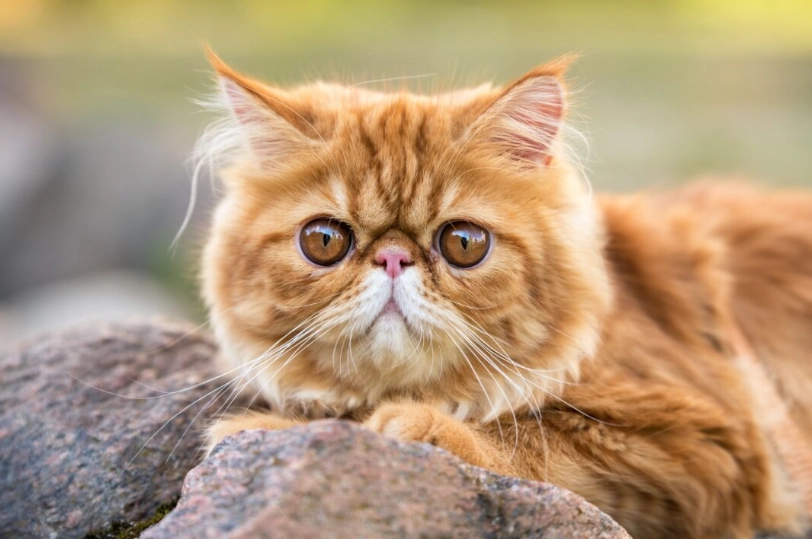 Wrapping up, Orange Persian cat personality traits blend sweetness with a strong will. They're not for everyone—if you want a low-maintenance pet, look elsewhere. But for those ready to commit, they offer companionship like no other. Remember, understanding their quirks leads to a happier home. Marmalade still surprises me after years, and that's the joy of it.
Reader Comments