Let's cut to the chase: most spaghetti carbonara recipes online are wrong. They add cream, use bacon, and end up with a gloppy mess. I learned the real deal from a chef in Rome, and after messing it up myself a few times, I've nailed down the authentic method. This recipe uses just four core ingredients—guanciale, pecorino romano, eggs, and black pepper—to create a creamy, silky sauce that clings to every strand of pasta. No shortcuts, no compromises.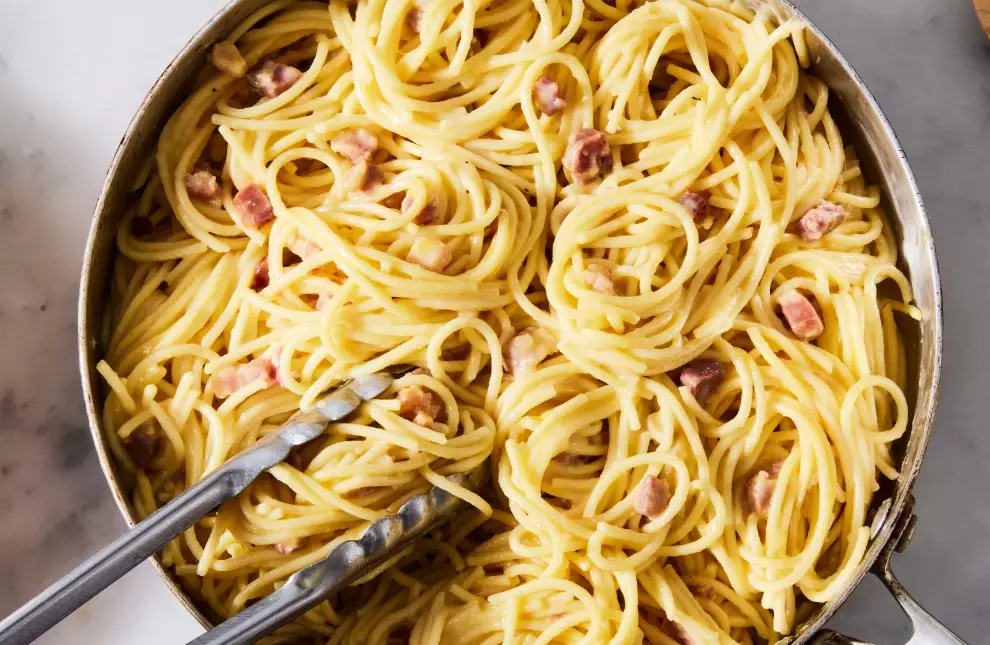
In This Guide
What Makes a Carbonara Truly Italian?
Carbonara isn't just a pasta dish; it's a Roman tradition. The name might come from "carbone" (coal), referring to the black pepper, or from the carbonari (coal miners). Who knows? But the essence is simple: it's a peasant food turned iconic. Authentic carbonara relies on emulsion—whisking eggs, cheese, and pasta water to create a sauce without dairy cream. I've seen tourists in Italy get served carbonara with cream, and it breaks my heart. That's not carbonara; it's a cheat.
Here's the kicker: the sauce should be creamy, not curdled. The eggs cook gently from the heat of the pasta, not from direct stove heat. If you're scrambling eggs, you've gone too far. This delicate balance is what separates a home cook from a pro.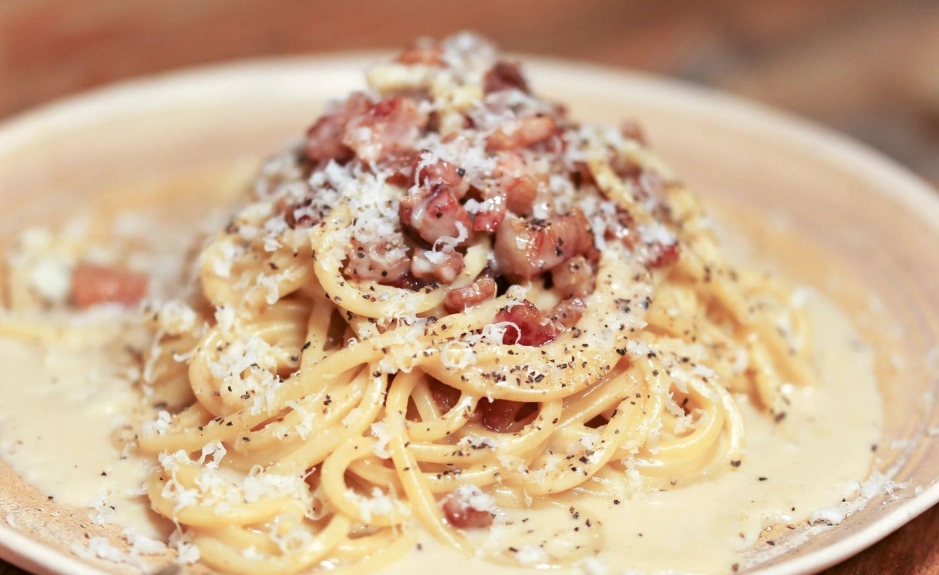
The Non-Negotiable Ingredients for Perfect Carbonara
You can't swap these out and call it carbonara. Seriously.
Guanciale: This is cured pork jowl, not bacon or pancetta. It's fattier, richer, and has a unique flavor that melts into the sauce. I once tried making carbonara with bacon, and it tasted like breakfast pasta—good, but not Italian. Find guanciale at Italian delis or online; it's worth the hunt.
Pecorino Romano: A salty, sharp sheep's milk cheese. Parmigiano-Reggiano is sometimes mixed in, but pecorino is traditional. Don't use pre-grated stuff—it has anti-caking agents that ruin the sauce. Grate it fresh.
Eggs: Use whole eggs, or a mix of whole eggs and yolks for extra richness. Fresh, room-temperature eggs blend better.
Black Pepper: Freshly ground, coarse. It adds heat and speckles that mimic coal dust.
Pasta: Spaghetti is classic, but rigatoni or bucatini work too. Use bronze-die pasta for a rough surface that holds sauce.
| Ingredient | Why It Matters | Substitute (If Desperate) |
|---|---|---|
| Guanciale | Provides fat and umami; crisp texture | Pancetta (not bacon) |
| Pecorino Romano | Salty, creamy base for sauce | Parmigiano-Reggiano (less authentic) |
| Eggs | Emulsifies into sauce; no cream needed | None—don't skip! |
| Black Pepper | Adds spice and authenticity | White pepper (milder) |
I learned this the hard way: using bacon makes the sauce greasy, and cream masks the egg-cheese emulsion. Stick to the basics.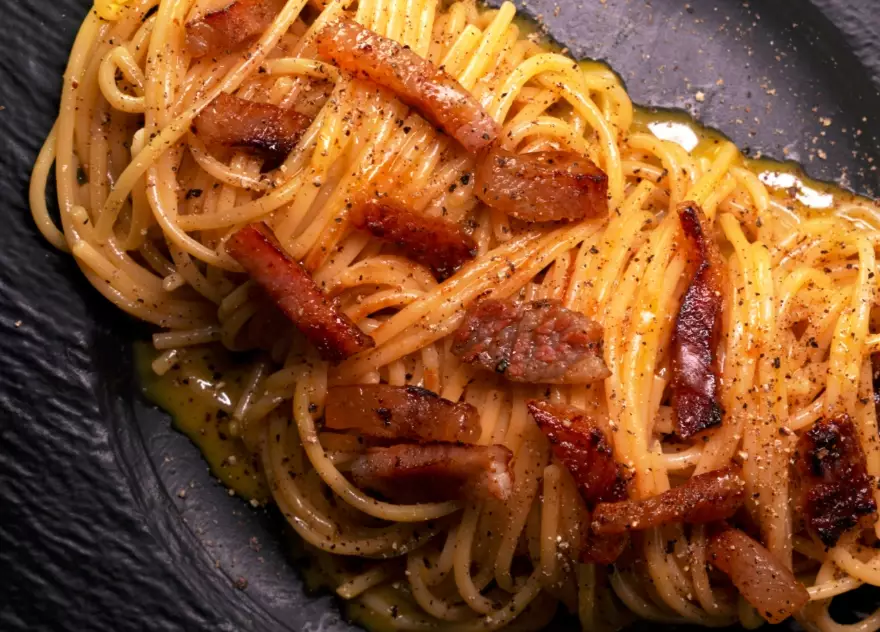
How to Make Spaghetti Carbonara: A Step-by-Step Walkthrough
This isn't a recipe you rush. Take your time, and follow these steps like a ritual.
Step 1: Prep Your Ingredients
Cut 150g of guanciale into small cubes—about 1/4 inch thick. Grate 100g of pecorino romano finely. Crack 3 whole eggs and 1 extra yolk into a bowl, add most of the cheese (save some for topping), and a generous amount of black pepper. Whisk until smooth. No salt yet; the guanciale and cheese are salty.
Step 2: Cook the Guanciale
In a large skillet, cook the guanciale over medium-low heat. No oil needed—it renders its own fat. Cook until crispy but not burnt, about 8-10 minutes. Remove from heat and let it cool slightly. That fat is liquid gold; save it in the pan.
Step 3: Boil the Pasta
Bring a pot of salted water to a boil. Add 400g of spaghetti and cook until al dente—usually 1 minute less than package says. Reserve about a cup of pasta water before draining. This starchy water is crucial for the sauce.
Step 4: Combine Everything Off the Heat
Here's where magic happens. Drain the pasta and add it directly to the skillet with guanciale and fat. Toss to coat. Remove the skillet from the stove—yes, off the heat. Quickly pour the egg-cheese mixture over the pasta, tossing vigorously. Add splashes of reserved pasta water until the sauce becomes creamy and coats the pasta. The residual heat cooks the eggs gently without scrambling.
If the sauce looks thin, keep tossing; it'll thicken. Too thick? More pasta water. Serve immediately with extra cheese and pepper.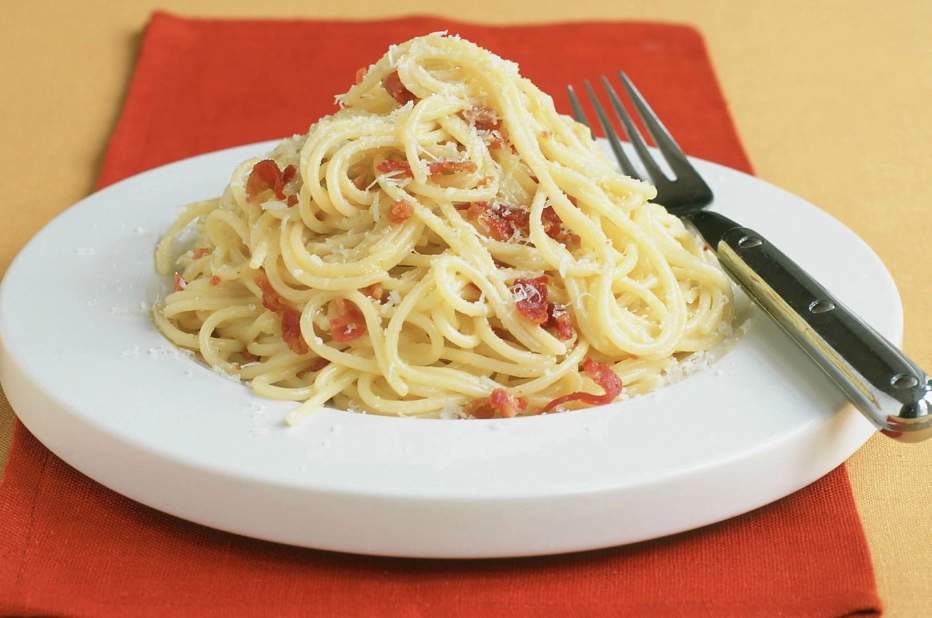
The Carbonara Pitfalls: Mistakes You're Probably Making
I've taught this recipe to friends, and they always stumble on the same things.
Adding cream: This is the biggest sin. Cream makes the sauce heavy and masks the delicate egg flavor. Authentic carbonara doesn't need it—the emulsion from eggs and cheese is enough. If a recipe calls for cream, close the tab.
Cooking the eggs on heat: Never put the skillet back on the stove after adding eggs. You'll get scrambled eggs pasta. The pasta should be hot enough to cook the sauce through tossing.
Using cold eggs: Room-temperature eggs blend better and reduce the risk of curdling. Take them out of the fridge 30 minutes before.
Skipping pasta water: That starchy water helps emulsify the sauce and adjust consistency. Without it, the sauce can be clumpy.
Overcooking the guanciale: It should be crispy, not charred. Low and slow is key.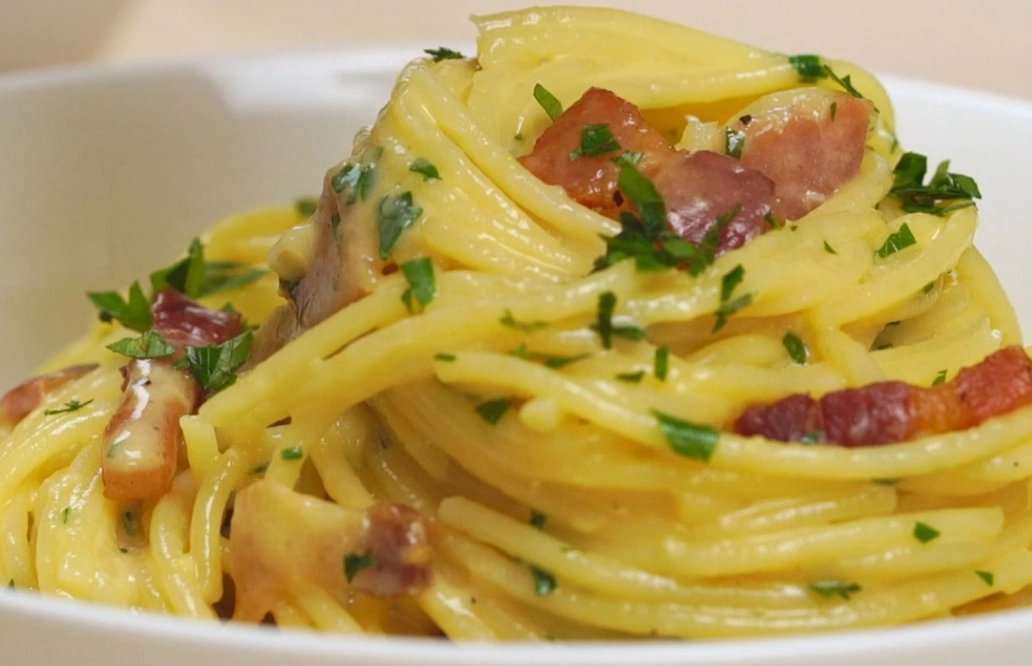
Pro Tips from an Italian Kitchen
After making this dozens of times, here are my insider secrets.
- Use a mixing bowl: Instead of combining in the skillet, some chefs mix the pasta and sauce in a separate bowl to control temperature better. I prefer the skillet for fewer dishes, but a bowl gives more control.
- Toast the pepper: Lightly toast whole black peppercorns in a dry pan before grinding. It enhances the aroma.
- Serve immediately: Carbonara waits for no one. It starts to set as it cools, so eat it hot.
- Experiment with pasta shapes: While spaghetti is classic, bucatini (hollow spaghetti) holds sauce beautifully. I tried it once, and it was a game-changer.
One time, I added a splash of white wine to the guanciale fat—it added depth, but purists would frown. Do it if you're feeling adventurous.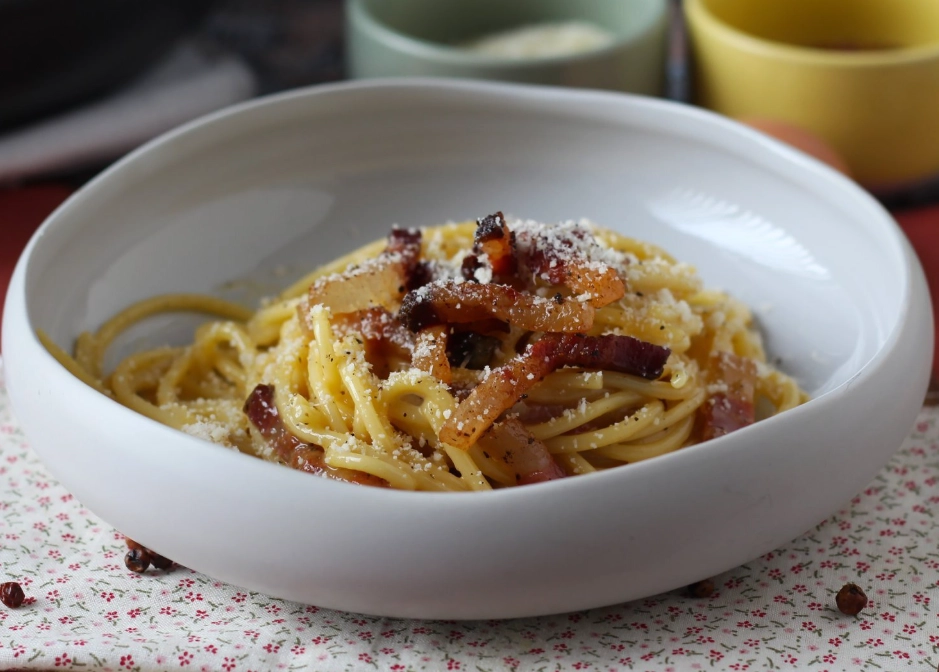
Reader Comments