Tokushima, on the eastern coast of Shikoku, often gets overshadowed by its more famous neighbors like Kagawa or Ehime. That’s a mistake. For anyone asking what to eat in Tokushima Japan, the answer is a thrilling dive into a food culture defined by a unique citrus fruit, a distinct style of ramen, and some of Japan’s best seafood, all shaped by the whirlpools of the Naruto Strait and the lush mountains of the interior. Forget the generic sushi lists. Eating here is about bold, regional flavors you won’t find anywhere else.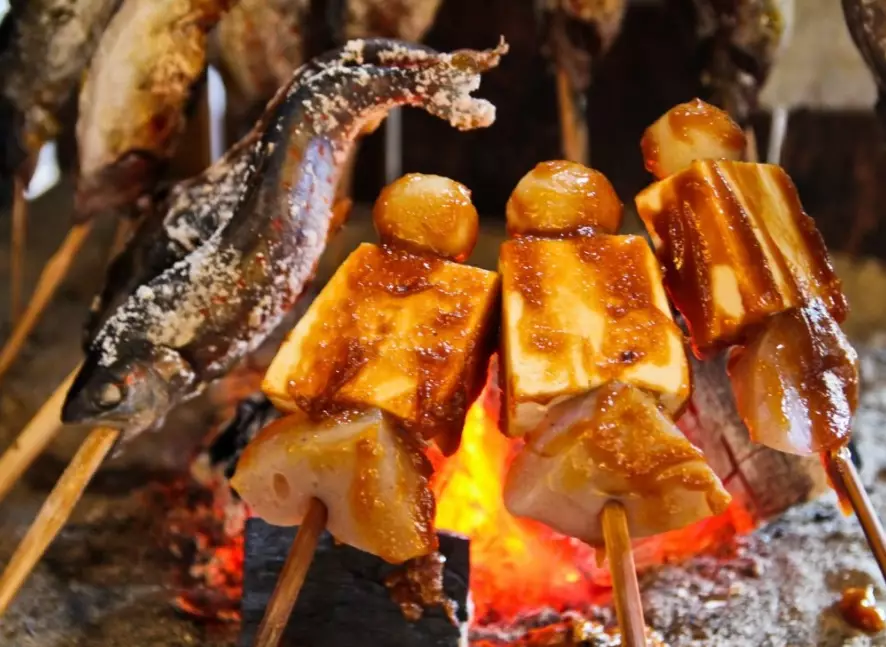
I spent a week driving around the prefecture, eating at everything from back-alley ramen joints to seaside shacks. The common thread? An incredible depth of flavor that comes from hyper-local ingredients. This guide isn’t just a list; it’s a roadmap to experiencing Tokushima through its food, with specific spots, prices, and the little details that make a meal memorable.
Your Quick Guide to Tokushima’s Food Scene
The One Essential Tokushima Dish You Must Try
If you only eat one thing in Tokushima, make it Tokushima Ramen. But calling it just "ramen" is like calling champagne sparkling wine. It’s a specific, glorious experience.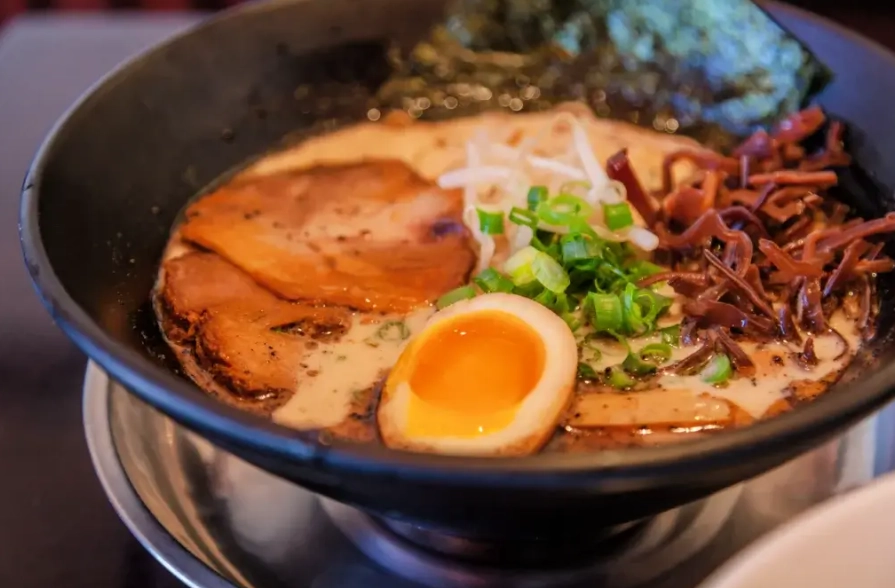
Most Japanese ramen broths fall into categories: tonkotsu (pork bone), shoyu (soy sauce), miso. Tokushima ramen is its own beast. The base is a rich, dark broth made from pork bones and dashi (stock) from local katsuo (bonito). Then, crucially, it’s seasoned with dark soy sauce, giving it a deep, almost stew-like color and a savory, slightly sweet umami punch. It’s served with thin, straight noodles that hold the broth perfectly.
Now, here’s the local secret that most travel blogs gloss over: the topping style. Your bowl comes with simmered pork belly (buta no kakuni), a raw egg (crack it in yourself), and a heap of finely chopped negi (green onion). But the real game-changer is the rice on the side. Locals don’t just eat the ramen and then the rice. They do what’s called "ra-me-shi" – they pour some of the remaining broth over the white rice, creating an incredible savory porridge as a second act. It’s the proper, satisfying way to finish the meal.
A word of caution: Some places offer a "white" (shiro) broth version, which is lighter and salt-based. It’s good, but for the authentic Tokushima food experience, you want the classic "black" (kuro) soy sauce broth. Don’t get sidetracked.
Beyond Ramen: Tokushima's Signature Foods & Ingredients
Tokushima’s culinary identity is built on a few superstar ingredients. Once you know them, you’ll start spotting them everywhere.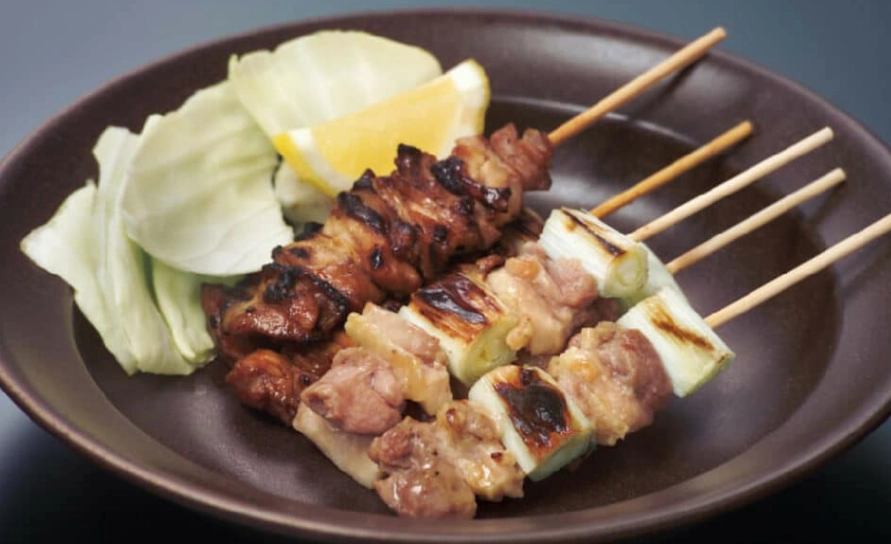
Sudachi: The Tiny Citrus Powerhouse
Forget yuzu. In Tokushima, sudachi is king. This small, green citrus is tarter and more aromatic than a lime. It’s not eaten whole; a wedge is squeezed over everything – grilled fish (especially sawara, Spanish mackerel), hot pots, noodles, even beer. The scent is instantly refreshing. Visit from August to October for the peak season. You’ll find sudachi juice, sudachi vinegar, sudachi pepper – it’s a local obsession for good reason.
Naruto Strait Seafood
The whirlpools aren’t just a sight; they churn up nutrients, creating an ideal environment for seafood. The two stars are:
- 鳴門鯛 (Naruto Tai): Sea bream farmed in the fast currents, giving its flesh a firm texture and clean taste. Best eaten as sashimi or tai meshi (sea bream rice).
- わかめ (Wakame): Tokushima produces some of Japan’s finest seaweed. It’s tender, sweet, and served fresh in salads or soups, not the dried stuff you’re used to.
阿波尾鶏 (Awaji Chicken)
This free-range chicken, named after the old province (Awa), is renowned for its lean yet flavorful meat. You’ll find it as succulent yakitori (skewers), in hearty mizutaki hot pots, or as karaage (Japanese fried chicken). The texture is noticeably superior.
Where to Eat: A Practical Restaurant & Market Guide
Here are specific spots where you can try these Tokushima foods. I’ve focused on places with consistent quality and local vibes.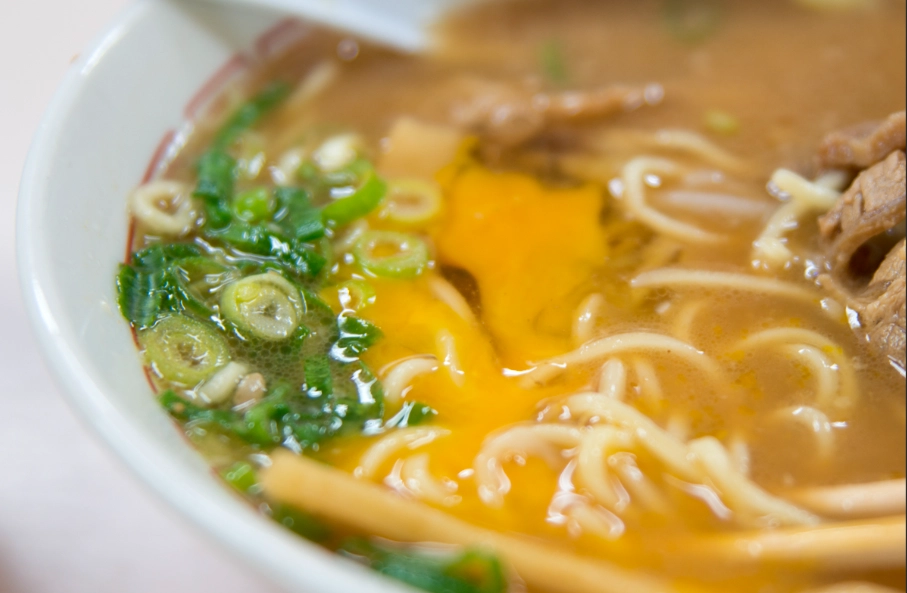
Top Spots for Tokushima Ramen in Tokushima City
| Restaurant Name | Address / Landmark | What to Order & Price | Hours & Notes |
|---|---|---|---|
| 麺王 (Men-Oh) | Near Tokushima Station’s east exit. Look for the line. | Classic Kuro Ramen with pork belly and egg. ~850 JPY. Get the small rice (100 JPY) for ra-me-shi. | 11:00 - 24:00. Often has a queue at peak meal times. Counter seating only. Cash only. |
| いのたに (Inotani) | Shinmachi area, a short walk from the station. | Their signature ramen. Also try their gyoza, which locals swear by. Bowl ~800 JPY. | 11:00 - 15:00, 17:30 - 21:00. Closed Wednesdays. More spacious, good for groups. |
For Fresh Seafood & Local Ingredients
- Awadori no Sato: (Near Awaodori Kaikan) The best place to try Awaji chicken in its many forms. Their tebasaki (chicken wing) skewers and chicken sashimi (yes, it’s safe and delicious) are highlights. Set meals from 1,500 JPY.
- Uzu no Oka: (On the Naruto Park side, facing the whirlpools) This is where you go for Naruto Tai. Their Tai Chazuke (sea bream over rice with tea broth) is a masterpiece, letting the fish’s quality shine. Expect to pay 2,000-3,000 JPY for a set meal. The view is a bonus.
- Awa Odori Kaikan (8th Floor Food Court): If you’re overwhelmed, head here. Several small stalls serve local specialties like Tokushima ramen, sudachi somen, and inaka sushi (country-style sushi). It’s efficient, authentic, and perfect for a quick, varied tasting. Dishes from 700 JPY.
Markets for the Adventurous Eater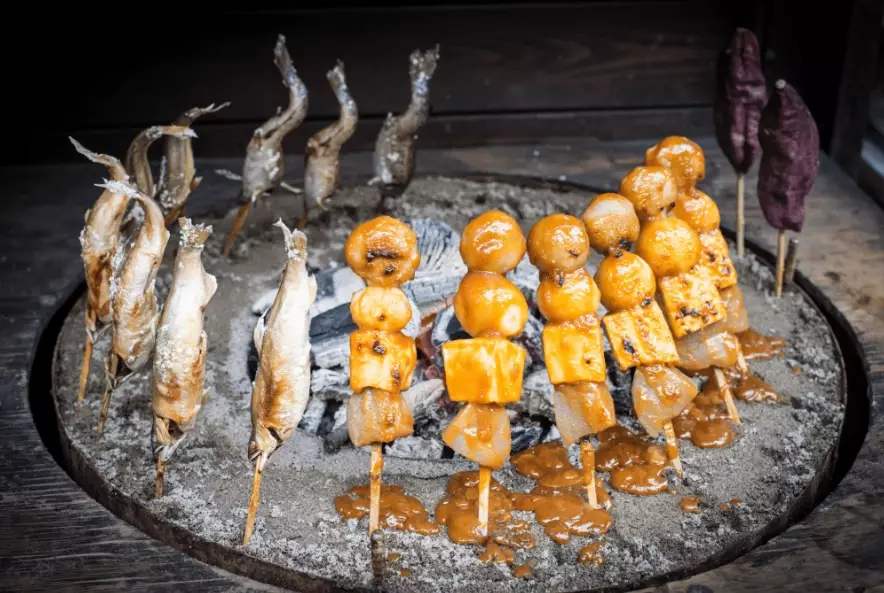
Aibahama Morning Market (Tokushima City): Happens on Sundays. Less touristy than others, it’s where locals buy fresh veggies, pickles, and homemade snacks. You can find fresh sudachi in season and chat with producers.
Naruto Fresh Park Uzushio: More than a market, it’s a complex with restaurants and shops selling local products. This is your best one-stop shop for souvenirs like sudachi products, Naruto wakame, and awa shochu (local spirit).
Planning Your Tokushima Food Itinerary
How you eat depends on how much time you have. Here’s a realistic plan.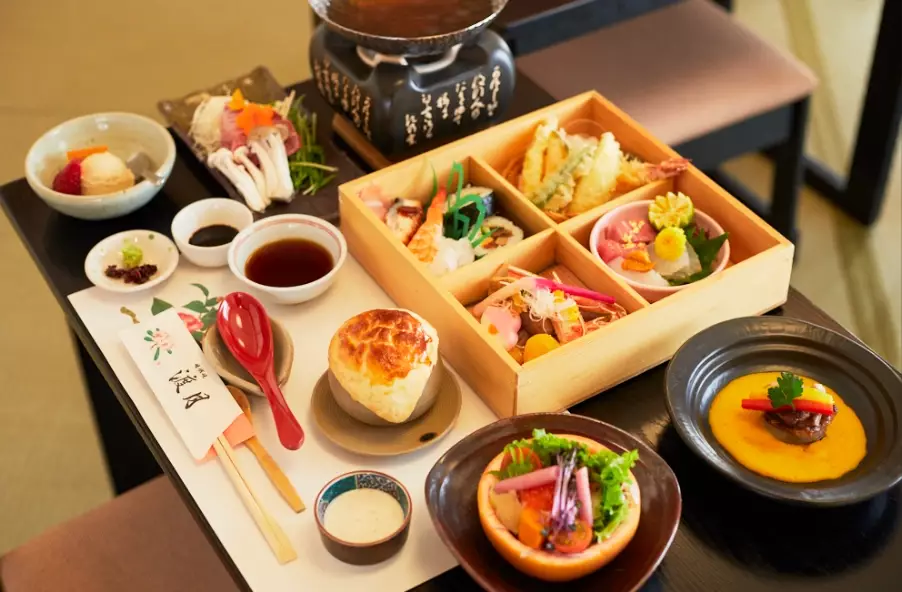
If you have one day: Base yourself in Tokushima City. Start with a bowl of black Tokushima ramen at Men-Oh for lunch. In the afternoon, visit the Awa Odori Kaikan museum and have a snack or early dinner at its food court to sample multiple items. For dinner, head to Awadori no Sato for a deep dive into Awaji chicken. Squeeze sudachi on everything.
If you have a weekend (2-3 days): Day 1: Follow the one-day plan in Tokushima City. Day 2: Rent a car (highly recommended). Drive to Naruto. See the whirlpools, then have a luxurious Naruto Tai lunch at Uzu no Oka. On the way back, stop at Naruto Fresh Park Uzushio for souvenirs. For dinner, find a local izakaya and order sawara no shioyaki (salt-grilled mackerel) with sudachi. Day 3: Head into the Iya Valley. The food here is hearty mountain cuisine. Try soba (buckwheat noodles), dekomawashi (miso-glazed veggies and tofu on a stick), and ayu (sweetfish) from the clear rivers.
Public transport exists but is infrequent outside the city. A rental car unlocks the best food experiences in Tokushima’s countryside.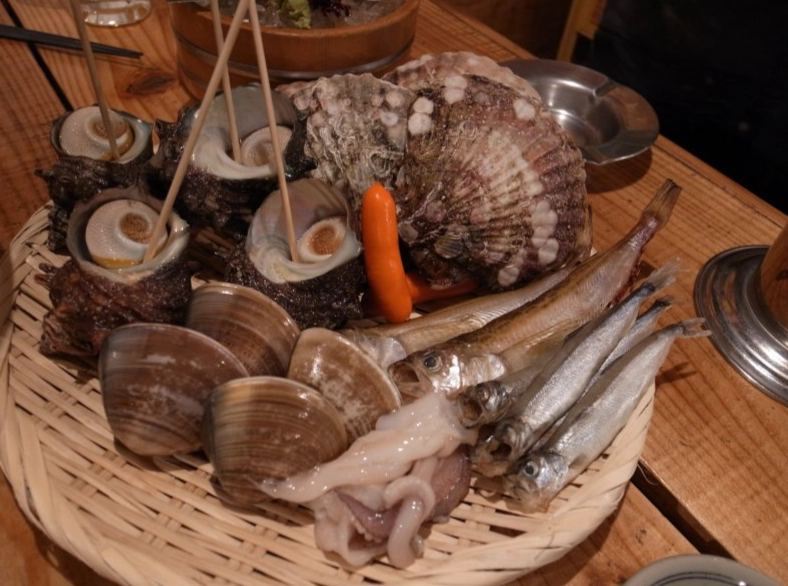
Your Tokushima Food Questions Answered
Is Tokushima ramen the same as other Japanese ramen?
Not at all. The dark soy sauce-based broth (kuro-dashi) is unique to the prefecture. It’s richer and more savory than Tokyo-style shoyu ramen and lacks the creamy thickness of Hakata tonkotsu. The customary raw egg and side of rice for "ra-me-shi" are also defining local practices.
I’m vegetarian. Will I find anything to eat in Tokushima?
It’s challenging, as dashi (fish stock) is ubiquitous. However, you have options. Buddhist-inspired shojin ryori (temple cuisine) can be found, especially in the Iya Valley area around Oboke/Koboke. In cities, look for restaurants serving udon or soba – ask for "dashi nuki" (no dashi) and "yasai dake" (vegetables only). The markets are great for fresh fruit, vegetables, and pickles. Always clarify your dietary needs.
What’s the best time of year for food in Tokushima?
Late summer to autumn (August-November) is peak. Sudachi is in season, seafood is bountiful, and it’s harvest time for many vegetables. Winter is great for hot pots featuring Awaji chicken and local veggies. Spring offers fresh bamboo shoots and wild mountain plants (sansai). There’s no bad time, but autumn offers the fullest spectrum of flavors.
Are there food tours or cooking classes available?
Yes, but they are less common than in Kyoto or Tokyo. The Tokushima Prefectural International Exchange Association (TOPIA) sometimes organizes cultural experiences that include cooking. Your best bet is to inquire at your hotel’s front desk or the tourist information center at Tokushima Station. They may know of local guides or farmers offering private experiences, especially if you contact them in advance.
What’s a typical food souvenir from Tokushima?
Avoid the generic Tokyo Banana-style treats. Go for local flavors: Sudachi products (pepper, vinegar, ponzu sauce), packets of Naruto wakame seaweed, Tokushima ramen instant packs (the ones from local brands like "Men-Oh" are surprisingly good), and Awa shochu (a distilled spirit, often made from sweet potatoes or barley). You can find all these at Naruto Fresh Park Uzushio or the souvenir section of Awaodori Kaikan.
Reader Comments