Let's be honest. That puffer jacket is your winter lifeline. It's seen you through commutes, dog walks, and maybe a spilled latte or two. Now it's looking a bit sad, maybe a little flat, and definitely in need of a wash. But the thought of throwing it in the machine fills you with dread. What if it comes out lumpy, flat, or worse? I get it. I've been there. I once turned a beloved down vest into a sad, clumpy mess by ignoring one simple step. Never again.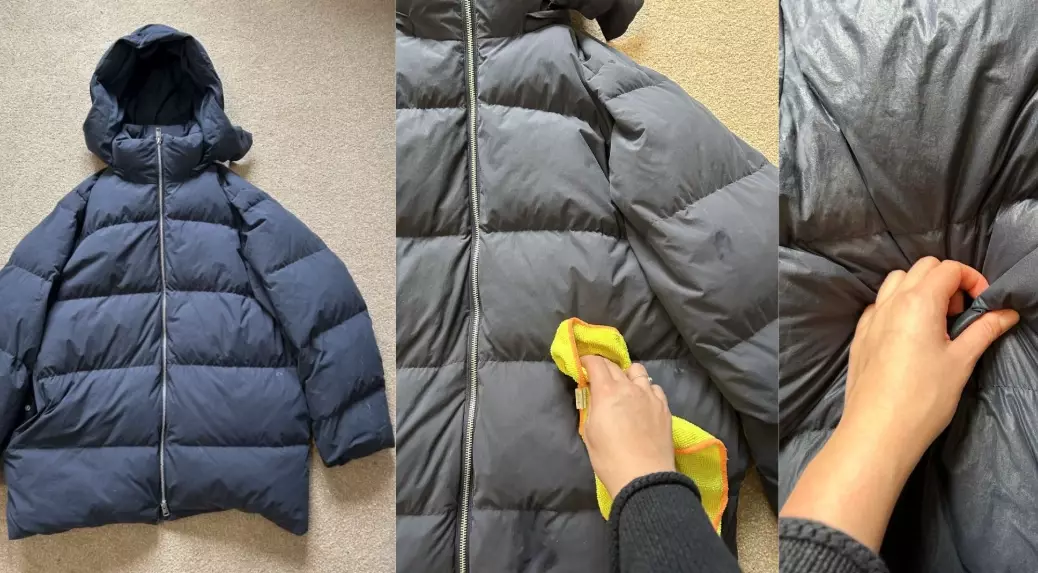
Washing a puffer jacket isn't hard, but it's different from washing a cotton t-shirt. The magic is in the insulation – whether it's high-quality down or modern synthetic fill – and the goal is to clean it while keeping that loft intact. Forget the myths. You don't need to dry clean it (in fact, that can often strip natural oils from down). You don't need special, expensive potions. What you need is a clear, methodical approach.
What You’ll Learn in This Guide
The Non-Negotiable Pre-Wash Checklist
Before you even think about water, do these three things. Skipping them is where most people go wrong.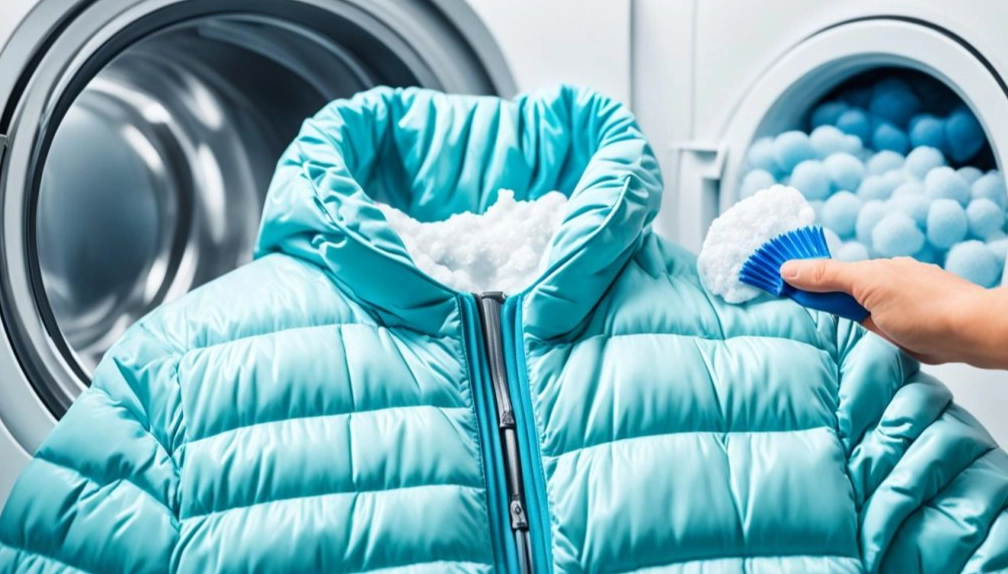
1. Read the Care Label. Actually Read It. I know, it's obvious. But you'd be surprised how many people guess. The label is your jacket's personal manual. Look for symbols: a tub of water means it's washable, a circle means dry clean only (rare for modern puffers, but check). Note any specific temperature limits.
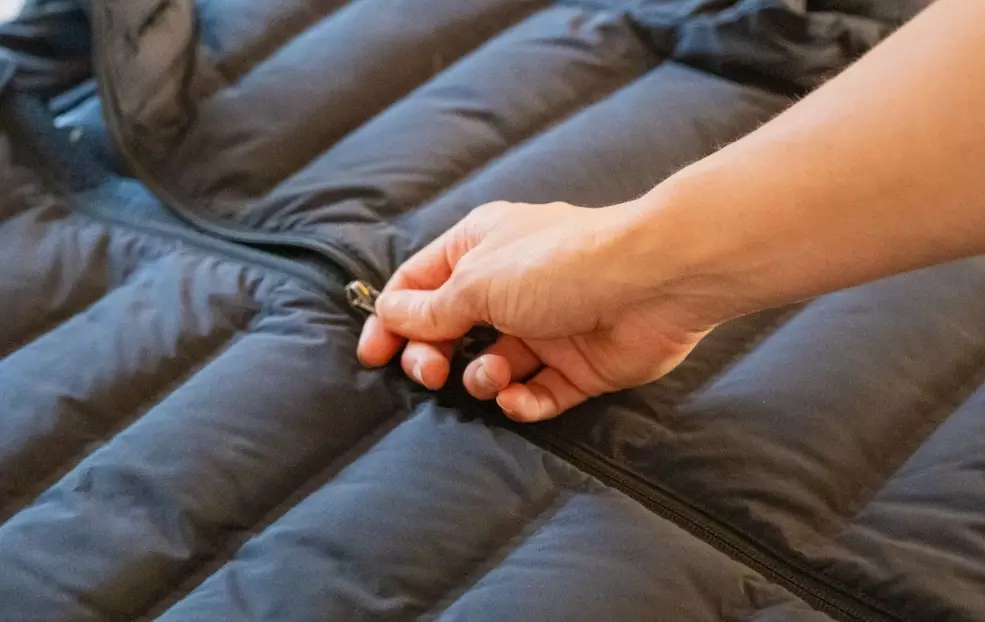
2. Zip Up All Zippers, Fasten All Velcro, and Empty All Pockets. This is crucial. Open zippers can snag and tear the delicate lining. Unfastened Velcro is like a little hook that will grab onto the shell fabric and create pulls. And that forgotten tissue in the pocket? It becomes a million tiny, wet paper bits plastered inside your insulation. Trust me.
3. Spot Treat Stains First. Got an oil spot from lunch or some mud on the cuff? Pre-treat it. Use a tiny drop of the same gentle detergent you'll use for the full wash. Gently work it into the stain with your fingers or a soft toothbrush. Let it sit for 10-15 minutes. This gives the detergent a head start so the main wash doesn't have to work as hard, meaning you might avoid a second cycle.
Hand Wash vs. Machine Wash: Which Should You Choose?
There's a lot of debate here, often leaning towards hand washing as the "safer" option. But is it always better? Let's break it down.
| Method | Best For | Pros | Cons |
|---|---|---|---|
| Hand Washing | Ultra-expensive or vintage jackets, jackets with delicate fabrics/trim, or if you have serious trust issues with your washer. | Maximum control. Zero risk of agitator damage. Gentle on every seam. | Physically demanding. Can be inefficient at fully rinsing out soap from thick insulation. Takes much longer. |
| Machine Washing | Most modern puffer and down jackets (check the label!). The go-to for thorough cleaning. | Thorough, even cleaning. Much less effort. Modern washers are gentler than you think. | Requires a specific washer setup. Risk if using wrong cycle/ detergent. |
My take? For 90% of people with a standard, well-cared-for puffer, a front-loading washing machine on the right setting is perfectly fine and often does a better job of rinsing than hand washing. The real enemy isn't the machine; it's the agitator in a top-loading machine or using the wrong settings.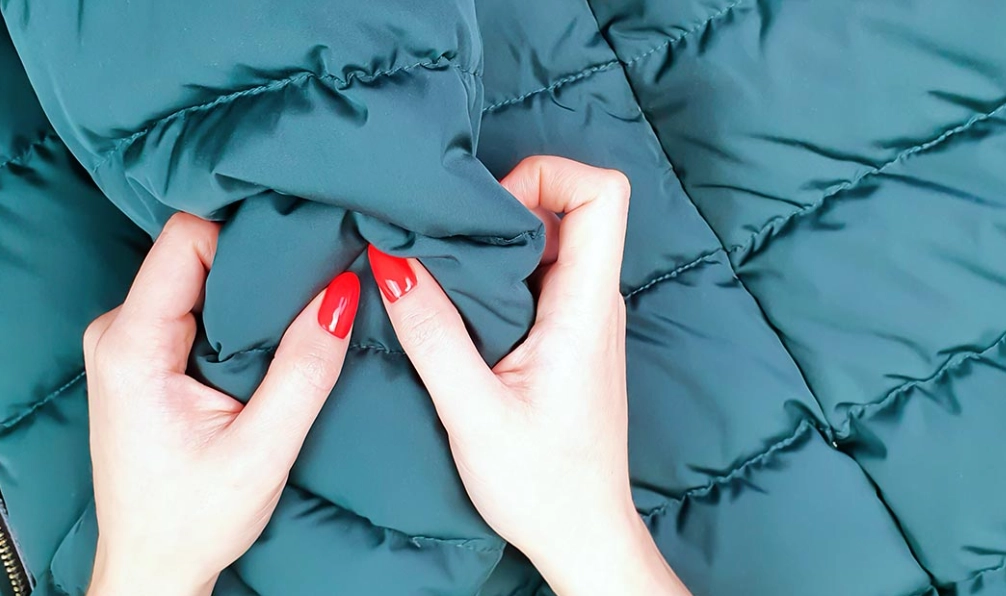
The Step-by-Step Machine Wash Method (The Safe Way)
If your care label has the wash tub symbol, follow this. I've washed dozens of jackets this way.
Gear You'll Need:
- A front-loading washing machine (or a top-loader without a central agitator). Agitators are brutal on puffers.
- Gentle, technical gear detergent. This is non-negotiable. Brands like Nikwax Down Wash, Grangers Down Care, or even a plain, dye-free, fragrance-free liquid detergent like Woolite. Never use fabric softener or regular detergent. They coat the down/synthetic fibers, destroying loft and breathability.
- A couple of clean tennis balls or dryer balls (for the drying stage).
The Wash Cycle:
1. Place the jacket in the drum by itself, or with one other similar item max. Don't crowd it.
2. Set the machine to a gentle or delicate cycle with cold or warm water (not hot). Hot water can damage the shell fabric and the fill.
3. Add the recommended amount of your technical detergent to the dispenser. If your machine has an extra rinse option, use it. Soap residue is a loft-killer.
4. Start the cycle. Walk away. Don't stress.
Why Drying is Everything: The Fluff Revival Protocol
This is where the magic happens. Drying a puffer jacket is an active process, not a passive one. You are literally re-lofting the insulation with heat and movement.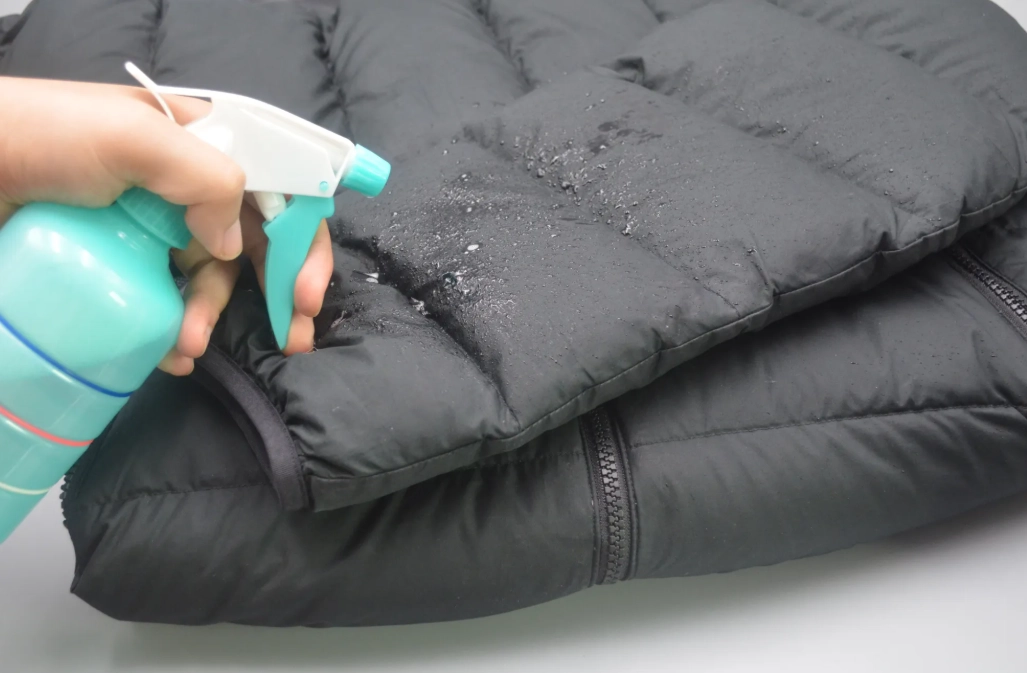
Step 1: The Initial Spin. After the wash, let the machine complete its final spin cycle. This removes excess water. You can also gently press the jacket (don't wring or twist!) against the side of the tub to push out more water.
Step 2: Low Heat is Your Friend. Transfer the jacket to a dryer. Toss in 2-3 clean tennis balls or wool dryer balls. These are essential—they'll physically pummel the jacket, breaking up clumps as it dries.
Step 3: The Long Game. Set the dryer to low heat or air fluff (no heat). High heat can melt synthetic fills or damage down. Start the dryer.
Step 4: The Check-In. This is critical. Every 30-45 minutes, stop the dryer. Pull the jacket out. Feel for any damp, cool spots (especially around seams, cuffs, and the collar). Manually break apart any clumps of down or synthetic fill you feel with your fingers. It should feel like fluffing a pillow.
Step 5: Patience. A puffer jacket can take 2-3 hours to dry completely. It's done only when there is zero moisture, and the fill is uniformly fluffy and airy throughout. Any residual dampness will lead to mildew and clumping.
No dryer? You're in for a marathon. Lay the jacket flat on a large, airy drying rack. Flip it and massage the fill every hour. It could take days, and the results are rarely as good. I strongly recommend finding access to a dryer, even if it means a trip to a laundromat.
The 5 Most Common Mistakes That Ruin Puffer Jackets
Let's crystallize what not to do. These are the silent killers of puffers.
1. Using Fabric Softener or Regular Detergent. I'm repeating this because it's that important. These leave a residue that strips natural oils from down and gums up synthetic fibers. Your jacket loses its loft and becomes a flat, cold shell.
2. Drying on a Hanger or Line. Gravity pulls the wet fill to the bottom. It dries in a solid, lumpy layer. The top half becomes an empty sack. The jacket is ruined.
3. Using High Heat in the Dryer. It can scorch the nylon shell, melt synthetic insulation, or "cook" down, making it brittle. Low and slow is the only way.
4. Skipping the Tennis/Dryer Balls. Without them, there's nothing to physically break up the clumps as the fill dries. You'll likely end up with uneven insulation.
5. Not Drying It COMPLETELY. The slightly damp jacket folded in the closet is a mold farm. It will develop a musty smell that's nearly impossible to remove. When you think it's dry, give it another 30 minutes on air fluff.
Your Puffer Jacket Washing Questions, Answered
Can I dry clean my down puffer jacket?
Most down jacket manufacturers explicitly advise against traditional dry cleaning. The chemical solvents (like perchloroethylene) can strip the natural oils from the down clusters, leaving them dry, brittle, and unable to loft properly. It can also degrade the DWR coating on the shell. Unless the care label has a clear "dry clean only" circle (which is rare), stick to washing with a down-specific detergent.
How often should I actually wash my puffer coat?
Less than you think. Washing does cause minor wear and tear. For a jacket worn casually in the city, once a season is usually plenty. If you're using it for active pursuits like skiing or hiking where it gets sweaty and dirty, you might need to wash it a few times a season. A good rule: wash it when it's visibly soiled, has lost significant loft, or starts to smell less than fresh. Spot cleaning can extend time between full washes.
My puffer jacket came out of the dryer with big, hard clumps. Did I ruin it?
Not necessarily. This usually means it wasn't fully dry, or the clumps weren't broken up enough during drying. Take the jacket, put it back in the dryer with the tennis balls, and run it on air fluff (no heat) for an hour, checking and breaking up clumps every 20 minutes. If the clumps persist, you may have used the wrong detergent. Try rewashing it with a proper down wash and repeating the low-heat, tennis ball drying process. There's often hope for recovery.
What's the best way to store my puffer jacket for the summer?
First, make absolutely sure it's clean and completely dry. Never store it dirty or damp. Then, store it loosely folded or hung in a spacious, breathable cotton storage bag (not a plastic bag, which traps moisture) in a cool, dry closet. Avoid compressing it for long periods in a tight stuff sack, as this can permanently damage the loft of the insulation over many months.
Is it okay to wash a synthetic insulated puffer (like PrimaLoft) the same way as down?
Yes, the process is nearly identical and often more forgiving. Synthetic insulation doesn't clump as dramatically as down when wet, and it's less sensitive to detergent residues. However, you should still use a gentle detergent, avoid fabric softener, and use low heat when drying, as high heat can melt the synthetic fibers. The tennis ball trick is still highly recommended to restore loft.
 Look, washing a puffer jacket feels like a high-stakes operation. But once you understand the logic – clean gently, dry thoroughly with movement – it becomes just another household chore. A well-washed puffer doesn't just look better; it performs better, keeping you warmer for seasons to come. Grab that jacket, check the label, and give it the refresh it deserves. You've got this.
Reader Comments