Nagoya's food scene is a powerhouse. Forget the delicate kaiseki of Kyoto or the trendy cafes of Tokyo. Here, it's all about bold flavors, hearty portions, and dishes with serious history. We're talking rich red miso, crispy fried chicken wings, and a way of eating eel that's practically a ritual. But with so many options claiming to be the best, where do you actually go? I've spent years eating my way through this city, from the packed tourist spots to the back-alley counters only locals know. This isn't just a list; it's a curated guide to the restaurants that define Nagoya's culinary soul, complete with the nitty-gritty details you need to plan your feast.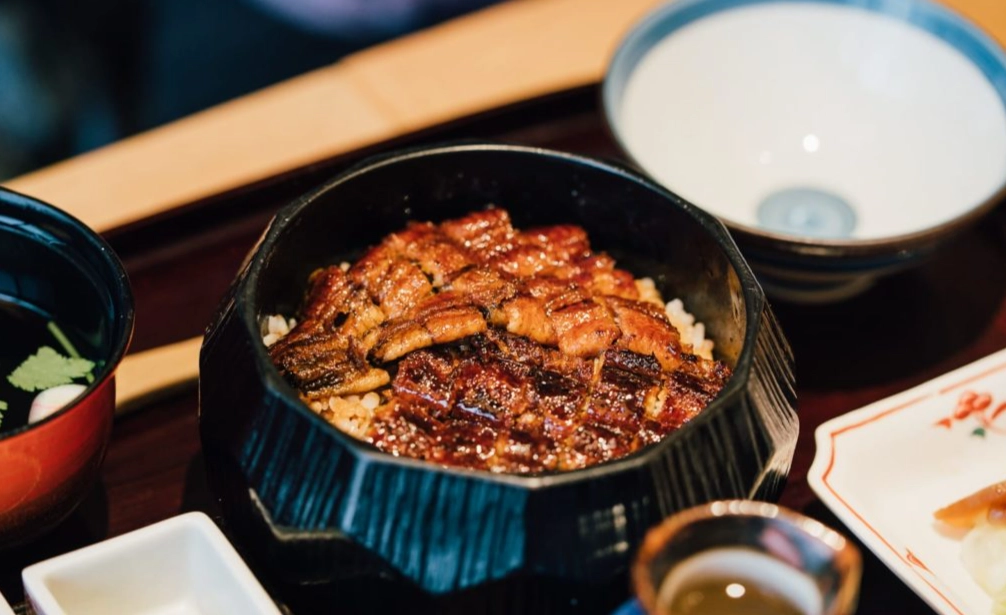
Your Nagoya Food Adventure Starts Here
The Essential Five: Nagoya's Must-Eat Restaurants
These five spots cover the iconic bases. You could hit one a day and leave Nagoya a very happy, very full person.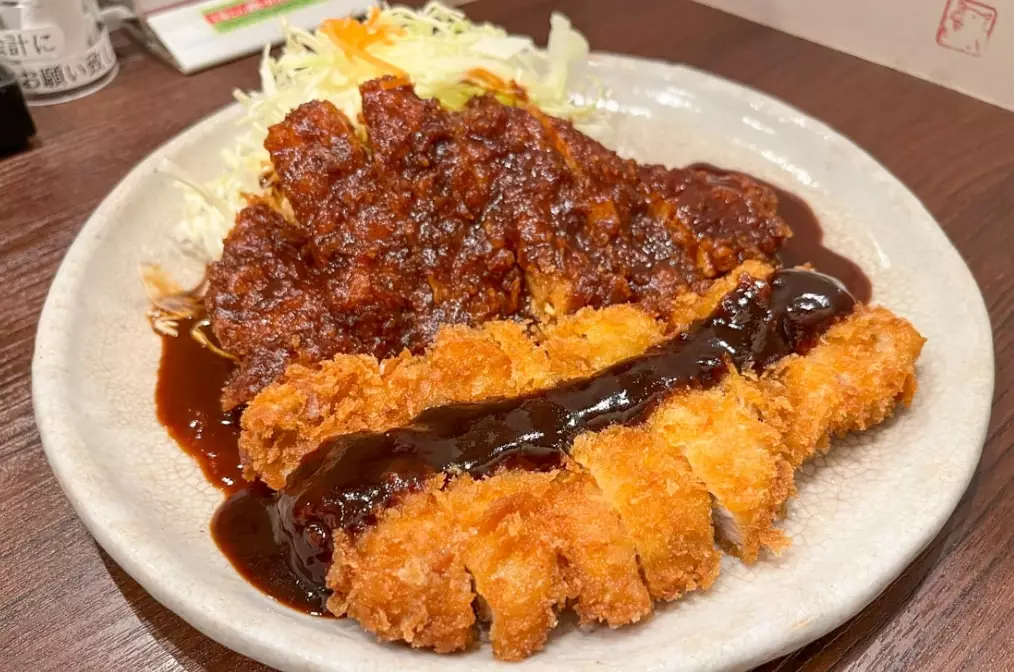
1. Atsuta Hōraiken (Hitsumabushi)
Address: 503 Godocho, Atsuta Ward, Nagoya, Aichi 456-0031 (Main Shop near Atsuta Jingu)
Signature Dish: Hitsumabushi (grilled eel over rice served three ways).
Price Point: ¥4,000 - ¥8,000 per set.
Hours: Typically 11:30 AM - 2:00 PM, 4:30 PM - 8:00 PM (Closed Wednesdays, check ahead).
This is the temple of unagi. Founded in 1873, Hōraiken is where hitsumabushi was practically invented. The ritual is key: first, eat the pristine eel and rice as is. Second, add condiments like green onions, wasabi, and nori. Third, pour dashi broth over it for a comforting ochazuke. Most tourists rush to the main shop, but the wait can be brutal (think 2 hours). My move? Head to their JR Gate Tower branch on the 15th floor. The view is modern, the recipe is the same, and you can often get a seat with less drama, especially for lunch. The eel has a perfect charcoal-kissed crispness without being oily.
2. Yabaton (Miso Katsu)
Address: Multiple locations. The main shop is at 3-6-18 Ōsu, Naka Ward.
Signature Dish: Miso Katsu (pork cutlet slathered in thick, dark Hatchō miso sauce).
Price Point: ¥1,500 - ¥2,500 for a teishoku set.
Hours: Varies by location, main shop often 11:00 AM - 9:00 PM.
The king of miso katsu. It's loud, it's bustling, and the mascot (a pig in a sumo wrestler's loincloth) is everywhere. The pork cutlet is good, but the star is that sauce—a deep, complex, slightly sweet Hatchō miso that they've been perfecting for decades. A common mistake first-timers make? Ordering the regular portion. Go for the "loin" (hire) over the "fillet" (rosu) for a more tender experience. Also, the cabbage refills are unlimited, use them to cut through the richness. The Osu main shop has the most atmosphere, but for a quicker meal, the Meieki (station) locations are efficient.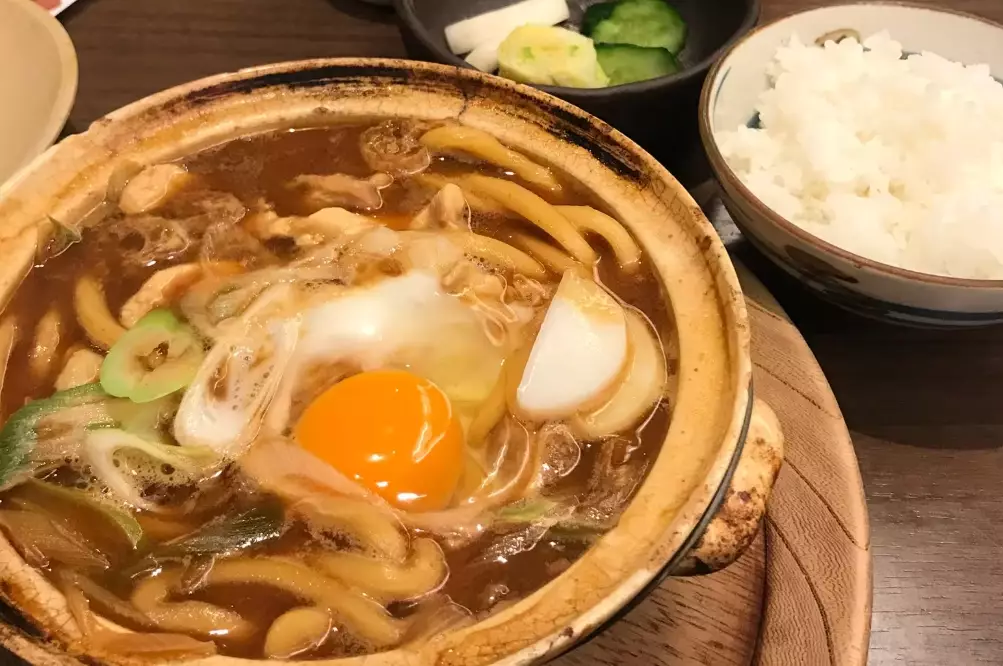
3. Yamamotoya Sōhonten (Miso Nikomi Udon)
Address: 1-6-18 Sakae, Naka Ward (Sakae main store).
Signature Dish: Miso Nikomi Udon (udon noodles stewed in a hearty red miso broth).
Price Point: ¥1,000 - ¥1,800 per bowl.
Hours: 11:00 AM - 10:00 PM (Last order 9:30 PM).
This is winter comfort in a bowl, but I eat it year-round. Thick, chewy udon noodles are simmered in a clay pot with a robust red miso broth, egg, green onion, and a fish cake. It's savory, umami-packed, and incredibly filling. The Sakae location is central and reliable. Don't be shy—slurp those noodles loudly. It's expected, and it helps cool them down. The broth is saltier than you might be used to; it's meant to be intense. Pair it with a simple side of rice towards the end.
4. Sekai no Yamachan (Tebasaki)
Address: Ubiquitous. The original is in Nagoya, but any major branch will do.
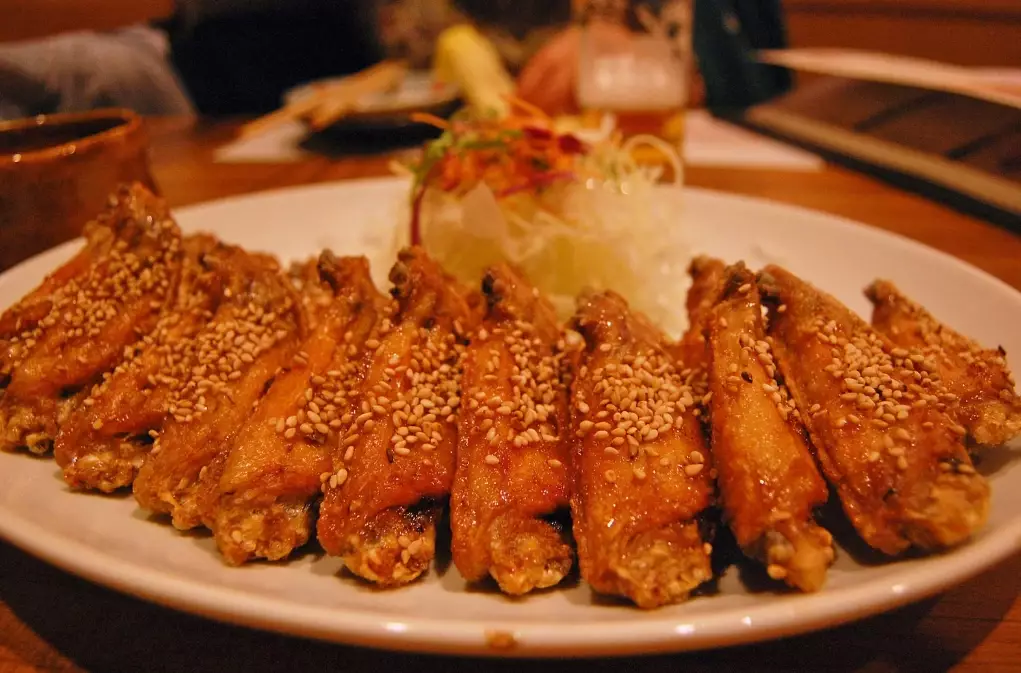
Signature Dish: Tebasaki (Nagoya-style fried chicken wings).
Price Point: ¥600 - ¥1,200 for a plate of wings.
Hours: Often 5:00 PM - late (many locations open until midnight or later).
This is where you go for a beer and some of Japan's best bar food. Nagoya tebasaki are dry, crispy, double-fried wings tossed in a pepper-and-sesame seasoning. They're not saucy like Buffalo wings. Yamachan is the chain that popularized them nationwide. The atmosphere is always lively, almost rowdy. Order a pitcher of beer, a mountain of wings, and their cabbage salad with that unique sesame dressing. It's the perfect counterpoint. This isn't fine dining; it's a fun, messy, essential Nagoya experience. Go with a group.
5. Maruya (Kishimen)
Address: 3-14-22 Nishiki, Naka Ward (In the Hisaya Odori Park area).
Signature Dish: Kishimen (flat, wide udon noodles).
Price Point: ¥900 - ¥1,500.
Hours: 11:00 AM - 8:30 PM (Last order 8:00 PM).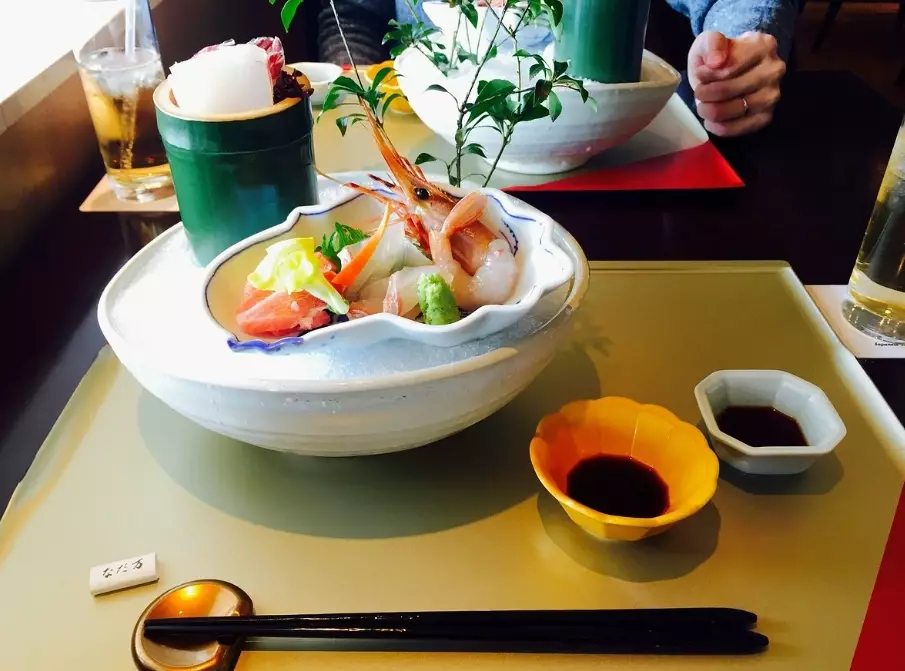
For a change from the heavy miso flavors, Maruya offers a lighter but no less iconic taste of Nagoya. Kishimen are smooth, flat noodles served in a clean, soy-based broth, often topped with tempura crumbs (tenkasu) and spinach. The main shop is a beautiful, traditional wooden building that feels like a step back in time. It's serene compared to the hustle of Yabaton. Get the tempura set to try their light, crispy shrimp or vegetable tempura on the side. It's a refreshing and often overlooked part of the local cuisine.
| Restaurant | Must-Order Dish | Budget | Best For | Pro Tip |
|---|---|---|---|---|
| Atsuta Hōraiken | Hitsumabushi | Mid-High | A ceremonial, premium meal | Go to the JR Gate Tower branch to avoid epic waits. |
| Yabaton | Miso Katsu Loin Set | Low-Mid | Bold, saucy comfort food | Unlimited cabbage is your friend. Order hire (loin). |
| Yamamotoya | Miso Nikomi Udon | Low | A hearty, warming noodle stew | Embrace the slurp. The broth is meant to be strong. |
| Sekai no Yamachan | Tebasaki & Cabbage Salad | Low | Late-night bites with drinks | It's a chain, but it's *the* chain for a reason. Dive in. |
| Maruya | Kishimen Noodles | Low | A lighter, traditional taste | Add tempura for the full experience. |
Your Nagoya Dining Playbook: Tips & Tricks
Knowing the restaurants is half the battle. Here’s how to actually navigate them.
How to Eat Like a Local (The Unwritten Rules)
At Hōraiken, don't mix all three hitsumabushi ways together immediately. Savor the progression. At Yabaton, use the provided mortar to grind your sesame seeds for the dressing—it's part of the fun. For tebasaki, it's perfectly acceptable to eat with your hands. In fact, you almost have to. Most places will give you a wet towel (oshibori) for cleanup.
Budgeting for Your Food Tour
You can eat extremely well in Nagoya without breaking the bank. A meal at Yabaton or Yamamotoya will run you about ¥1,500-¥2,000. Yamachan is even cheaper if you're just snacking. Hōraiken is the splurge. Factor in ¥500-¥1,000 for drinks if you're having beer or sake. Many set meals (teishoku) come with rice, miso soup, and pickles, making them great value.
The Reservation Question & Timing
For Hōraiken (main shop), a reservation is highly recommended, especially for dinner. For Yabaton and Yamamotoya, expect queues during peak lunch (12-1 PM) and dinner (6-7:30 PM). My strategy? Aim for an early lunch (11:30 AM) or a late lunch (after 1:30 PM). You'll walk right in. Yamachan is built for volume, so waits are usually short unless it's a huge Friday night group.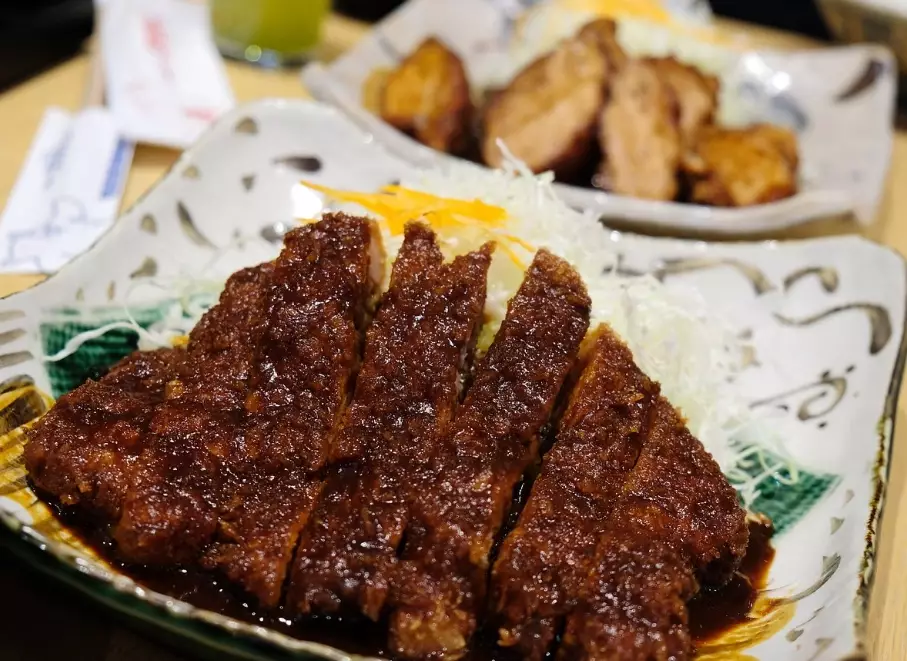
Beyond the Restaurant: Understanding Nagoya's Signature Dishes
Why are these foods so special here? A little context makes the meal better.
Hitsumabushi isn't just grilled eel. The Atsuta region's method of splitting the eel, the specific charcoal grilling, and the three-way eating philosophy create a unique dish that's interactive and lets you appreciate different textures and flavors. It's a full experience.
Miso Katsu uses Hatchō miso, a dense, aged soybean miso produced in nearby Okazaki. It's darker, richer, and less sweet than the white or red miso used elsewhere. This gives Nagoya's miso dishes their distinctive, profound depth. When you taste that sauce at Yabaton, you're tasting a regional ingredient with centuries of history.
Tebasaki are all about technique. The double-frying ensures maximum crispiness without greasiness, and the seasoning is a simple but perfect blend of pepper, salt, and sesame. It's deceptively simple, which is why it's so hard to replicate at home.
Nagoya Food FAQ: Your Questions Answered
 Nagoya's food isn't just about feeding you; it's about leaving an impression. That hit of dark miso, the crackle of a tebasaki wing, the three-stage journey of the eel—these are memories on a plate. Start with the essential five, use the tips to navigate like a pro, and you'll do more than just eat in Nagoya. You'll understand it.
Reader Comments