You're not just looking for a cat. You're looking for a companion with presence, a fluffy family member with a heart as big as its paws. That's the Norwegian Forest Cat, and if you've found your way to the name "Zion," you're likely searching for one from a dedicated breeding program. Let's cut straight to it: owning a Wegie (that's the nickname) from a breeder like Zion is a commitment to a specific kind of magic—and a specific kind of care. This guide walks you through everything, from their legendary personality to the nitty-gritty of finding a good breeder and surviving the first year with your new furry overlord.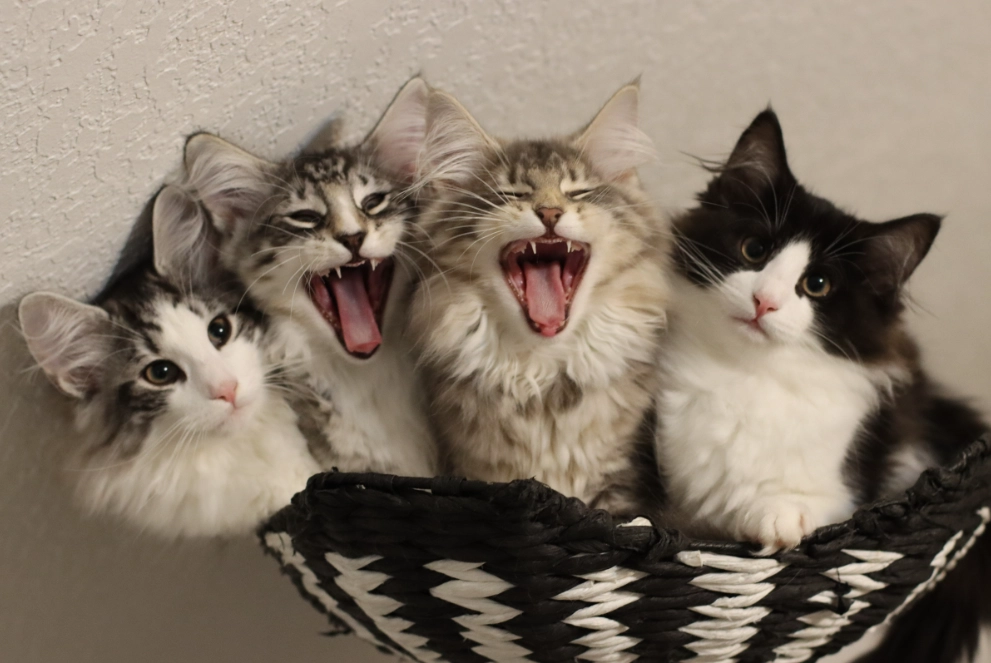
What You'll Find in This Guide
What Makes the Norwegian Forest Cat Special?
Forget everything you think you know about aloof cats. The Norwegian Forest Cat is a dog in a cat's suit. I've had mine, Thor, for eight years, and he greets me at the door, follows me from room to room, and chirps at birds instead of meowing. They're built for Scandinavian winters, which means a double-layered, water-resistant coat, tufted ears and toes, and a bushy tail they can wrap around themselves for warmth.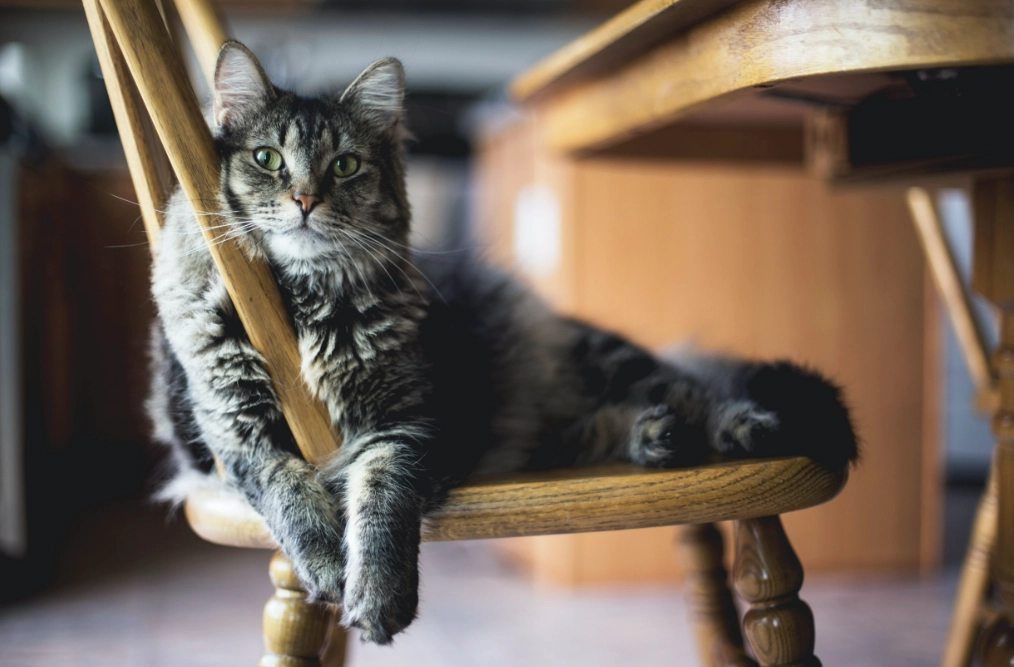
But here's a detail most generic articles miss: their growth rate. They're slow maturers. A Zion kitten might look like a fluffy ball at 4 months, but they won't reach their full, impressive size (males 12-16 lbs, females 9-12 lbs) until they're around 4-5 years old. That long adolescence means their personality develops in fascinating stages—playful kitten, clumsy teenager, dignified adult.
Key Traits at a Glance: Affectionate but not clingy. Playful well into adulthood. Generally quiet (chirps and trills over loud meows). Intelligent and can learn tricks (Thor knows "sit" and "high five"). They are climbers by nature—a tall, sturdy cat tree isn't a luxury, it's a necessity.
The Zion Approach: Understanding Breeder Ethics
"Zion" isn't just a catchy name. In the breeding world, it signals a philosophy. A responsible breeder like those operating under the Zion name focuses on health, temperament, and adherence to the breed standard, not just producing cute kittens. The difference between a good breeder and a backyard breeder is the difference between a lifelong friend and potential heartbreak.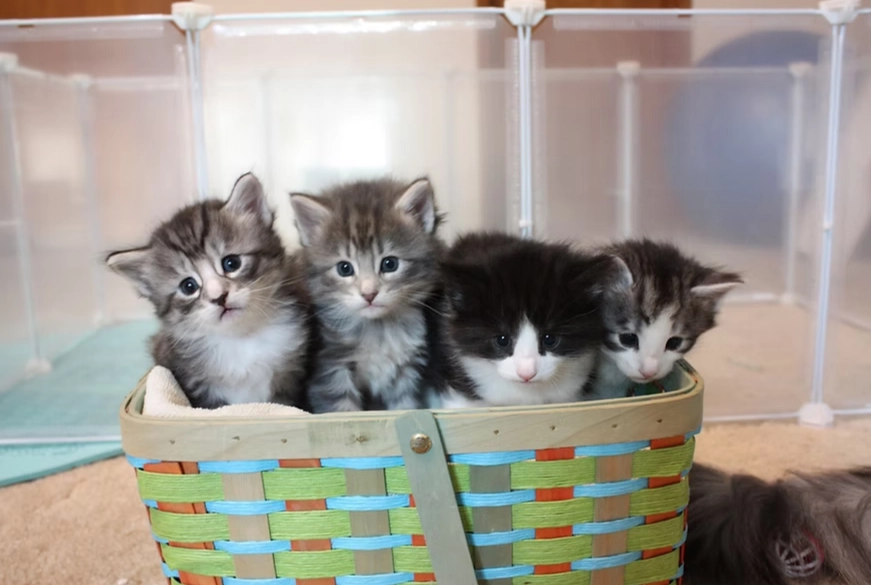
How do you spot the real deal? A Zion-level breeder will:
- Screen for Genetic Health: This is non-negotiable. They should test for Hypertrophic Cardiomyopathy (HCM) and Glycogen Storage Disease IV (GSD IV). Ask to see the parents' test results from a lab like the Veterinary Cardiac Genetics Lab at Washington State University.
- Raise Kittens Underfoot: Kittens should be socialized in a home environment, not a barn or isolated room. This exposure to household noises, people, and gentle handling is critical for a stable temperament.
- Provide a Detailed Contract: This protects you and the breeder. It should include a health guarantee, a clause requiring you to spay/neuter unless sold for breeding (and that comes with strict requirements), and a promise to take the cat back at any point in its life if you can't keep it.
- Ask You More Questions Than You Ask Them: They'll want to know about your home, your lifestyle, your experience with pets. They're matching a living creature to a family, not selling a product.
Red Flag Central: No health testing. Kittens available immediately. Willing to ship a kitten without a conversation. Multiple litters always available. Prices significantly below the average (which, for a well-bred NFC, typically ranges from $1,500 to $3,000+). A Zion-quality breeder will have a waitlist.
How to Choose a Zion Norwegian Forest Cat Kitten
So you've found a reputable breeder. The waitlist is moving, and it's time to pick your kitten. Don't just go for the first one that pounces. Visit if possible (a good breeder will encourage this). Observe the litter.
Here’s a practical table I wish I had when I was looking:
| Kitten Behavior | What It Might Mean | Good For... |
|---|---|---|
| The one who climbs your leg | Bold, confident, high energy. May be a handful. | Active families, experienced owners. |
| The one who watches from a distance, then approaches softly | Observant, thoughtful, may be more sensitive. | Quiet homes, first-time owners. |
| The one who flops over for belly rubs | Highly social, trusting. A classic "gentle giant" in the making. | Families with children, multi-pet homes. |
| The one who's asleep in the corner | Could just be tired, or could be less engaged. Ask the breeder for their read. | Depends on the breeder's assessment. |
Talk to the breeder about your lifestyle. They know these kittens' personalities from day one. I thought I wanted the boldest, but my breeder gently steered me toward Thor, the thoughtful observer, because I work from home and needed a calm companion. She was right.
Preparing Your Home for a Wegie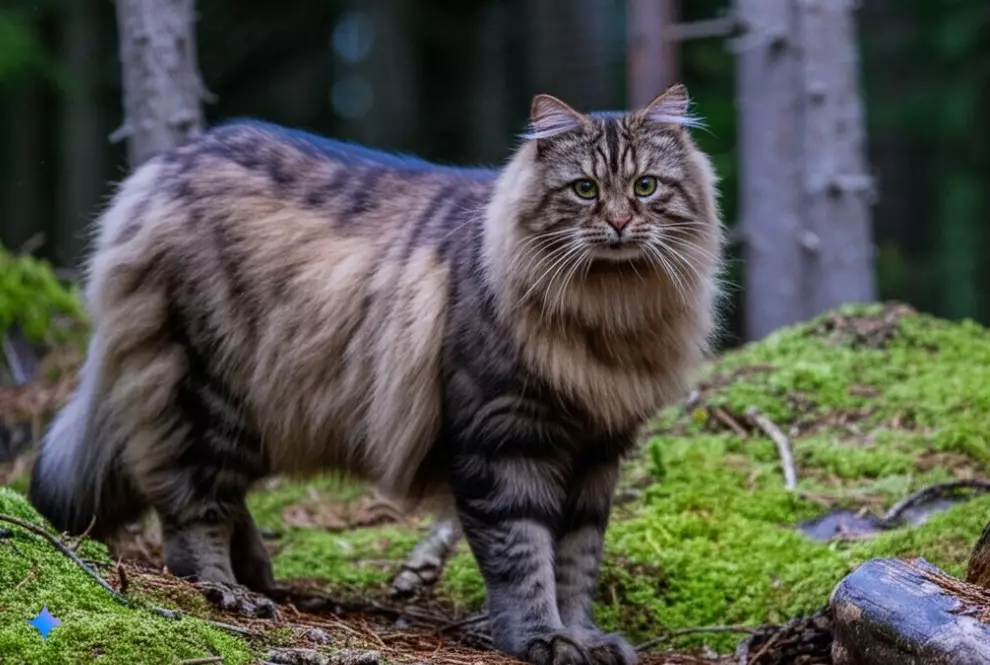
Think big. A flimsy, 4-foot cat tree will be toppled. Invest in a floor-to-ceiling or very sturdy, wide-based tree. Get a large, uncovered litter box (these are big cats). Have a stainless steel or ceramic food and water bowl (plastic can cause chin acne). And start budgeting for a good vacuum—you'll need it.
The First Year: Essential Care for Your Zion Kitten
The first year sets the tone. Your main jobs: socialization, grooming acclimation, and not freaking out about their awkward teenage phase.
Grooming is Non-Negotiable, But Be Smart: Many guides will tell you to brush a Wegie daily. That's overkill and can strip their undercoat if you're not careful. For a kitten, start with short, positive sessions 2-3 times a week. Use a wide-toothed comb first to prevent mats, then a slicker brush. The goal is to get them to enjoy it, not endure it. The major shedding happens twice a year (“blowing coat”), and that’s when you ramp up frequency.
The Diet Conversation: Your breeder will give you a starter food. A high-quality diet with plenty of protein supports their slow, steady growth. The controversy? Raw vs. high-quality kibble/wet. I've done both. After a scare with a potential pathogen in a commercial raw blend, I switched Thor to a premium wet/kibble mix recommended by my vet. He's thriving. The point is to choose a diet you're comfortable sourcing and handling consistently. Discuss this with your vet, not just internet forums.
Socialization Beyond the Breeder: Once fully vaccinated, gently expose them to low-stress new experiences: a visitor, a car ride, a new type of toy. The Norwegian Forest Cat is adaptable, but positive early experiences cement that trait. Never force them. Let them observe and approach.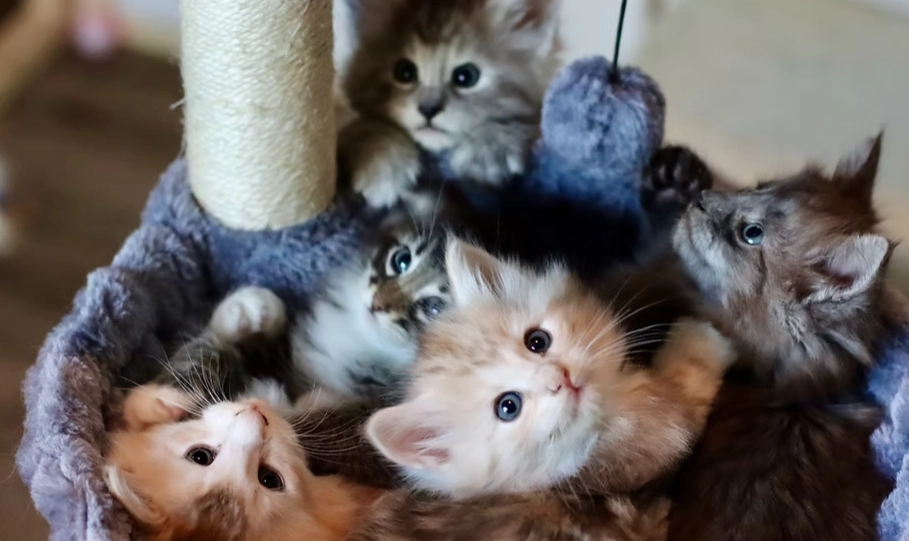
Reader Comments