You’re staring at the ceiling. Your mind is replaying that awkward conversation from three years ago. You check the clock: 2:17 AM. The panic sets in—you need to be up in four hours. The more you try to fall asleep quickly, the wider awake you feel. Sound familiar?
The short answer is yes, there absolutely are tricks to fall asleep fast. But most advice out there is garbage. “Just relax.” “Clear your mind.” If I could clear my mind on command, I wouldn’t be reading this, right? The real sleep tricks aren’t about mental willpower. They’re about physiological hacks—specific, sequential actions that signal to your primal brainstem that it’s safe to shut down.
I’ve spent years digging through sleep studies and testing methods, from the obscure to the overly hyped. The biggest mistake people make? Trying to quiet the mind first. It’s backwards. You need to quiet the body first. The mind follows. Let’s cut through the noise.
What’s Inside: Your Fast-Track to Sleep
- The Problem with “Just Relaxing” and Counting Sheep
- Trick 1: The Military Method to Fall Asleep in 2 Minutes
- Trick 2: The 4-7-8 Breathing Hack (More Than Just Inhale/Exhale)
- Trick 3: The Temperature Drop – Your Body’s Natural Sleep Signal
- Trick 4: The Paradoxical Intention (Trying to Stay Awake)
- Trick 5: The Strategic “Get Up” Rule Everyone Gets Wrong
- Quick Comparison: Which Fast Sleep Trick is For You?
- The Simple Science: Why These Tricks Actually Work
- Your Sleep Questions, Answered
The Problem with “Just Relaxing” and Counting Sheep
Let’s get this out of the way. Counting sheep is possibly the worst advice ever given. A 2002 study from Oxford University actually tested it. Participants who were told to imagine a peaceful scene (like a waterfall or beach) fell asleep 20 minutes faster than those counting sheep. The reason? Counting is mildly engaging but also monotonous, leaving just enough mental bandwidth for anxiety to creep in.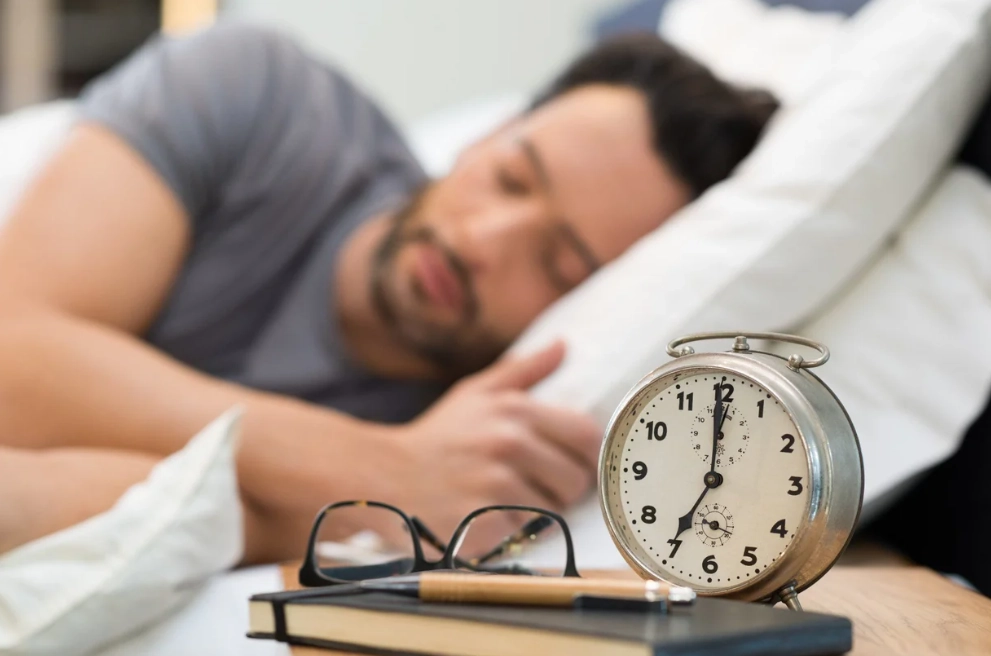
“Just relax” is equally useless. It’s a command, not a method. When you’re stressed, your sympathetic nervous system (the “fight or flight” system) is active. Telling it to calm down is like yelling at a fire to go out. You need a systematic shutdown sequence, not a plea.
The goal isn’t to think yourself to sleep. It’s to feel yourself to sleep. The gateway is physical sensation.
Trick 1: The Military Method to Fall Asleep in 2 Minutes
This technique, reportedly used by the U.S. military to help soldiers sleep under extreme conditions, is my top recommendation. It’s not magic; it’s a systematic full-body relaxation drill.
The common mistake? Rushing through the body scan. You must spend a full 10-15 seconds on each muscle group, and the order is crucial—it follows a logical, top-down relaxation pathway.
How to Do It Right:
- Get Positioned: Lie on your back, arms slightly away from your body, palms up. Legs uncrossed.
- Breathe Deeply: Take 4-5 slow, deep breaths. In through the nose, out through the mouth.
- The Sequential Release: Starting with your face, tense each muscle group for 2 seconds, then release completely. Feel the weight of relaxation. Move in this exact order:
- Forehead & Scalp: Raise your eyebrows, then let them drop.
- Eyes & Cheeks: Squeeze your eyes shut, then release.
- Jaw & Mouth: Clench your teeth into a smile, let go, let your lips part slightly.
- Neck & Shoulders: Pull shoulders to ears, then drop them like heavy stones.
- Arms: Tense from biceps to fists, then release. Feel the heaviness sink into the mattress.
- Chest & Torso: Take a deep breath, hold, tighten your chest and abs, exhale fully as you release.
- Legs: Tense thighs, calves, down to your toes. Then let go completely.
- The Mental Clear-Out: After the scan, hold the image of two things for 10 seconds each: 1) A completely still, dark lake at night. 2) Yourself lying in a pitch-black, velvet hammock. If a thought intrudes, calmly say “thought” and return to blackness.
It works because it gives your restless mind a single, mundane task (body scanning) while directly forcing muscular tension—a primary physical symptom of anxiety—to dissipate. The body can’t be physically relaxed and psychologically panicked at the same time.
Trick 2: The 4-7-8 Breathing Hack (More Than Just Inhale/Exhale)
Popularized by Dr. Andrew Weil, this is a breathing pattern that acts as a natural tranquilizer for the nervous system. But most people do it wrong. The key isn’t just the counts; it’s the pause (the hold) and the forceful exhale.
Pro Tip: Place the tip of your tongue against the ridge of tissue behind your upper front teeth for the entire exercise. This completes an energy circuit in some Eastern traditions, but practically, it forces you to exhale through your mouth with a gentle “whoosh” sound, which is oddly focusing.
The Correct Sequence: 1. Exhale Completely: Start by pushing all the air out of your lungs through your mouth (with that tongue position). 2. Inhale (4): Close your mouth and inhale silently through your nose for a count of 4. 3. Hold (7): Hold your breath for a count of 7. This is the crucial step that builds mild, safe carbon dioxide levels, slowing the heart rate. 4. Exhale (8): Exhale forcefully through your mouth, making that “whoosh” sound, for a count of 8. Repeat this cycle 4 times. Do not do more than 4 cycles when first starting. It’s powerful. You might feel lightheaded—that’s the shift from sympathetic to parasympathetic dominance.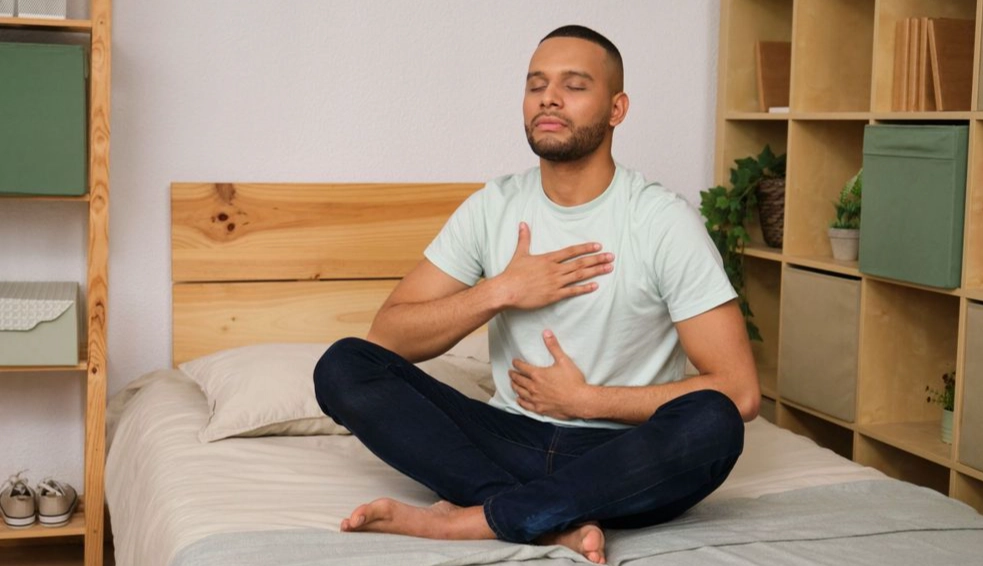
Trick 3: The Temperature Drop – Your Body’s Natural Sleep Signal
Your core body temperature needs to drop by about 1-2 degrees Fahrenheit to initiate sleep. This isn’t a minor detail; it’s a primary driver. The National Sleep Foundation consistently highlights temperature regulation.
The hack isn’t just a cool room (aim for 65-68°F or 18-20°C). It’s about manipulating blood flow.
- Warm Bath/Shower 90 Minutes Before Bed: This sounds counterintuitive. But as you get out, your dilated blood vessels release heat rapidly, accelerating the core temperature drop. A 2019 meta-analysis found it improved sleep quality and reduced sleep onset time.
- Cold Feet, Warm Heart (to Sleep): If your feet are cold, wear socks. Warm feet help dilate blood vessels in the skin, aiding heat loss. I keep a dedicated pair of loose, breathable cotton socks by the bed.
- Bedding Material: Ditch the polyester. Use breathable natural fibers like cotton, linen, or moisture-wicking bamboo. They don’t trap heat.
Trick 4: The Paradoxical Intention (Trying to Stay Awake)
This is a cognitive-behavioral therapy (CBT) technique for insomnia. When performance anxiety about sleeping (“I MUST sleep now!”) is the problem, you remove the demand.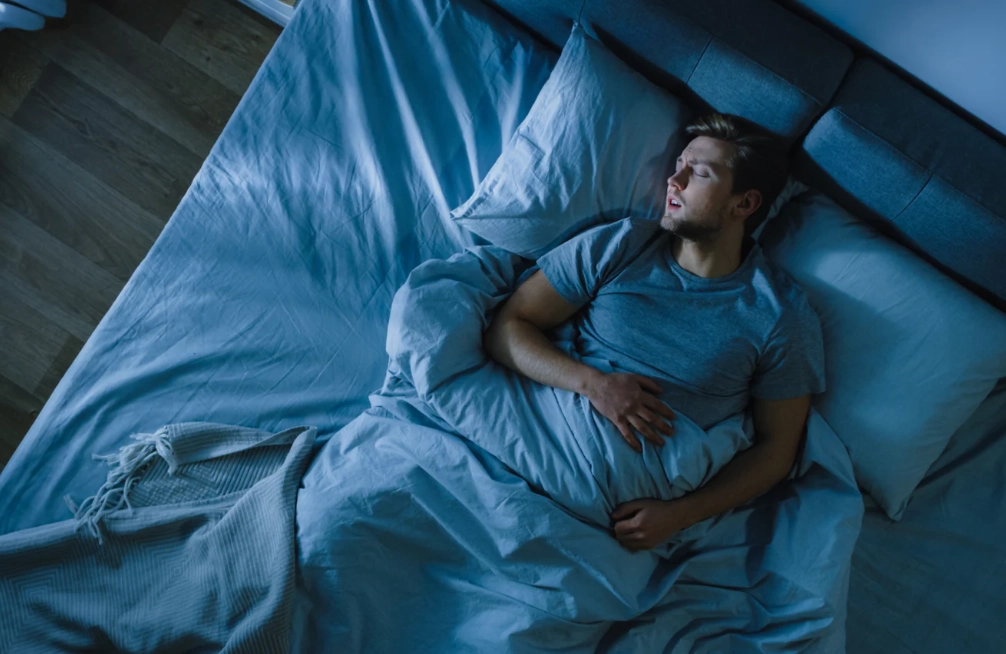
Instruction: Get into bed, turn off the lights, and try your hardest to stay awake. Keep your eyes open in the darkness. Mentally repeat, “I will stay awake. I will not fall asleep.”
Why it works: It takes the pressure off. The effort to stay awake becomes boring, and sleep, now a forbidden act, becomes more appealing. It transfers the “goal” from an elusive internal state (sleep) to a simple, achievable action (keeping eyes open). It feels silly, but it breaks the cycle of sleep effort.
Trick 5: The Strategic “Get Up” Rule Everyone Gets Wrong
The standard advice is: “If you can’t sleep in 20 minutes, get out of bed.” This is correct, but incomplete. What you do in those 20 minutes and what you do when you get up matters tremendously.
The Wrong Way: Lie there for 45 minutes getting frustrated, then get up and scroll through your phone or start planning your week.
The Right Way: 1. From the moment you notice wakefulness/anxiety, start the 20-minute clock. 2. During that time, deploy one of the physical tricks above (Military Method or 4-7-8). Give it your full focus. 3. If 20 minutes pass and you’re still alert, without frustration, get up. 4. Go to a dimly lit chair (no screens!). Do a mindless, low-stimulation activity: leaf through a boring physical magazine, listen to a very calm, spoken-word podcast (no exciting stories), or do a simple jigsaw puzzle. The activity must have no emotional or intellectual stakes. 5. Return to bed only when you feel drowsy (eyelids heavy, head nodding).
This severs the association between bed and anxiety. Your bed is for sleep (or sex), not for worry.
Quick Comparison: Which Fast Sleep Trick is For You?
| Trick | Core Principle | Best For | Estimated Time to Effect |
|---|---|---|---|
| Military Method | Progressive Muscle Relaxation + Mental Imagery | Physical tension, overactive mind, beginners | 2-10 minutes |
| 4-7-8 Breathing | Nervous System Regulation via Breath Control | Anxiety, racing thoughts, panic at bedtime | 1-5 minutes (after 4 cycles) |
| Temperature Drop | Exploiting Core Thermoregulation Biology | People who sleep “hot”, as a foundational prep | 30-60 minutes (pre-bed ritual) |
| Paradoxical Intention | Removing Performance Anxiety | Chronic “trying too hard” insomnia | Varies; breaks mental cycle |
| Strategic Get-Up Rule | Re-associating Bed with Sleepiness | When you’re already stuck in bed awake | 20+ minutes (including break) |
The Simple Science: Why These Tricks Actually Work
They all converge on one pathway: activating the parasympathetic nervous system (PNS)—the “rest and digest” system. The PNS is the biological opposite of the stress-driven sympathetic system.
Deep, rhythmic breathing (like 4-7-8) directly stimulates the vagus nerve, the main command line of the PNS. Muscle relaxation (Military Method) sends feedback to the brain that the body is safe, not under threat, allowing the PNS to take over. The temperature drop is a circadian signal that tells the brain’s sleep-wake center (the suprachiasmatic nucleus) it’s time to produce melatonin.
It’s not mindfulness. It’s biology. You’re hacking the hardware to calm the software.
Reader Comments