Let's be honest. The real reason many of us travel to Southeast Asia isn't just the temples or the beaches—it's the food. The sizzle of a wok at a Bangkok street stall, the complex aroma of a Hanoi pho broth simmering for hours, the explosion of flavors in a Penang laksa. But navigating this culinary paradise on your own can be overwhelming. That's where a well-chosen Southeast Asia food tour transforms from a nice-to-have into a game-changer. It's your backstage pass, your translator, and your local friend rolled into one.
I've spent over a decade eating my way across this region, from guided tours to solo adventures that ended in both triumph and, well, mild digestive distress. The biggest mistake I see? Travelers booking the first flashy tour that pops up on Google, only to be herded with 20 other tourists to the same overpriced, sanitized spots. A great food tour should feel like a discovery, not a procession.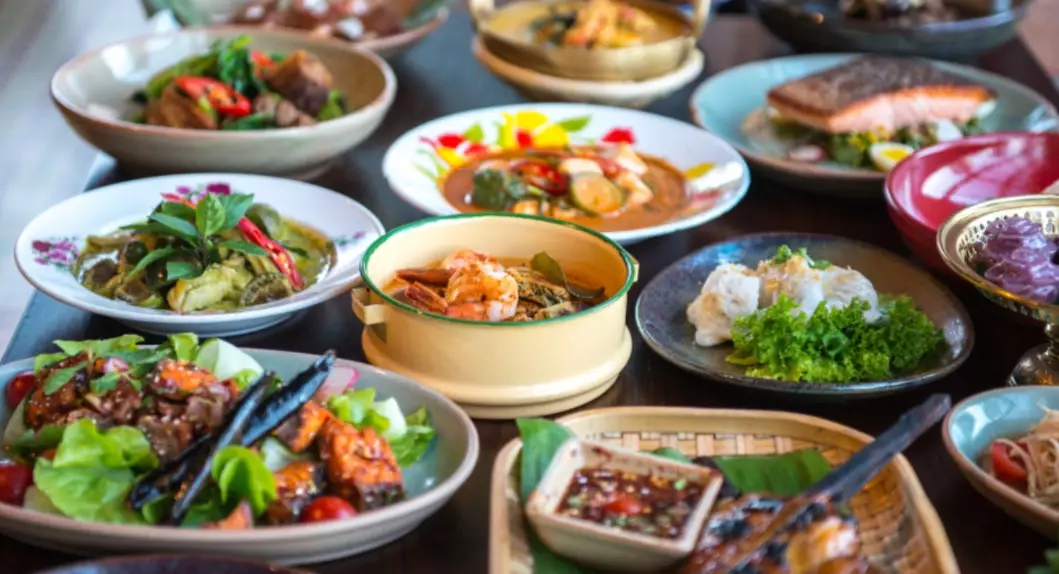
Your Quick Bite-Sized Guide
- Why a Food Tour Beats Solo Exploration
- Top Destinations Deconstructed
- How to Choose the Right Tour for You
- Pro Tips & Tricks for the Best Experience
- Your Food Tour Questions, Answered
Why a Food Tour Beats Solo Exploration (Every Time)
You could just wander and point. But here's what you miss without a guide.
Access. The best street food vendors often have no English menu, no sign, and a line of locals that speaks volumes. A guide walks you straight to the front, orders the right thing, and explains what you're eating and why it's special. I'd have never tried Khao Soi from a specific 80-year-old lady in Chiang Mai's back alleys without my guide Tin.
Context. Food here is history and culture on a plate. Why is Vietnamese food so fresh? Colonial history and a hot climate. What's the significance of eating with your right hand in Malaysia? A guide weaves these stories, turning a meal into a memory.
Efficiency & Safety. They maximize your tasting time and navigate hygiene concerns. They know which stall uses filtered ice, which market has the freshest seafood in the morning. It's insurance for your stomach and your schedule.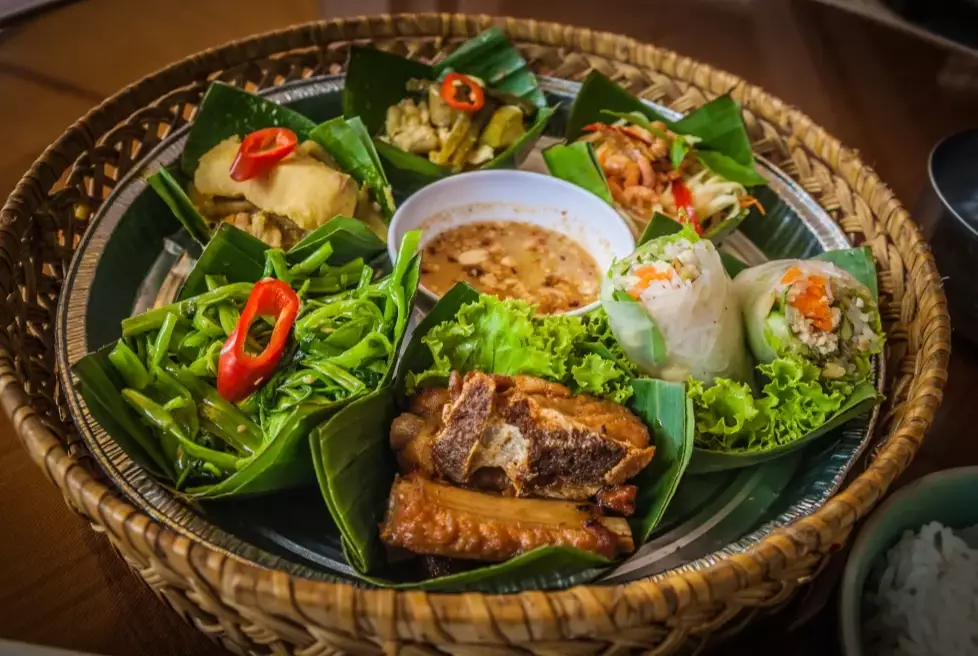
Top Southeast Asia Food Tour Destinations Deconstructed
Each country offers a distinct culinary personality. Here’s where to focus your appetite.
Bangkok, Thailand: The Street Food Capital
Bangkok is a sensory overload. A tour here cuts through the chaos. Skip the tourist-trap Khao San Road. The real action is in Chinatown (Yaowarat) and old districts like Bang Rak.
Spotlight: Jay Fai
Address: 327 Maha Chai Rd, Samran Rat, Phra Nakhon (No clear sign, look for the woman in ski goggles!).
Must-Try: Crab Omelette, Drunken Noodles.
Note: Michelin-starred street food. Expect a 3-4 hour wait or book a tour that handles reservations. Pricey for street food (dishes ~$20+), but a unique experience.
A good Bangkok tour will mix iconic dishes like Pad Thai (from a cart that only makes that one dish) with lesser-known gems like Goong Ten ("dancing shrimp") or proper Som Tum (papaya salad) adjusted to your spice tolerance.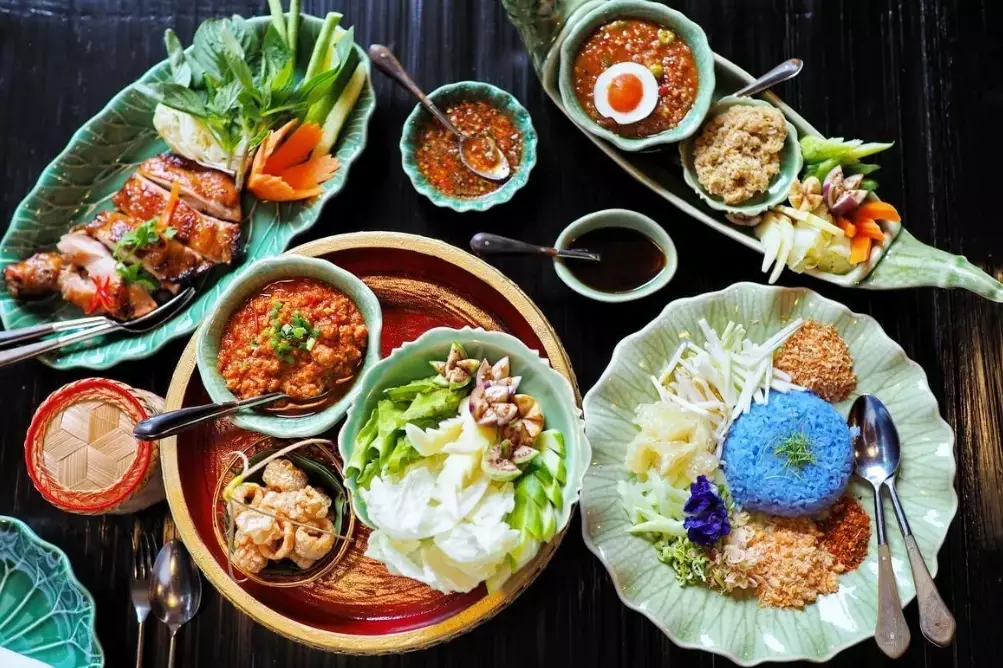
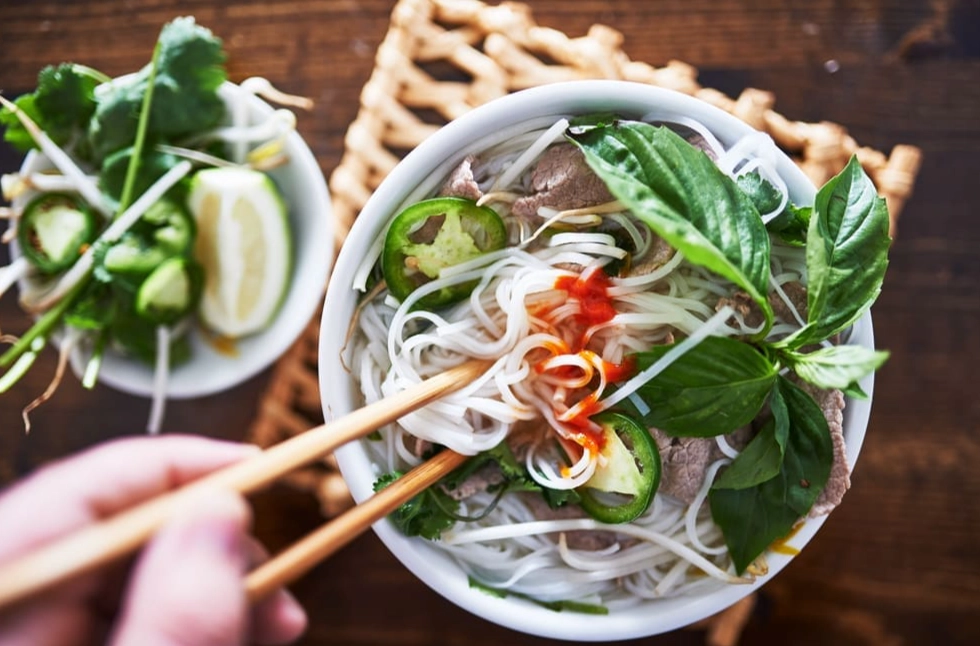
Hanoi, Vietnam: A Symphony of Broths and Herbs
Hanoi's food is nuanced and history-rich. The Old Quarter is a maze of specialist alleys—one for grilled fish, one for bun cha, one for pho cuon. A guide is essential.
Pho 10 Ly Quoc Su is famous for a reason—their broth is impeccable. But a tour might also take you to a Bun Cha spot where Obama sat with Bourdain, or a hidden café for egg coffee. Evening street food tours around the Dong Xuan Market are fantastic, covering everything from banh mi to sticky rice desserts.
Penang, Malaysia: The UNESCO Food Paradise
Georgetown isn't just a UNESCO World Heritage site for its architecture, but arguably for its food. The fusion of Malay, Chinese, and Indian influences is mind-blowing. A food tour here is a cultural lesson.
You must try Assam Laksa (a sour, fish-based noodle soup)—it's a love-it-or-hate-it dish. Then there's Char Kway Teow, Nasi Kandar, and endless Nyonya (Peranakan) kuih (cakes). Tours often include visits to traditional coffee shops (kopitiam) and clan jetty communities.
How to Choose the Right Southeast Asia Food Tour
This is where most people go wrong. Don't just look at the price and stars.
The Local Test: Read the guide bios. Are they locals or expats? There's a place for both, but a born-and-bred Hanoian will have deeper family-run connections. Look for phrases like "born in the Old Quarter" or "fourth-generation Hokkien."
Group Size is Everything. Anything over 8 people becomes a crowd. 4-6 is ideal. You can actually ask questions, move quickly through narrow alleys, and the vendor doesn't get overwhelmed. I once made the mistake of joining a "12-person max" tour that felt like leading a school trip. Never again.
Menu Transparency. Avoid tours with vague descriptions like "sample local delicacies." The best ones list exactly what you'll eat and where. This shows planning and confidence. Also, check if drinks (water, local beer, coffee) are included—hydration is key.
Transport & Terrain. Some tours are walking-only in a dense district. Others use cyclos (in Hanoi), tuk-tuks (in Bangkok), or even motorbike taxis. Consider your mobility and comfort. A walking tour of Georgetown is fine; trying to cover Bangkok's dispersed best eats on foot is impractical.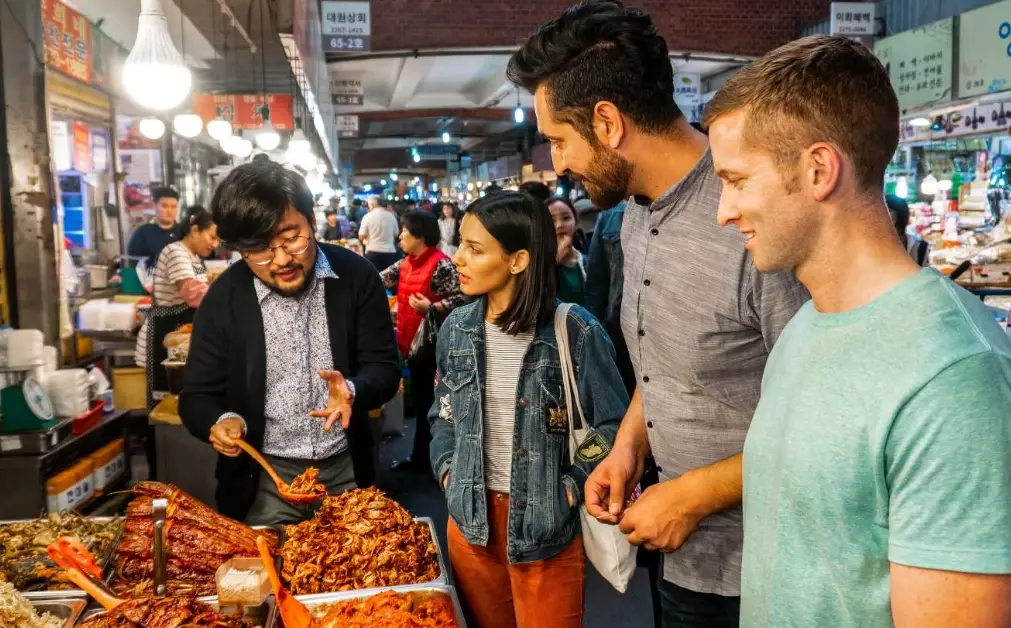
Pro Tips & Tricks for the Best Experience
These come from personal trial and error.
- Go Hungry, But Not Starving. You'll be eating a lot. Have a light breakfast.
- Book for Your First or Second Night. This gives you a culinary orientation. You'll learn what you love, get local recommendations from your guide, and gain confidence to explore on your own for the rest of the trip.
- Communicate Dietary Needs Clearly. Don't just say "no pork." Say "no pork, including lard and stock." Southeast Asian cooking often uses hidden animal products. Reputable tour operators will ask this during booking.
- Carry Hand Sanitizer & Tissue Packets. Many street stalls won't have napkins or soap. This is non-negotiable.
- Ask About the Toilet Strategy. A good guide will know where clean(ish) restrooms are along the route. It sounds trivial until you need one.
- Cash is King. Even if the tour is pre-paid, bring small local currency for extra drinks, snacks that catch your eye, or tipping your guide (if appropriate).
Your Southeast Asia Food Tour Questions, Answered
 How do I avoid food poisoning on a street food tour?
Reader Comments