Finishing a thru-hike—hiking a long-distance trail end-to-end in one season—isn't about being the fastest or the fittest. It's about planning. Really, really good planning. You can have the strongest legs and the brightest spirit, but a poorly packed bag or a vague resupply strategy will end your trip faster than any bear. This guide isn't a fluffy inspiration piece. It's the tactical manual I wish I had before my first long trail, built from mistakes, successes, and countless conversations at trailheads.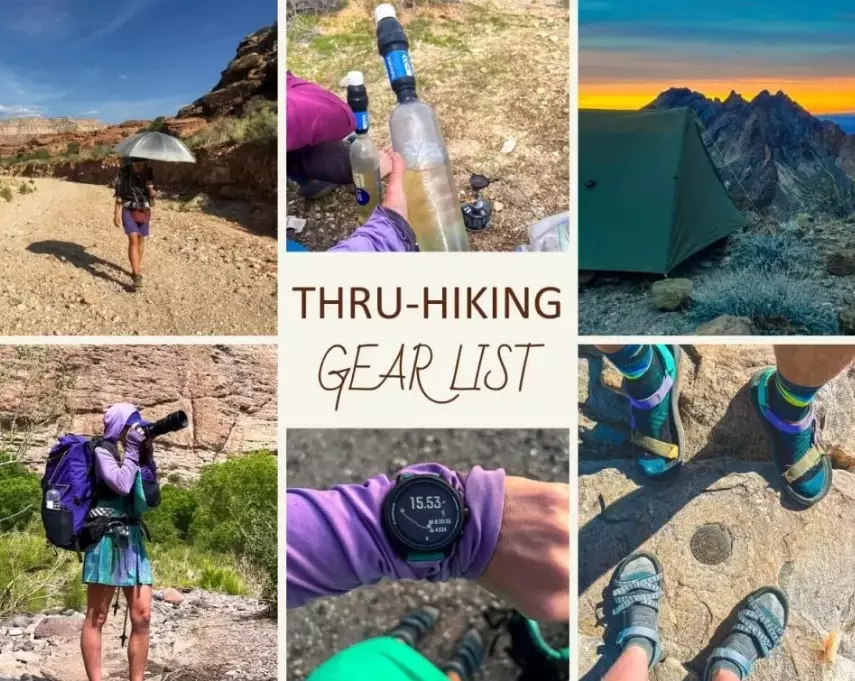
Your Trail Map: What's Inside This Guide
Step 1: Picking Your Trail (It's More Than Scenery)
Everyone knows the Triple Crown: the Appalachian Trail (AT), Pacific Crest Trail (PCT), and Continental Divide Trail (CDT). But picking a trail isn't just about prestige. It's about matching the trail's personality to yours.
The AT is a social, green tunnel. You're rarely alone, the terrain is relentlessly up-and-down, and resupply is easy. The community is incredible, but the crowds can be a shock. The PCT feels more expansive. Big views, longer stretches between towns, and a focus on snow conditions in the Sierra. It demands more logistical planning. The CDT is the wild child. Less-marked, more route-finding, and the most remote. It's for hikers who want solitude and challenge over hand-holding.
Look beyond the big three. The Te Araroa in New Zealand offers coastal and alpine beauty with unique ferry and tide schedule challenges. The Camino de Santiago (Frances route) is perfect for a first long walk, with abundant infrastructure. For a deep dive into trail comparisons, the American Hiking Society is a great resource.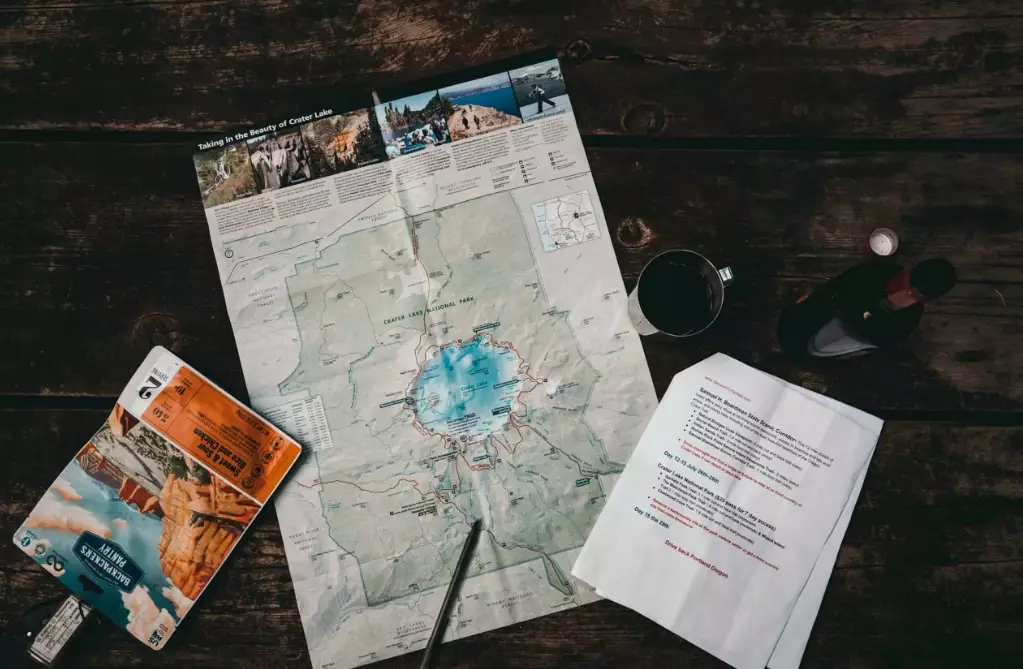
Trail Selection Quick Check
Ask yourself: Do I want community (AT) or solitude (CDT)? Can I handle significant snow travel (PCT SOBO, CDT)? Is easy resupply a priority (AT) or am I okay mailing boxes (parts of PCT/CDT)? Your answers will point you in the right direction.
Step 2: Gear That Won't Break Your Back (or Spirit)
Gear talk is endless, but most beginners obsess over the wrong things. They chase the lightest base weight while forgetting about "consumable weight"—food and water. Carrying six days of food at 1.5 lbs per day adds 9 lbs. A poor water carry strategy can mean 10+ lbs. That's where you really feel it.
The Non-Negotiable Big Three
Backpack: Don't buy it first. Choose your shelter and sleep system, then get a pack that fits them. A 60-70 liter pack is the sweet spot for most. Go try them on with weight. An ill-fitting pack is torture.
Shelter: Trekking pole tents (like from Zpacks or Tarptent) save weight. A good tarp and bivy is even lighter but less forgiving in bugs or rain. Ask: How much time will I spend hiding in this from storms?
Sleep System: A quilt is generally lighter and more versatile than a mummy bag for side sleepers. Your sleeping pad's R-value is critical. A 20°F quilt with a pad rated R=4 is a safe, versatile start for three-season hiking.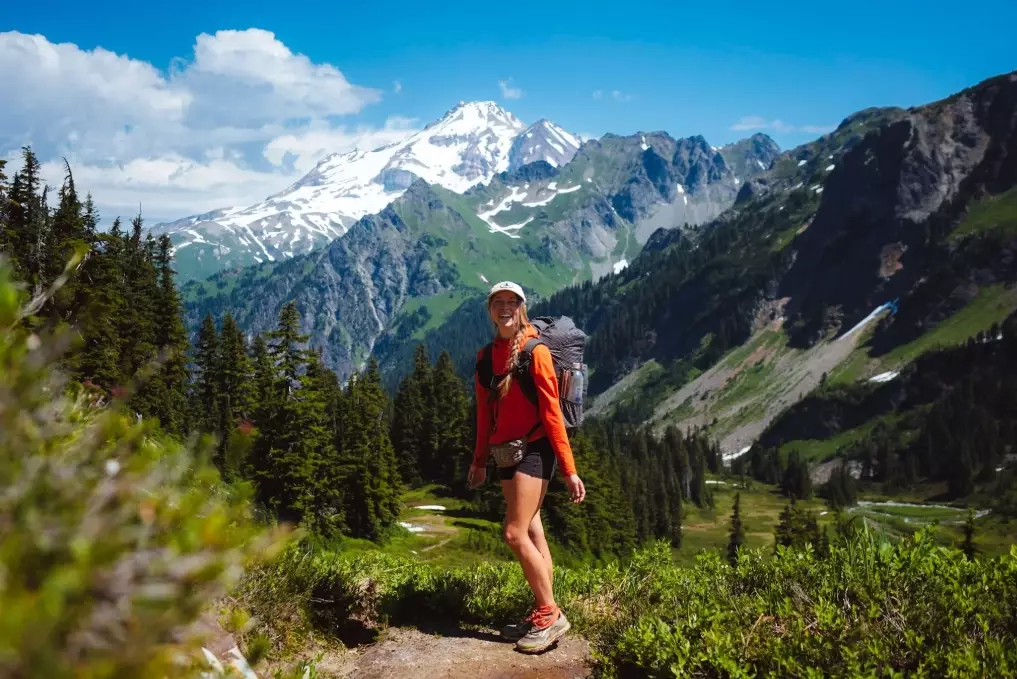
| Gear Category | Pro-Tip (The Common Mistake) | Budget-Friendly Option |
|---|---|---|
| Footwear | Trail runners over boots for 90% of hikers. They dry fast, are lighter, and reduce blisters. Size up 1-1.5 sizes for swelling. | Altra Lone Peak or Brooks Cascadia. Test multiple brands. |
| Rain Gear | A waterproof/breathable jacket is fine, but in sustained rain on the AT, you *will* get wet from sweat or rain. Embrace it. Quick-dry layers are key. | Frogg Toggs. They're cheap, light, and work until they inevitably tear. |
| Cooking | Canister stoves are simple. But on long stretches like the CDT Basin, a remote canister is a crisis. Know your trail's fuel availability. | BRS-3000T stove. Tiny, cheap, and paired with a Toaks 750ml pot. |
Step 3: Training Your Body for the Reality of Miles
You can't gym-train for a thru-hike. The only real training is hiking with weight. But most people neglect two things: downhill conditioning and feet.
Downhills destroy quads and knees. My first big hike, my knees were screaming by day three because I only trained on stairmasters (up). Start doing step-downs, lunges, and hike actual hills with your loaded pack. Your feet are your foundation. Walk. A lot. In the shoes you'll wear. Build calluses slowly. Learn how to tape hotspots before they become blisters. Leukotape is a religion for a reason.
Here's a brutal truth you won't see in most guides: Your first two weeks will suck. Your body will revolt. This is normal. The goal of pre-hike training isn't to avoid this, but to survive it without injury. Start with weekend shakedown hikes. Sleep in your shelter. Cook with your stove. This is where you find out your pot handle gets too hot or your sleeping pad slips.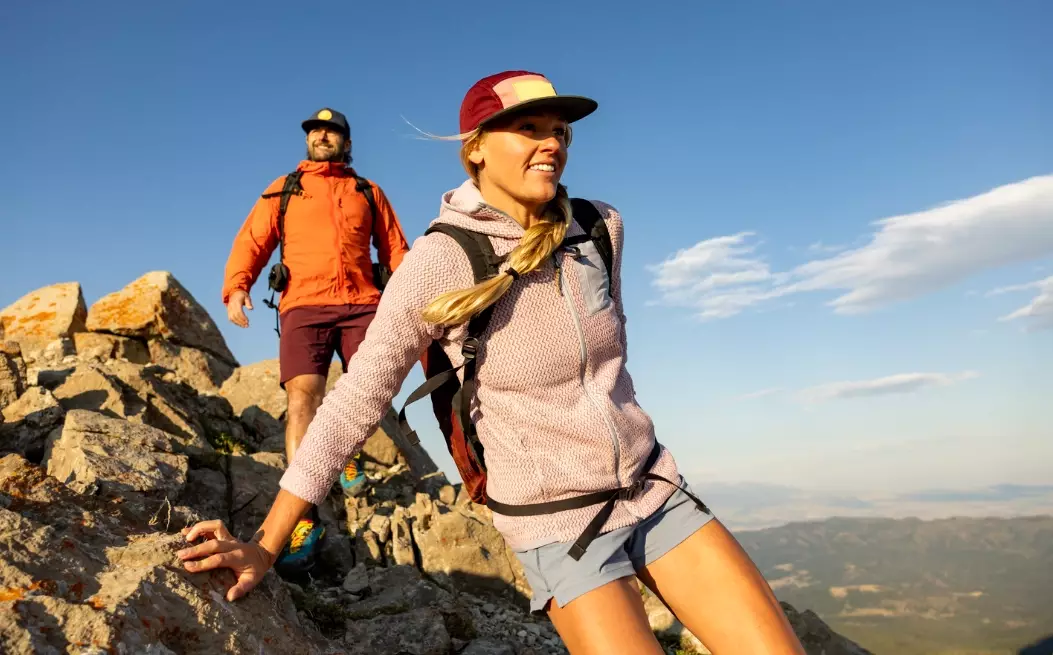
Step 4: Mastering the Art of Resupply
Resupply is the logistical heart of your hike. The debate is always: buy as you go, or mail drop boxes?
Buying as you go offers flexibility. You crave what you crave. But selection in small trail towns can be awful and expensive (think $8 for a box of old mac and cheese).
Mail drops ensure you have your favorite foods, specific gear replacements, and treats. But they lock you into a schedule. Missing a post office because you got held up by weather is a major headache.
The expert move? A hybrid approach. For major trails, the community has this down to a science. For example, on the PCT northbound:
- Send boxes to: Warner Springs (mile 109), Kennedy Meadows (mile 702 - for your Sierra gear), Sierra City (mile 1197). Places with limited stores.
- Buy in town at: Idyllwild, Bishop, South Lake Tahoe, Bend. Towns with good grocery stores.
Use general delivery: Your Name, General Delivery, Town, State, ZIP Code. Hold for PCT Hiker. Call the post office ahead to confirm hours. The USPS Post Office Locator is essential.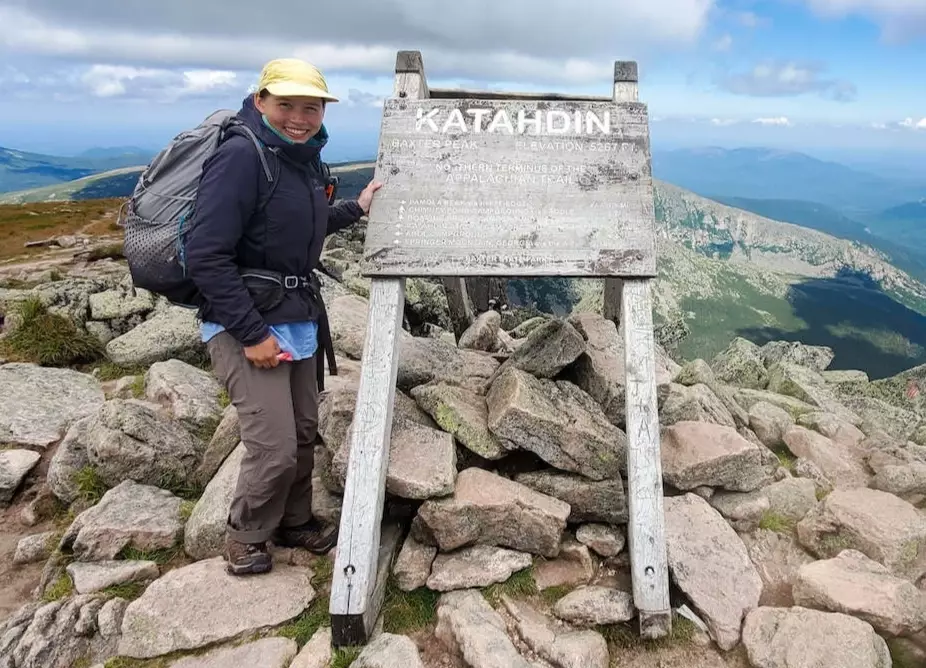
Step 5: Budgeting & The Right Mindset
Budget about $1,000 - $1,500 per month on trail, excluding gear. It goes on motels (you'll want them), town food (you'll crave it), and the occasional unplanned shuttle. Have a buffer. Something will break.
Mindset is everything. You will have bad days. Rain for a week, endless mosquitos, a nagging ache. The hikers who finish aren't the strongest; they're the most adaptable. They know how to turn a miserable day into a story. They practice gratitude for the simple things: dry socks, a warm meal, a view after a climb.
Don't romanticize it. It's hard. That's okay. The challenge is the point. You're not on vacation; you're on a journey. There's a difference.
Thru-Hiker FAQ: Real Questions, Real Answers
 How do I handle hygiene and periods on a months-long trail?
Reader Comments