You've picked a trail, the weather looks good, and you're ready for an adventure. But then the doubt creeps in. Did I pack enough water? Are these shoes okay? What if I get lost? That nervous excitement is normal, but it often comes from a lack of a solid day hike preparation system. I've seen too many people turn a beautiful day into a miserable slog—or worse, a dangerous situation—because they skipped a few key steps. After over a decade of hiking everything from local hills to alpine passes, I've learned that the magic isn't just in the summit view; it's in the confidence that comes from knowing you're prepared for anything. This guide isn't just a list of things to bring. It's the mindset and the actionable steps that separate a good hike from a great one, and a safe return from an avoidable mishap.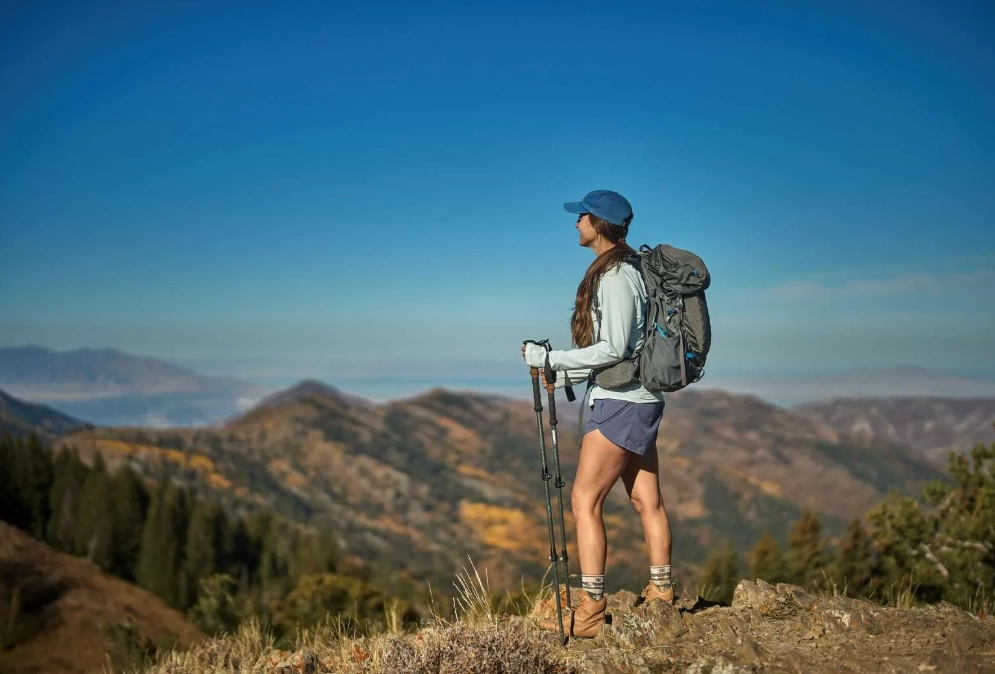
Your Quick Trail Map
How to Plan Your Day Hike Route
This is where most mistakes happen. People see a cool photo online and just go. Don't be that person. A little research prevents a lot of pain.
First, be brutally honest about your fitness level. A "moderate" 8-mile loop with 2,000 feet of elevation gain is a different beast than a flat 8-mile stroll. Websites like AllTrails are great, but don't just look at the star rating. Read the most recent reviews. Someone last week might mention that a key bridge is out or that the trail is overgrown. Check the official land manager's site too—the National Park Service or US Forest Service pages have the most authoritative info on closures, permits, and bear activity.
Here's a specific example: Let's say you want to hike to a lake in a national forest. Your research should tell you:
- Trailhead location and parking: Is there a fee? Does the lot fill up by 7 AM? (It often does).
- Total distance and elevation: Map it yourself using the app's tools. Don't rely on the title.
- Estimated time: The rule of thumb is 2 miles per hour, plus 30 minutes for every 1,000 feet of ascent. Add extra for breaks and photos.
- Weather forecast for the trailhead AND the summit: They can be wildly different. A sunny start can lead to a windy, cold peak.
Finally, tell someone your plan. Text a friend or family member the trail name, your start time, and when you expect to be back. It's the simplest, most overlooked safety step.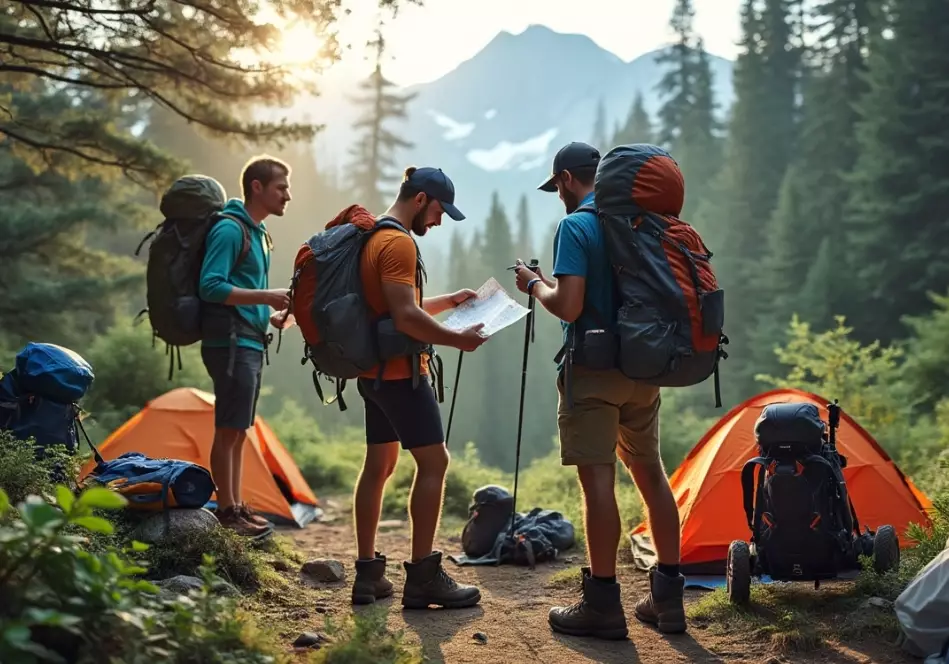
The Non-Negotiable Day Hike Gear Checklist
You don't need a $500 backpack, but you do need the right items. This is your core day hike checklist. Forget one, and you might be okay. Forget several, and you're asking for trouble.
| Item | Why It's Essential | Pro Tip / Common Mistake |
|---|---|---|
| Backpack (20-30L) | Carries everything comfortably. Hip belts distribute weight. | Avoid drawstring bags or fashion backpacks. They're uncomfortable and lack organization. |
| Water & Filtration | Dehydration ruins hikes fast. You need more than you think. | Carry 2 liters minimum. Add a lightweight filter (like Sawyer Squeeze) for longer hikes to refill from streams. |
| Navigation (Map & Compass) | Phones die, get dropped, or lose signal. Paper doesn't. | Print a map from the park website or buy a topographic one. Know how to read it. |
| Headlamp/Flashlight | A sprained ankle can turn a 4-hour hike into an 8-hour ordeal. | Check the batteries before you go. A small, 100-lumen headlamp is perfect. |
| First Aid Kit | For blisters, cuts, scrapes, and headaches. | Don't buy a bulky kit. Assemble your own with blister pads, gauze, antiseptic wipes, pain relievers, and personal meds. |
| Multi-tool/Knife | Fixing gear, cutting tape or cord, preparing food. | A small, simple one is fine. You're not building a shelter. |
| Fire Starter | Emergency warmth and signaling. | Waterproof matches or a lighter in a zip-lock bag. Add a few cotton balls soaked in petroleum jelly as a foolproof fire starter. |
| Emergency Shelter | Protection from wind/rain if you're stuck overnight. | A lightweight emergency bivvy or even a large trash bag can be a lifesaver. It weighs almost nothing. |
| Sun Protection | Sunburn and glare are exhausting and dangerous. | Sunscreen (SPF 30+), lip balm with SPF, sunglasses, and a hat. Reapply sunscreen every 2 hours. |
| Extra Food & Clothes | Unexpected delays happen. You'll get colder when you stop. | Pack an extra energy bar and a lightweight, warm layer like a fleece or puffy jacket, even on a warm day. |
This list is based on the classic "Ten Essentials," adapted for a modern day hike preparation context. It all fits easily in a mid-sized pack.
Choosing Your Hiking Clothing: The Layering System
Forget wearing a cotton t-shirt and jeans. Cotton absorbs sweat, holds it against your skin, and makes you cold—a recipe for hypothermia, even in mild weather. The secret is layering with synthetic or wool fabrics.
Base Layer (The Wicking Layer)
This sits against your skin. Its job is to pull moisture (sweat) away. A polyester or merino wool shirt is ideal. I prefer merino for its natural odor resistance—you can wear it for days without it smelling.
Mid Layer (The Insulating Layer)
This traps warmth. A fleece jacket or a lightweight down/synthetic puffy is perfect. On cooler days, I start with this in my pack and put it on at the first rest stop when my body cools down.
Outer Layer (The Shell Layer)
This protects from wind and rain. A waterproof, breathable jacket is a worthy investment. Don't rely on a cheap plastic poncho in serious weather; it'll tear and leave you soaked.
For bottoms, hiking pants or leggings made of quick-dry material are best. Shorts are fine, but consider the brush and bugs on the trail. And your feet? Wool or synthetic socks are non-negotiable. Pair them with broken-in hiking shoes or boots. Blisters are the number one hike-ruiner, and they're almost always caused by the wrong socks or ill-fitting shoes.
The One Thing Most Hikers Forget: A second pair of socks. Stash a dry pair in your pack. Changing into them halfway through a hike, especially if your feet get wet crossing a stream, feels like a miracle and prevents hot spots from turning into blisters.
Fueling Your Hike: Food and Water Strategy
Hiking burns serious calories. You need constant, easy fuel, not one big lunch.
For food, think snacks, not a sandwich. Eat small amounts every 45-60 minutes. Good options are nuts, trail mix, energy bars (like Clif Bars or PROBAR), dried fruit, and jerky. For lunch, I keep it simple: a wrap, some cheese, and maybe an apple. Avoid anything greasy or that might spoil easily.
Water is your most critical resource. The "drink when you're thirsty" rule doesn't cut it when you're active. A good goal is about half a liter per hour of moderate activity, more if it's hot or steep. If your urine is dark yellow, you're already behind.
On a recent hike in Zion National Park's desert heat, I carried 3 liters and drank every single drop. My companion, who brought only one large bottle, was struggling with cramps and fatigue by mile four. We had to share my water and cut the hike short. Carry more than you think you'll need, and know where your potential refill points (streams, lakes) are—and always treat that water with a filter or purification tablets.
Safety and Navigation: Beyond the Smartphone
Your phone's GPS is a fantastic tool, but it's a supplement, not a primary. I've watched too many people stare at a blank screen in a panic because their battery died.
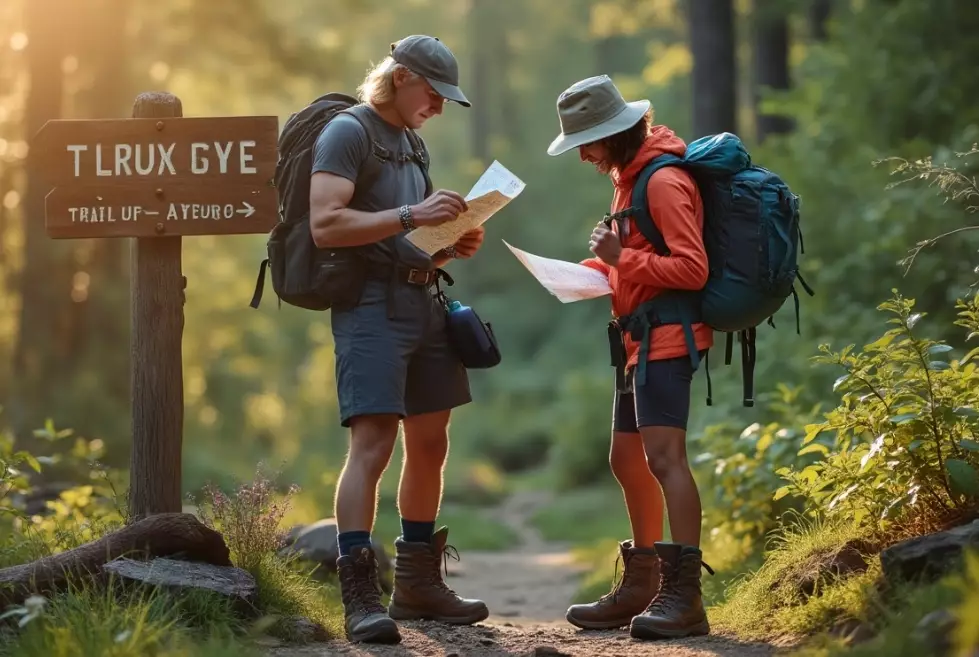
Download the trail map for offline use in apps like Gaia GPS or AllTrails. This is crucial. But also, carry a physical map and a compass. Practice identifying a few landmarks on the map before you go. Where is the big peak relative to the trail? Where does the river cross?
Other safety basics: Know the wildlife. Are there bears? Carry bear spray and know how to use it. Are there ticks? Do a check at the end of the day. Listen to your body. A sharp knee pain isn't something to "push through." It's your body saying to turn around.
The most common emergency? Getting lost or delayed. If you realize you're off-trail, stop immediately. Don't just keep walking, hoping it'll reconnect. Retrace your steps to the last known trail marker. If you're truly lost, stay put, use your emergency shelter, and make yourself visible.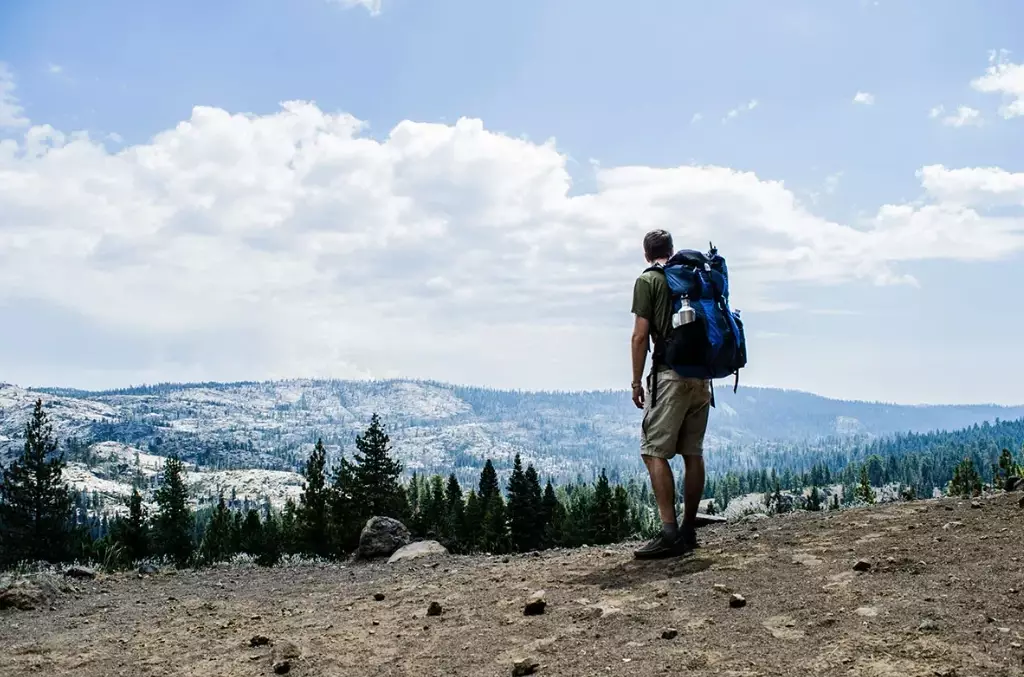
On the Trail: Etiquette and Leaving No Trace
Good preparation also means respecting the trail and others.
- Right of Way: Uphill hikers have the right of way (it's harder for them to restart). Step aside.
- Yield to Horses: Step off the trail on the downhill side and speak calmly as they pass.
- Leave No Trace: Pack out ALL your trash, including fruit peels and nut shells. They don't decompose quickly and aren't natural to the area. Stay on the designated trail to prevent erosion.
- Passing: Announce yourself politely with a "Hello, passing on your left."
It's simple: leave the place better than you found it.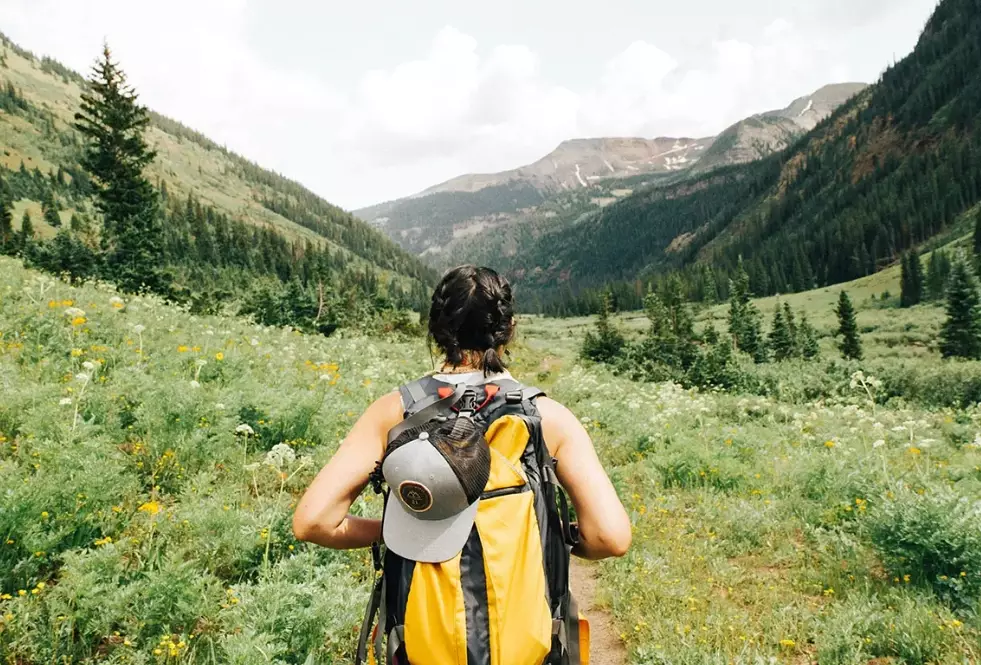
Your Hiking Questions, Answered
I'm a total beginner. What's the easiest mistake to avoid on my first day hike?
Overestimating your distance. Pick a trail under 5 miles with minimal elevation gain for your first few outings. The goal is to finish feeling good, not destroyed. The second biggest mistake is wearing cotton jeans and sneakers with no grip. You'll be uncomfortable and slip on loose gravel.
Can I wear cotton for hiking if it's just a short, easy trail?
I strongly advise against it, even for short hikes. Weather can change quickly, and cotton's inability to wick moisture means if you sweat or get caught in a light rain, you'll stay wet and cold. That damp chill is the primary driver of early-stage hypothermia. A $20 synthetic athletic shirt from a discount store is a far safer and more comfortable choice.
 How do I deal with blisters while on the trail?
The moment you feel a "hot spot"—a rubbing, burning sensation—stop. Don't wait for it to become a full blister. Cover it immediately with a piece of moleskin or a specialized blister pad from your first aid kit. Change into your dry backup socks. This simple act, taking 2 minutes, can save you from weeks of pain.
Is it safe to hike alone?
It carries more risk, but many people do it safely. If you hike solo, you must be meticulous about your preparation: your route planning, your gear, and your communication. Always tell someone your detailed plan and check-in time. Stick to popular, well-marked trails at first. Carry a personal locator beacon (PLB) or satellite messenger for remote areas. Personally, I enjoy solo hikes for the solitude, but I double-check every item on my checklist.
What's the one piece of gear worth splurging on for a beginner?
Your footwear. Don't hike in running shoes or old sneakers. Visit a reputable outdoor store, get your feet measured, and try on several pairs of hiking shoes or boots with the socks you plan to wear. A good fit with proper ankle support and grip will prevent countless problems. Everything else can be budget-friendly, but skimping on shoes is asking for a miserable experience.
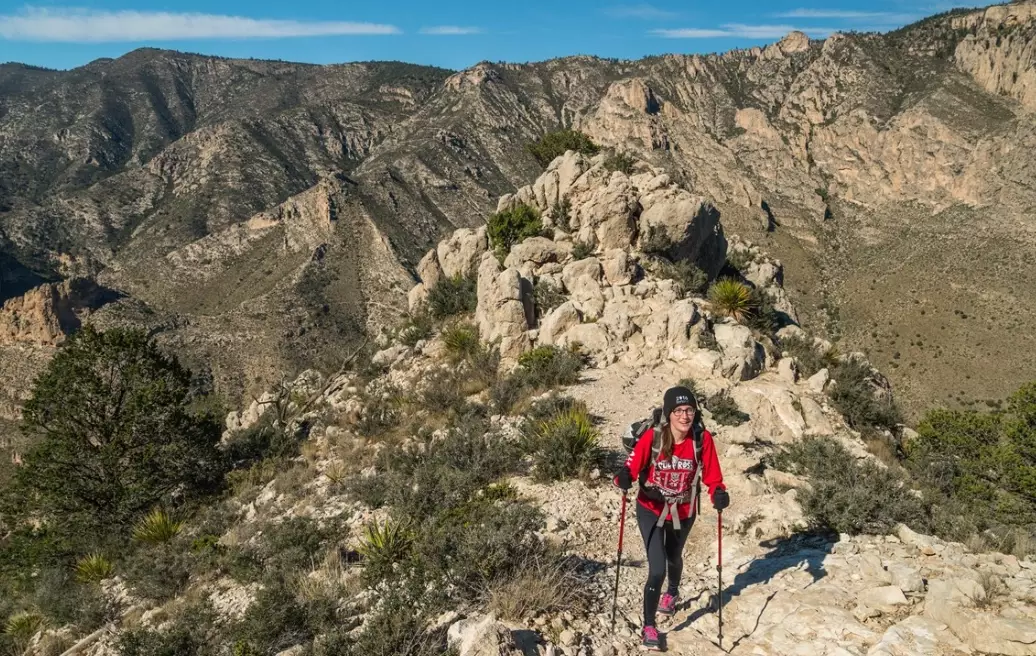 Preparation might seem like a chore, but it's the ticket to freedom on the trail. When your gear is dialed in, your route is clear, and your pack is stocked, you can stop worrying and start experiencing—the smell of pine, the crunch of gravel underfoot, the quiet that only exists miles from a road. That's the real goal. Now get out there and hike smart.
Reader Comments