Most travelers hit Sapporo for the beer, Otaru for the canal, and Furano for the lavender. I did too, until I got lost on a backroad near Biei and stumbled upon a family-run soba shop that changed how I see Hokkaido. That's what hidden gems are about—spots that don't make the glossy brochures but offer raw, authentic experiences. If you're tired of crowds and want to see Hokkaido like a local, you're in the right place. This guide dives deep into secret natural wonders, eateries, and stays that most tourists miss, with actionable details to plan your trip.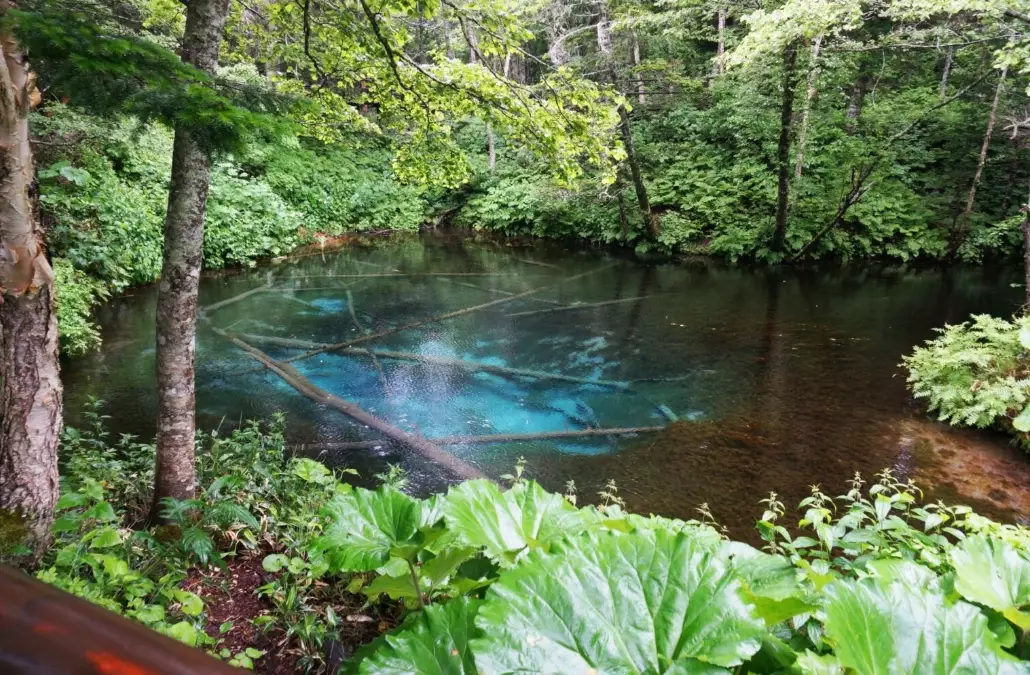
Jump to Your Favorite Section
Top Hidden Natural Spots in Hokkaido
Hokkaido's famous for its national parks, but the real magic lies in lesser-known corners. I've spent years exploring, and here are my top picks—places where you might not see another soul for hours.
Shikaribetsu Ice Village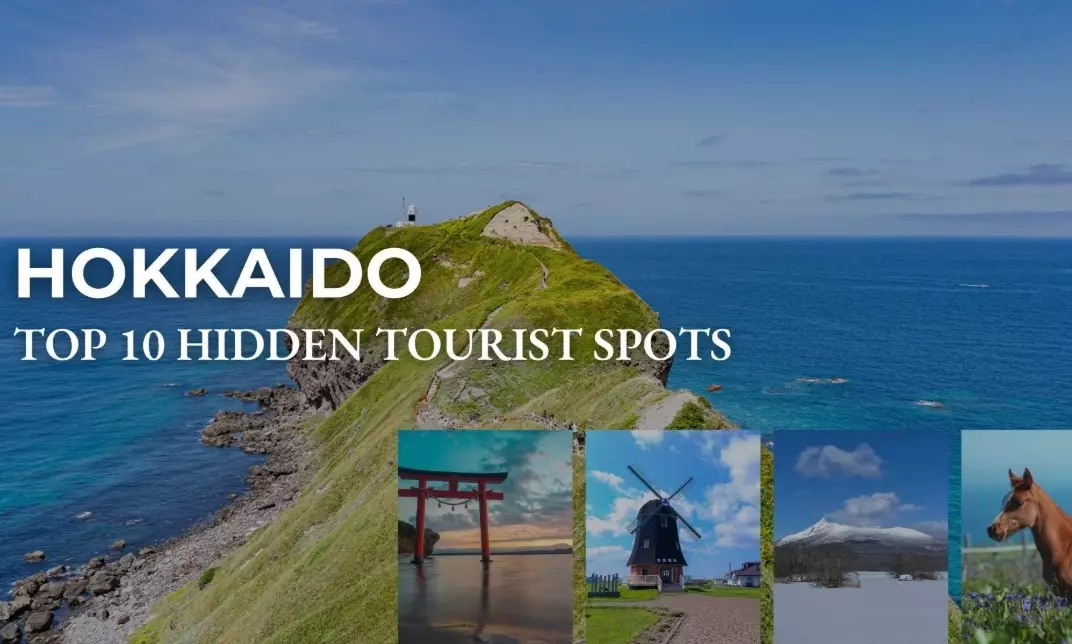
Forget the crowded ice festivals. Shikaribetsu Ice Village, near Lake Shikaribetsu, is a seasonal wonder built entirely from ice each winter. It's quieter than Sapporo's Snow Festival but just as stunning. You can stay in an ice hotel room (yes, sleep on ice!) or just visit for the day. The address is Shikaribetsu Kohan, Kamishihoro, Kato District, Hokkaido 080-1403. It's open from late January to mid-March, usually 10 AM to 9 PM. Admission costs around 500 yen for adults. To get there, take a train from Sapporo to Obihiro (about 2.5 hours), then a local bus—it's a trek, but worth it. Pro tip: Visit on a weekday to avoid local school groups.
Mount Asahidake Hidden Trails
Everyone hikes Asahidake's main route, but few venture to the secluded Goshiki Onsen area. It's a natural hot spring basin with colorful mineral pools, accessible via a 3-hour hike from the Asahidake Ropeway station. No entrance fee, but the ropeway costs 2,000 yen round-trip. Address it as part of Daisetsuzan National Park. Open year-round, but best from June to October. The trail isn't well-marked, so download a map from the Daisetsuzan Visitor Center website. I once got caught in a sudden fog here—bring a compass and extra layers.
Here's a quick table comparing these spots:
| Spot | Address | Best Time to Visit | Admission Fee | Key Tip |
|---|---|---|---|---|
| Shikaribetsu Ice Village | Shikaribetsu Kohan, Kamishihoro | Late Jan - Mid Mar | ~500 yen | Weekdays are quieter |
| Mount Asahidake Trails | Daisetsuzan National Park | Jun - Oct | Free (ropeway extra) | Carry navigation tools |
| Oshamambe Hidden Waterfall | Near Oshamambe Town, South Hokkaido | May - Nov | Free | Access via gravel road |
Oshamambe Hidden Waterfall isn't even on Google Maps reliably. Locals call it "Shimizu no Taki," and it's a 20-minute walk from a parking spot off Route 230. No facilities, just pure nature. That's the charm—you might have it all to yourself.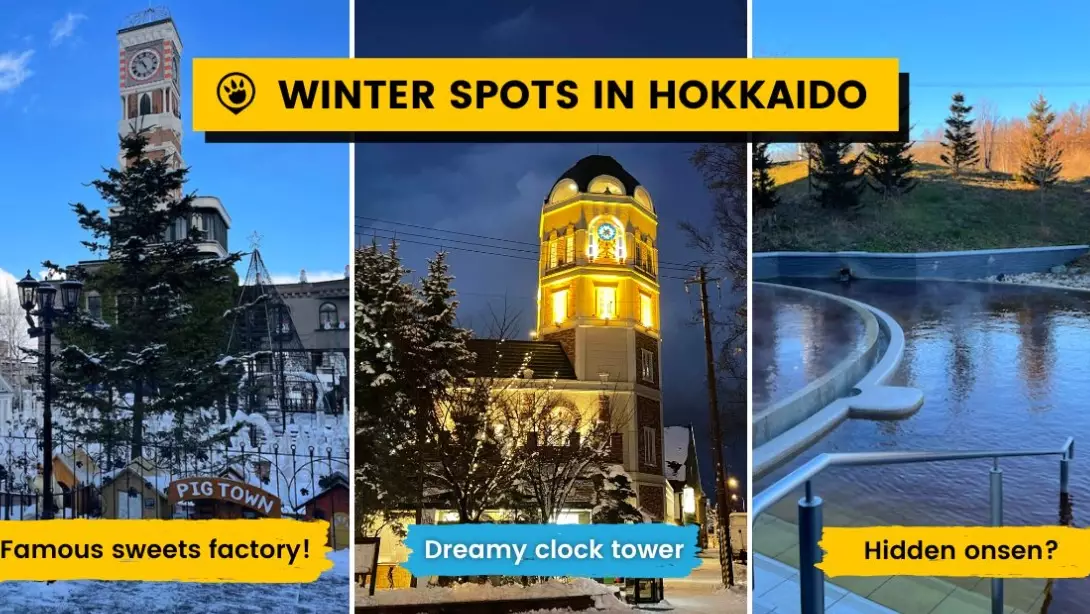
Hidden Food Experiences You Can't Miss
Hokkaido's food scene goes beyond ramen and seafood buffets. The best meals are in unassuming spots where tourists rarely go.
Soba Dokoro Yamazaki in Biei is a perfect example. Tucked away on a farm road, this place serves soba made from buckwheat grown right outside. Address: 11-6 Midorigaoka, Biei, Kamikawa District, Hokkaido 071-0204. Open 11 AM to 3 PM, closed Wednesdays. A bowl costs about 800 yen. No English menu, but point to the tempura soba—it's heavenly. I've seen people drive hours for it.
In Sapporo, skip the Ramen Alley. Head to Sumire Ramen's original location in Misono. It's smaller, with queues of locals. Address: 3-8-1 Misono, Minami-ku, Sapporo, Hokkaido 005-0840. Open 11 AM to 3 AM daily. Miso ramen is around 900 yen. The broth is richer than the tourist spots, and the staff might chat if you try some Japanese.
Here's a mistake I made: assuming all izakayas in Otaru are overpriced. Venture two blocks back from the canal to Kukuru, a tiny bar with fresh squid sashimi for 500 yen. Address: 1-2-3 Ironai, Otaru, Hokkaido 047-0031. Opens at 5 PM. It's cash-only and seats only ten, so go early.
Unique Accommodation Off the Beaten Path
Forget chain hotels. Stay in a minshuku (family-run guesthouse) or a remote onsen ryokan for real immersion.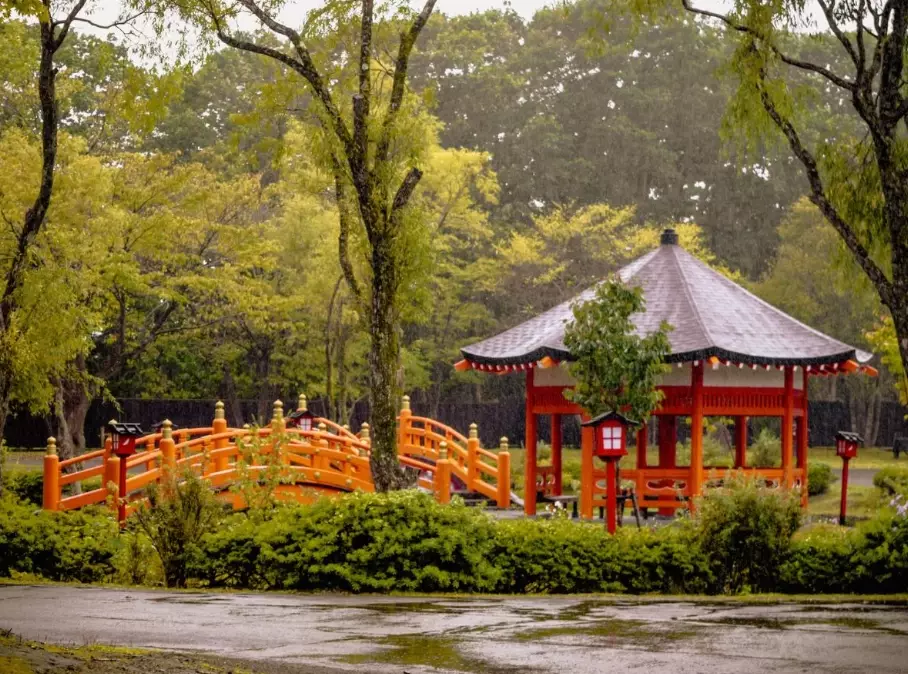
- Yumoto Ginsuiso in Noboribetsu: Away from the crowded onsen town, this ryokan has private outdoor baths with forest views. Address: 224 Noboribetsuonsencho, Noboribetsu, Hokkaido 059-0551. Rates start at 15,000 yen per person with meals. Book months ahead—it's popular with Japanese couples. The kaiseki dinner uses local wild plants.
- Minshuku Seicom in Rausu: On the Shiretoko Peninsula, this is for wildlife lovers. Address: 307-2 Rausucho, Menashi District, Hokkaido 086-1822. Around 8,000 yen per night with breakfast. You can join morning boat tours to see orcas. The owner speaks basic English and shares stories about brown bears.
I stayed at a converted school in Shimukappu Village once. It's now Hotel Schule, with rooms in old classrooms. Quirky, but the onsen is fed by a local hot spring. Address: 237-1 Shimukappu, Yufutsu District, Hokkaido 079-2204. Prices vary from 10,000 to 20,000 yen. Not for luxury seekers—the walls are thin, but the experience is unique.
How to Plan Your Hidden Gems Itinerary
Planning is key because these spots aren't well-connected. Rent a car—it's non-negotiable for most hidden gems. Toyota Rent-a-Car in Sapporo offers good rates, around 6,000 yen per day. Use a GPS with offline maps; cell service drops in mountains.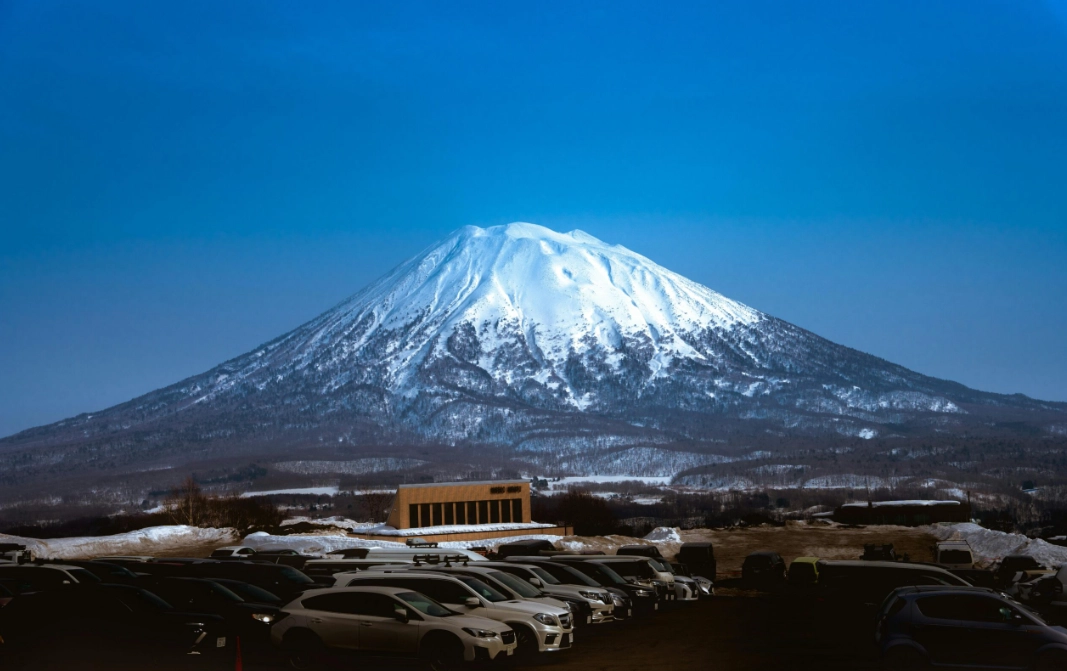
Here's a sample 5-day itinerary focusing on hidden gems:
- Day 1: Arrive in Sapporo, pick up car. Drive to Biei (2 hours). Visit Soba Dokoro Yamazaki for lunch. Hike around secret blue ponds off Route 966. Stay at a farmstay in Biei.
- Day 2: Drive to Daisetsuzan (3 hours). Hike Mount Asahidake hidden trails. Soak in Goshiki Onsen. Overnight at a minshuku in Asahidake Onsen town.
- Day 3: Head to Shikaribetsu (4 hours). Explore Ice Village. Stay in the ice hotel or a nearby ryokan like Shikaribetsu Kohan Hotel.
- Day 4: Drive to Rausu (5 hours). Whale watching tour next morning. Stay at Minshuku Seicom.
- Day 5: Return to Sapporo, with stops at Oshamambe waterfall if time allows.
Budget-wise, expect to spend 30,000 to 50,000 yen per day including car, fuel, mid-range stays, and meals. Winter adds cost for snow tires. Check road closures on the Hokkaido Government's tourism site—some roads close November to April.
Frequently Asked Questions
 Hidden gems in Hokkaido aren't just places; they're experiences that connect you to the land and people. From that soba shop in Biei to the silent ice village, each spot has a story. Use this guide as a starting point, but leave room for your own discoveries. Pack a good map, embrace detours, and you might find your own hidden gem.
Reader Comments