You spend a third of your life asleep. That's a long time to have your head resting on the wrong thing. Choosing the right pillow isn't about picking the fluffiest one on the shelf or the one with the fanciest marketing. It's a biomechanical decision that directly impacts your spinal alignment, sleep quality, and how you feel when you wake up. Most people get it wrong. They buy based on price or brand loyalty, ending up with a pillow that causes neck stiffness, shoulder pain, or disrupted sleep. I learned this the hard way after years of waking up with a stiff neck, thinking it was just stress. It wasn't. It was my pillow.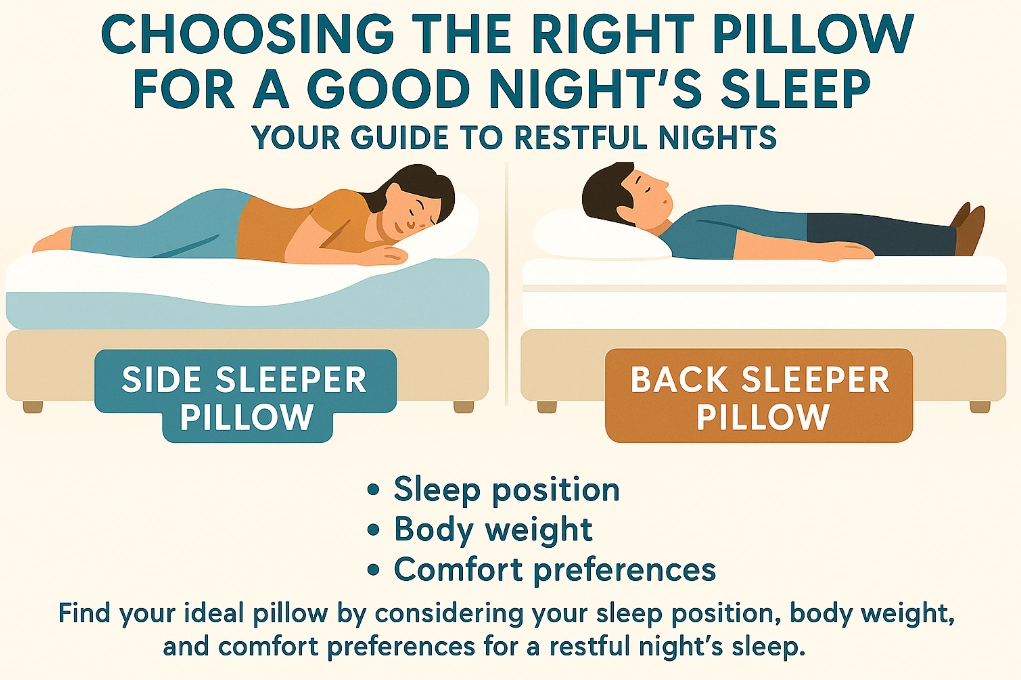
Your Quick Guide to Pillow Nirvana
Why Your Sleep Position is the #1 Factor
Forget material for a second. The single biggest mistake is ignoring how you actually sleep. A pillow's job is to keep your head and neck in a neutral line with your spine. That required height and firmness changes dramatically depending on whether you're on your back, side, or stomach.
I used to think I was a back sleeper. A sleep tracking app showed I spent half the night on my side. No wonder my medium-loft pillow felt wrong.
Side Sleepers: You Need the Most Support
This is the most common position. Your shoulder creates a gap between your head and the mattress. A pillow for side sleepers must be firmer and have higher loft (height) to fill that space and prevent your neck from bending sideways.
Look for: Contoured memory foam, firm latex, or high-loft shredded foam pillows. Brands like Coop Home Goods (adjustable shredded foam) or Tempur-Pedic (contoured memory foam) are popular here.
Back Sleepers: Medium Support is Key
You need a medium loft pillow. Too high, and your chin tucks toward your chest, straining your neck. Too low, and your head tilts back, which can aggravate snoring.
A medium-firm memory foam pillow with a slight contour or a down-alternative pillow works well. The goal is to cradle the natural curve of your cervical spine.
Stomach Sleepers: The Low-Profile Club
Frankly, this is the toughest position for spinal health. You need a very soft, very low-loft pillow, or even no pillow under your head. A thick pillow forces your neck into extreme rotation. A thin, soft down or feather pillow is your best bet, or just sleep with your head directly on the mattress.
Pillow Fillings Decoded: Memory Foam, Latex, Down & More
Once you know your position, material determines feel, durability, and temperature. Here’s the real-world breakdown, not just the marketing copy.
| Material | Best For | Feel & Support | Care & Durability | Price Range |
|---|---|---|---|---|
| Memory Foam | Side & back sleepers, neck pain | Contours closely, pressure-relieving, can sleep "hot" | Spot clean, non-machine washable. Lasts 2-3 years. | $50 - $200 |
| Shredded Memory Foam | All positions (adjustable), hot sleepers | Moldable, adjustable loft, better airflow | Often machine washable cover. Lasts 2-4 years. | $60 - $150 |
| Latex (Dunlop or Talalay) | Back & side sleepers, eco-conscious buyers | Bouncy, supportive, naturally cool and hypoallergenic | Very durable (3-5+ years). Usually spot clean. | $100 - $300+ |
| Down & Feather | Back & stomach sleepers, luxury feel | Soft, moldable, excellent temperature regulation | Professional cleaning recommended. Can last decades. | $100 - $500+ |
| Down Alternative | Allergy sufferers, budget-conscious | Soft, hypoallergenic, can flatten over time | Usually machine washable. Lasts 1-3 years. | $30 - $100 |
| Buckwheat Hull | Side sleepers, those seeking firm support | Very firm, adjustable, excellent airflow, noisy | Long-lasting (5+ years). Hulls can be replaced. | $80 - $200 |
My personal journey went from down (too soft, triggered allergies) to cheap memory foam (too hot, felt like quicksand) to finally landing on a shredded latex pillow. It’s cool, supportive, and I can adjust the fill. It wasn't the cheapest option, but the cost per night of good sleep makes it worth it.
The Height & Loft Guide Most People Ignore
Loft is just a fancy word for height. Your body size matters here. A broad-shouldered side sleeper needs a much higher loft than a petite one. Most pillows come in low, medium, and high. Here’s a simple guide:
- Side Sleepers: Look for a loft of 4 to 6 inches. The wider your shoulders, the closer to 6 inches you'll need.
- Back Sleepers: Aim for 3 to 5 inches. It should fill the space without pushing your head forward.
- Stomach Sleepers: Less than 3 inches, or just a very soft, compressible pillow.
An adjustable fill pillow (shredded foam or microfiber) is a brilliant solution here. You can add or remove filling to get the perfect height, which is impossible with a solid block of foam. This is my top recommendation for anyone unsure or who shares a bed with a partner who has different needs.
Pillows for Specific Needs: Pain, Allergies, Hot Sleepers
Sometimes a standard pillow isn't enough. If you have a specific issue, target it directly.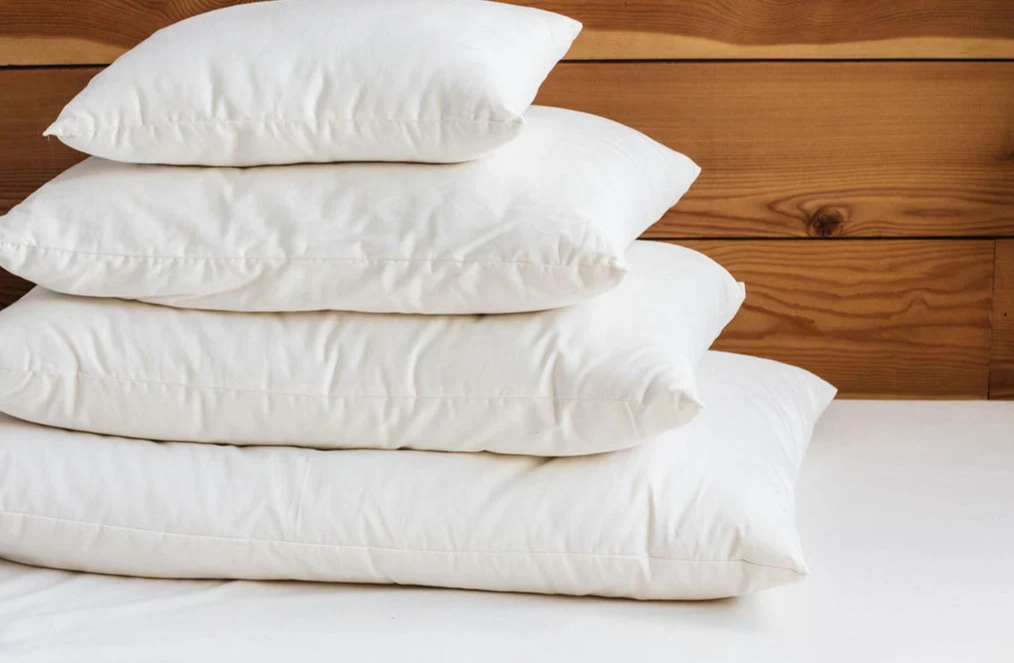
For Neck & Shoulder Pain
Look for orthopedic or contour pillows. These have a curved design with a depression for your head and raised edges to support your neck. They force proper alignment. Brands like Tempur-Pedic’s Neck Pillow or therapeutically designed ones from companies like Mediflow (water-based) are popular. Research from the National Institutes of Health suggests contour pillows can be more effective for chronic neck pain than standard pillows. But they have a breaking-in period—don't give up after one night.
For Allergy Sufferers
Skip down and feathers. Look for hypoallergenic certifications. Latex and memory foam are naturally resistant to dust mites. For synthetic fills, ensure the cover is tightly woven. A zippered, washable allergen-proof cover is a must, regardless of pillow type.
For Hot Sleepers
Memory foam is notorious for trapping heat. Look for gel-infused memory foam, latex (which has natural air channels), or shredded fill pillows that promote airflow. Phase-change material covers exist but can be gimmicky. Breathability is key.
How to Test and Buy Your Perfect Pillow
You can't truly test a pillow in a store aisle by pressing your hand on it. But you can be smart about the process.
1. Read Return Policies Religiously. The best online retailers (like many on Amazon, Brooklyn Bedding, or Coop) offer sleep trials of 30 to 100 nights. This is non-negotiable. You need to sleep on it for at least two weeks to adjust.
2. Consider Your Mattress. A soft mattress will make you sink in more, potentially needing a lower-loft pillow. A firm mattress might require more pillow height. They're a system.
3. Don't Skimp, But Price Isn't Everything. A $30 pillow will likely flatten in months. But a $300 down pillow isn't automatically better for a side sleeper with neck pain. Match the investment to the problem you're solving.
4. The Two-Pillow Strategy. I keep a firm latex pillow for side sleeping and a thinner down-alternative one for when I end up on my back. It’s not crazy.
When your new pillow arrives, give it 48 hours to expand fully (especially memory foam). Sleep on it for at least 10-14 nights. Your body needs time to adapt to proper alignment if it's been off for years.
Your Pillow Questions, Answered
I'm a side sleeper and my arm keeps going numb under the pillow. What's wrong?
Your pillow loft is almost certainly too low. Your head is sinking down, putting pressure on the nerves and blood vessels in your shoulder and arm. You need a higher, firmer pillow to keep your head elevated above your shoulder line. Try hugging a second, thin pillow to keep your top arm and shoulder aligned, which also helps.
How often should I really replace my pillow?
The "every 1-2 years" rule is a decent average, but it depends on material and care. A high-quality latex or buckwheat pillow can last 5 years. Down can last decades with proper care. The real test: fold your pillow in half. If it doesn't spring back, it's dead. Also, if you wake up with more congestion or allergies, it might be harboring dust mites and needs replacing or a deep clean.
 Are cooling pillows just a marketing gimmick?
Not entirely, but the effect is often subtle. Gel-infused memory foam does feel cooler to the touch initially. Pillows with phase-change materials in the cover can absorb heat. However, the most effective cooling comes from breathable materials and structures—latex, shredded fills, open-cell foams, and moisture-wicking covers (like Tencel or cotton). Prioritize breathability over a "cooling" label.
Can a good pillow actually help with snoring?
It can help, especially if the snoring is related to positional issues. For back sleepers, a pillow that is too high or too low can kink the airway. A pillow that promotes better alignment—keeping the head in a neutral position—can reduce mild snoring. For side sleepers, proper support can prevent the jaw from falling open. However, for significant snoring or sleep apnea, consult a doctor. A pillow is a tool, not a cure.
What's the deal with pillow protectors? Do I need one?
Absolutely. Think of it as a raincoat for your pillow. A high-quality, zippered, allergen-proof protector (not just a decorative case) shields your investment from sweat, oils, skin cells, and dust mites. It extends the pillow's life dramatically, keeps it cleaner, and is much easier to wash weekly than the pillow itself. It's the single most cost-effective accessory you can buy.
 Choosing the right pillow feels like a small decision, but its impact is nightly and cumulative. It's not about finding the "best" pillow in the world, but the best pillow for you—for your body, your sleep habits, and your specific needs. Stop guessing. Use your sleep position as your starting point, understand the materials, and don't be afraid to use a generous sleep trial. Your mornings will change.
Reader Comments