You step off the plane after a long flight, ready to explore. But your body is screaming. It's 3 PM in Paris, but your brain thinks it's 9 AM back home. You're wired at night, dead tired during the day, and your digestion is a mess. That's jet lag. Most advice is generic: "drink water, get sun." It's not wrong, but it's incomplete. After a decade of crossing time zones for work, I've learned the subtle tricks that make the real difference. The goal isn't just to survive; it's to trick your internal clock, your circadian rhythm, into believing it's already at your destination. And you can do it all naturally.
Your Jet Lag Recovery Roadmap
How to Use Light to Fix Jet Lag
Light is the primary driver of your circadian rhythm. Your eyes have special cells that detect blue light and tell your brain's master clock (the suprachiasmatic nucleus) what time it is. Get the light exposure wrong, and you'll prolong your misery. Get it right, and you'll shift faster than you thought possible.
The biggest mistake I see? People think "get sunlight" means any sunlight. The timing and type are everything.
Core Principle: Seek bright light when you want to be awake. Avoid bright light when you want to sleep. To shift earlier (for eastward travel), get morning light. To shift later (for westward travel), get afternoon/evening light.
The Eastward Travel Protocol (Flying to Europe, Asia)
You need to shift your clock earlier. This is generally harder.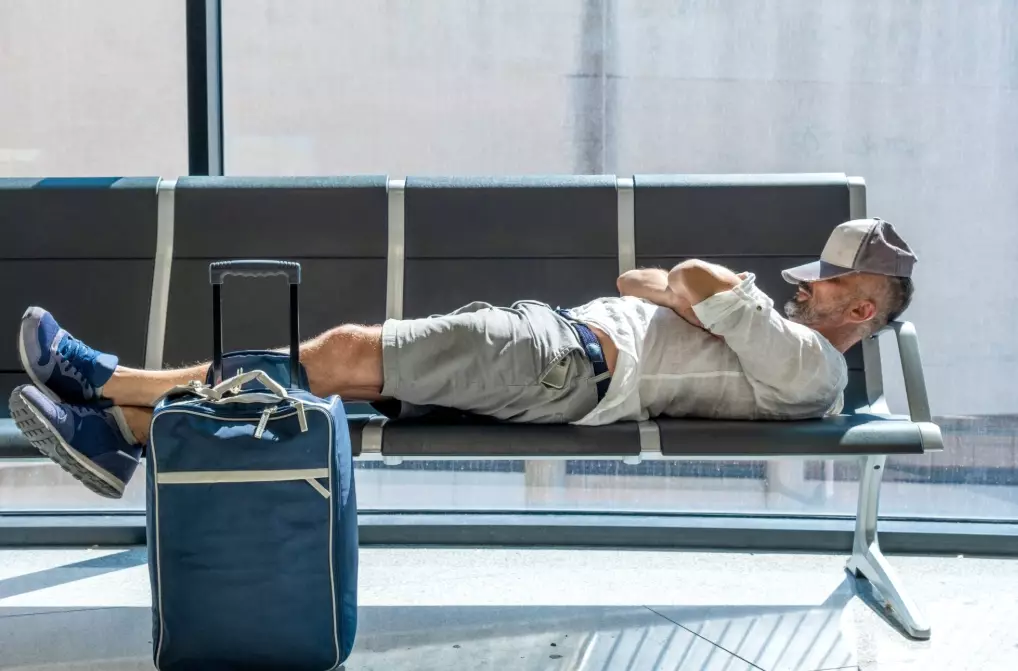
- Before You Fly: For 2-3 days, wake up 30-60 minutes earlier each day and get bright light immediately upon waking. Use a sunrise simulation lamp if it's dark out.
- On Arrival Day: This is critical. If you land in the morning, fight the urge to nap. Go outside and get at least 30 minutes of morning sunlight. If you land in the evening, avoid bright light after sunset. Wear blue-light-blocking glasses.
The Westward Travel Protocol (Flying to the Americas)
You need to shift your clock later. This is easier for most.
- Before You Fly: Stay up a bit later each night for 2-3 days, and get plenty of afternoon light.
- On Arrival Day: If you land in the afternoon, soak up that late afternoon sun. It will signal your body to delay sleep.
What about flights crossing many time zones, like the US to Australia? You might need a combined approach, and light therapy glasses can be a game-changer for precise control, as noted in research from institutions like the National Sleep Foundation.
A Simple Guide for Eastbound vs. Westbound Flights
Let's make this actionable. Here’s a cheat sheet for your first day at the destination.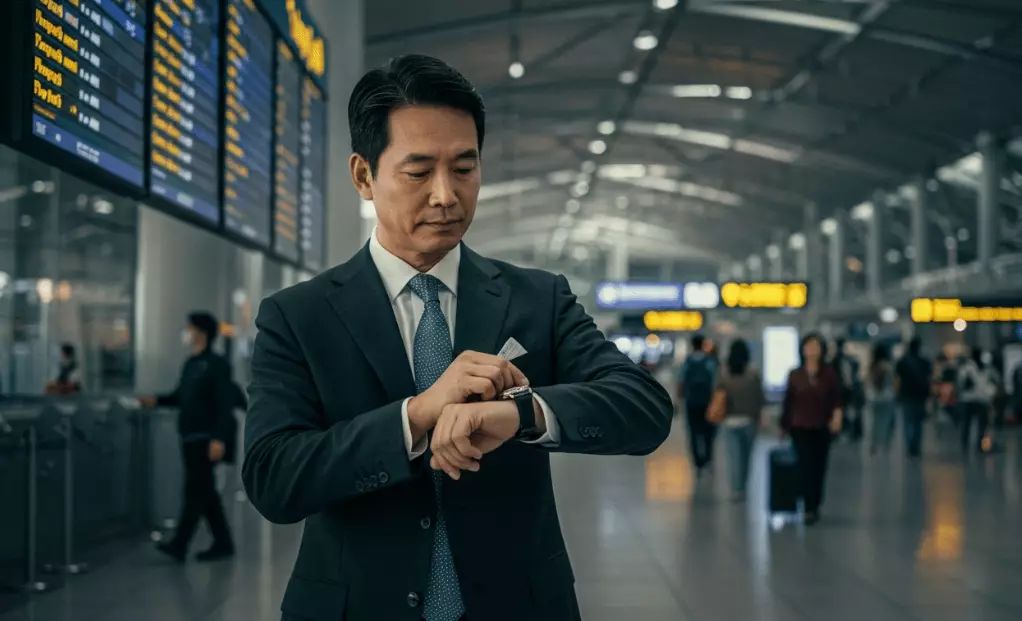
| Time of Day at Destination | Action for Eastbound Travel (e.g., NY to London) | Action for Westbound Travel (e.g., London to NY) |
|---|---|---|
| Morning (6 AM - 10 AM) | SEEK LIGHT. Go outside. No sunglasses for the first 15 mins. | Avoid bright light if you just arrived on a red-eye. Otherwise, normal light is fine. |
| Midday (10 AM - 4 PM) | Light is beneficial. Stay active. | Light is beneficial. Seek afternoon light especially. |
| Evening (4 PM - Sunset) | Light is okay, but start winding down. | SEEK LIGHT. Afternoon/evening light is key to pushing your clock back. |
| Night (After Sunset) | AVOID BRIGHT LIGHT. Dim lights, use blue-blockers on screens. | Limit bright light 1-2 hours before your target bedtime. |
The Forgotten Lever: Meal Timing for Jet Lag
Nobody talks about this enough. Your digestive system has its own circadian clocks. When you eat sends powerful signals. A study in the journal Cell Metabolism showed that restricting food intake to a specific window can help reset peripheral clocks.
Here's my non-consensus take: For the first day, what you eat matters less than when you eat. Don't stress over a perfect diet immediately.
The strategy is called "fasting and feasting."
- During the Flight: Try to mimic the meal times of your destination. If it's nighttime there, skip the plane meal or just have a light snack. A mild fast (12-16 hours) can help your body's clocks "reset."
- First Local Meal: Break your fast with a substantial meal at a normal local breakfast, lunch, or dinner time. This solidifies the new schedule for your liver and gut.
I once flew to Tokyo and forced myself to wait for a proper 7 AM Japanese breakfast. It was brutal, but I had almost zero digestive jet lag, while my colleague who ate plane snacks all night felt off for days.
Crafting a Sanctuary for Sleep
You can do everything right with light and food, but if your hotel room is working against you, you'll lose. Your first night's sleep is crucial for setting the pattern.
Noise and Temperature are your two main enemies. A cool room (around 65°F or 18°C) is ideal for sleep. Pack earplugs. Every time. A white noise app on your phone is a decent backup.
Darkness is non-negotiable. Hotel blackout curtains often have gaps. Use a sleep mask. A really good, contoured one that doesn't press on your eyes. It's the single best travel investment under $30.
What if you just can't sleep? Don't lie there for hours. The anxiety makes it worse. Get up, read a dull book in very dim light for 20 minutes, then try again. This breaks the cycle of frustration.
Natural Supplements and Aids: A Realistic Look
The internet is full of miracle cures. Let's be practical.
Melatonin: The Reset Button
Melatonin is a hormone your body makes at night. Taking a small dose can nudge your clock. The key is tiny dose and perfect timing.
Most pills are 3mg, 5mg, or 10mg. That's often too much. Studies from sources like the National Institutes of Health show 0.5mg to 1mg is often as effective for phase-shifting without causing morning grogginess. Take it 30-60 minutes before your target bedtime at your destination. Use it for the first 2-3 nights to establish the new rhythm.
Other Contenders
Magnesium Glycinate: Helps with muscle relaxation and sleep quality. Take 200-400mg before bed. It won't shift your clock, but it can improve the sleep you do get.
Valerian Root, Chamomile: Mild sedatives. They can help you fall asleep but aren't potent phase-shifters.
Caffeine & Alcohol: Treat with caution. Caffeine can help you stay awake during the new day, but never after 2 PM local time. Alcohol might make you pass out, but it fragments sleep quality, leaving you more tired the next day.
Your Jet Lag Questions, Answered
What's the one thing most travelers get wrong about fixing jet lag naturally?
They focus only on the day of travel. The real game happens in the 2-3 days before you fly. Gradually adjusting your sleep schedule by even an hour and syncing your light exposure makes the first day at your destination feel like a continuation, not a shock. Starting after you land is playing catch-up.
If I can only do one thing to reduce jet lag, what should it be?
Get your light exposure right on the first day. Forget the naps, the fancy drinks. Step outside at the correct time (morning for eastward, afternoon for westward) and get 30 minutes of outdoor light without sunglasses. It's the strongest signal you can send to your brain's master clock.
How long does it truly take to naturally adjust to a new time zone?
The old rule of thumb is one day per time zone crossed. With proactive natural methods, you can cut that in half. For a 6-hour difference, you can feel 80-90% normal in 3 days instead of 6. Westward travel often adjusts faster than eastward.
Are "jet lag apps" that tell you when to see/avoid light actually useful?
The good ones are. They automate the calculations for complex itineraries. Instead of memorizing rules, you get a personalized schedule: "Seek light from 10 AM to 2 PM, avoid light after 6 PM." It takes the guesswork out, which is valuable when you're tired. Look for apps based on the work of researchers like Dr. Jamie Zeitzer at Stanford.
What should I do if I'm wide awake at 3 AM in my new location?
First, don't turn on bright lights or check your phone. The blue light will tell your brain it's morning, locking you into the wrong cycle. Get up, move to a different chair if possible, and do something calming in very dim light—read a physical book, listen to a podcast, meditate. After 20-30 minutes, try sleeping again. The goal is to dissociate wakefulness from your bed to avoid building anxiety.
Reader Comments