Forget the expensive probiotic pills lining pharmacy shelves. The most powerful, time-tested tool for gut health might already be in your fridge or at your local market – fermented foods. From the tangy kick of kimchi to the creamy texture of yogurt, these aren't just culinary delights. They're live ecosystems packed with beneficial bacteria that directly influence your digestion, immune system, and even your mood. The health benefits of fermented foods aren't just folk wisdom; they're backed by a growing body of scientific research from institutions like Harvard Medical School. Let's cut through the hype and look at what these foods really do for you and how to make them work.
Your Quick Guide to This Article
What Are Fermented Foods and Why Do They Matter?
At its core, fermentation is an ancient preservation method where microorganisms—like bacteria, yeast, or molds—convert carbohydrates (sugars and starches) into alcohol or acids. This process does more than just keep food from spoiling. It creates new flavors, textures, and, most importantly, a population of live microbes. When these foods are unpasteurized or "live," those microbes can reach your gut.
Here's the crucial bit everyone misses: not all fermented foods contain probiotics. The official definition of a probiotic, according to the International Scientific Association for Probiotics and Prebiotics, requires that the microbes be proven to confer a health benefit. Many commercial products (think shelf-stable sauerkraut or pickles made with vinegar) are pasteurized, which kills all the live cultures. The real health benefits of fermented foods come from the ones that are still alive and active.
Think of your gut microbiome as a bustling city. Processed foods and stress can pollute it. Live fermented foods act like a wave of beneficial new citizens that help clean up, strengthen defenses, and keep the peace.
Top 3 Science-Backed Health Benefits of Fermented Foods
Let's move past vague claims and get specific. Research, including a landmark 2021 study from Stanford School of Medicine published in Cell, shows that a diet high in fermented foods increases microbiome diversity and reduces inflammatory markers. Here’s how that translates into real benefits for you.
1. Supercharging Digestion and Gut Barrier Function
This is the big one. The lactic acid bacteria common in ferments like yogurt, kefir, and sauerkraut help break down food, making nutrients more accessible. But their real magic is in strengthening the gut lining. A strong gut barrier prevents "leaky gut"—where undigested particles and toxins seep into the bloodstream, triggering inflammation.
Fermented foods produce short-chain fatty acids (SCFAs) like butyrate, which is the primary fuel for the cells lining your colon. A well-fed gut lining is a strong, healthy one. If you regularly deal with bloating, gas, or irregularity, introducing live ferments can be a game-changer, often more effectively than a probiotic supplement with only a few isolated strains.
2. Boosting Immune Defense (About 70% of Your Immune System Resides in Your Gut)
It's not an exaggeration. Your gut-associated lymphoid tissue (GALT) is a major immune defense hub. The beneficial bacteria from fermented foods communicate directly with your immune cells, training them to distinguish between friend and foe. They crowd out potential pathogens and produce antimicrobial substances.
A review by the British Nutrition Foundation highlights that a diverse microbiome from dietary sources is linked to more robust immune responses. It's like having a well-trained militia stationed right where most invaders try to enter.
3. Enhancing Nutrient Absorption and Bioavailability
Fermentation acts as a form of pre-digestion. It can increase the levels and availability of vitamins and minerals. For example:
- B Vitamins: Fermentation can synthesize B vitamins, including B12 in some products like tempeh (though not reliably for vegans).
- Iron: The lactic acid in ferments can help convert iron into a form that's easier for your body to absorb, which is crucial for plant-based eaters.
- Anti-nutrients: It breaks down phytates and lectins in grains and legumes, which can block mineral absorption. That's why sourdough bread is often better tolerated than regular bread.

A Note on Mental Health (The Gut-Brain Axis): Emerging research is fascinating here. The gut produces about 90% of the body's serotonin, a key mood regulator. A healthy, diverse microbiome supported by fermented foods may positively influence this communication pathway. While we can't say "eat kimchi to cure anxiety," the correlation between gut health and mental well-being is too strong to ignore. It's a foundational piece of the puzzle.
A Practical Guide to Choosing and Using Fermented Foods
Knowing the benefits is one thing. Putting them into practice is another. Let's get practical.
How to Pick the Right Stuff at the Store
You need to become a label detective. Look for these phrases:
- "Contains live and active cultures."
- "Unpasteurized." (Often found in the refrigerated section)
- "Naturally fermented."
Avoid products that say "pasteurized" or list "vinegar" as the first ingredient for pickles/sauerkraut—that's quick pickling, not fermentation. The ingredient list should be short: vegetables, salt, water, spices. No sugar, vinegar, or preservatives if you want the probiotic benefits.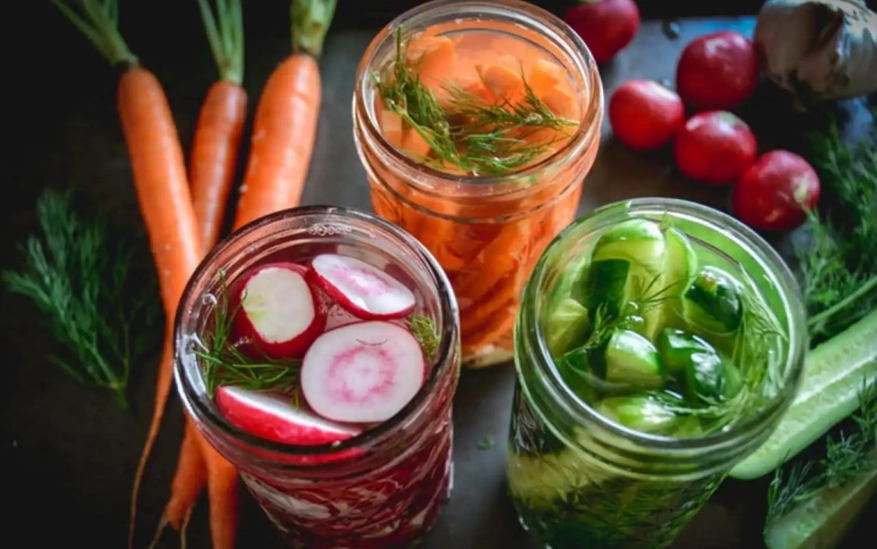
A Quick Comparison of Common Fermented Foods
| Food | What It Is | Key Probiotic Strains/Benefits | How to Use It |
|---|---|---|---|
| Kefir | Fermented milk drink, thinner than yogurt. | Extremely diverse; often 30+ strains of bacteria/yeast. Potent. | Drink straight, in smoothies, or as a buttermilk substitute. |
| Kimchi | Spicy Korean fermented napa cabbage and veggies. | Lactic acid bacteria (e.g., L. plantarum). Rich in fiber and vitamins A, B, C. | Side dish, on rice bowls, in soups, or scrambled eggs. |
| Sauerkraut (raw) | Fermented cabbage with salt. | Leuconostoc and Lactobacillus species. High in vitamin C and K. | On sausages, salads, sandwiches, or as a side. |
| Kombucha | Fermented sweet tea with a SCOBY (symbiotic culture). | Acetic acid bacteria, yeast. Contains organic acids and antioxidants. | Drink chilled. Watch sugar content in commercial brands. |
| Miso | Fermented soybean paste (barley, rice, or soybean). | Aspergillus oryzae fungus. Rich in protein and minerals. | Make soup, add to marinades, dressings, or glazes. |
My Personal Take on Making Your Own
I started making sauerkraut during a bout of digestive issues. The store-bought stuff was either pasteurized or too expensive. It's shockingly simple: cabbage, salt, massage, pack into a jar, and wait. The first batch was too salty. The second developed a bit of kahm yeast (harmless but ugly). By the third, I had crisp, tangy, live kraut for a fraction of the cost.
The biggest lesson? You don't need fancy equipment. A clean glass jar, some salt, and vegetables. The fermentation process itself prevents harmful bacteria from growing if done correctly. It demystifies the whole thing and connects you to your food. If you're curious, start with sauerkraut or fermented carrots. The resources from the Fermenters Club or books by Sandor Katz are fantastic guides.
Are There Any Risks or Downsides to Eating Fermented Foods?
They're not a universal magic bullet. Some people need to ease in.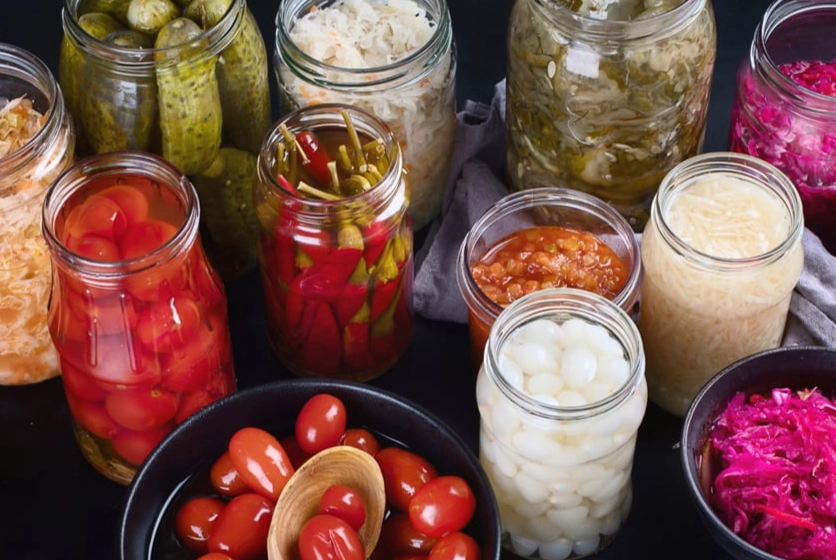
Histamine Content: Some ferments (like aged cheeses, sauerkraut, kimchi) are high in histamine. People with histamine intolerance may experience headaches, flushing, or digestive upset. If you notice a pattern, you might be sensitive.
High Sodium: Traditional fermentation relies on salt. While it's necessary for safety and flavor, it can be a concern for those on strict low-sodium diets. Making your own allows you to control this.
The "Die-Off" or Adjustment Period: When you first introduce powerful probiotics, you might experience increased gas or bloating as your gut microbiome shifts. Start with a small amount—like a tablespoon of sauerkraut or a few sips of kefir—and gradually increase over a week or two. Going all-in on day one can be uncomfortable.
Quality is Everything: A poorly made or contaminated homemade batch could harbor harmful bacteria. Follow trusted recipes, ensure everything is clean, and if it smells putrid (not just sour), looks moldy (not just white yeast), or the texture is mushy, toss it.
Your Fermented Foods Questions, Answered
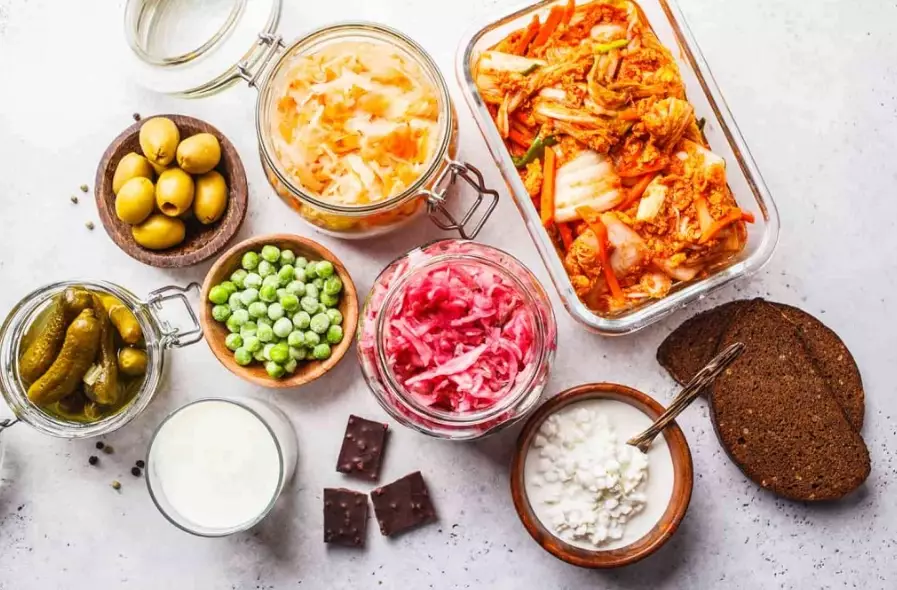 How much do I need to eat to get the health benefits of fermented foods?
Reader Comments