Let's be honest. Most "authentic ramen recipes" online are either oversimplified or intimidatingly complex. You end up with a broth that tastes like salty water or you're told to boil pork bones for 18 hours without understanding why. After years of trial, error, and learning from chefs in Tokyo and Fukuoka, I'm here to cut through the noise. Authentic ramen isn't about slavishly following one recipe; it's about mastering three core pillars. Get these right, and you can build endless variations from your own kitchen.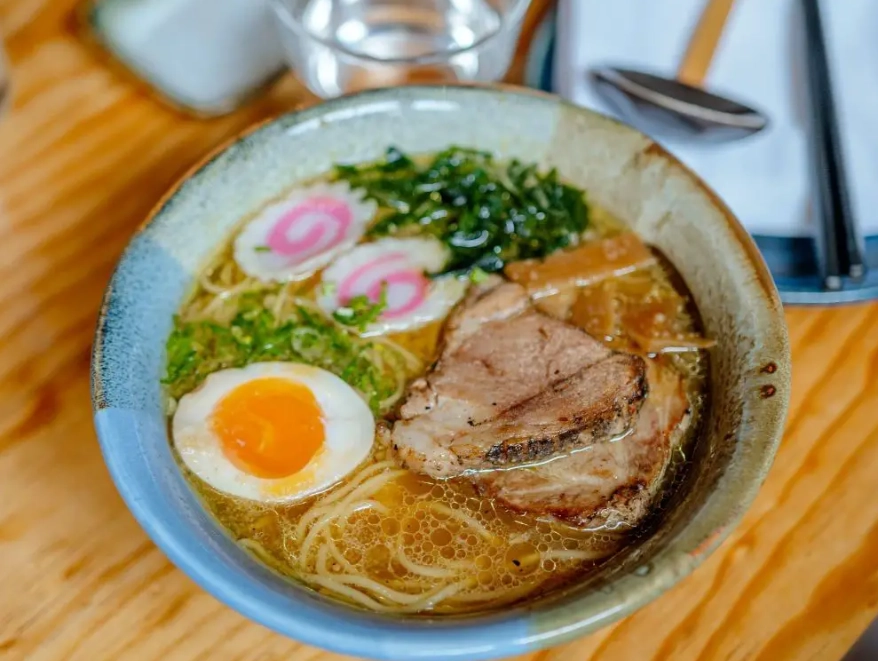
Your Ramen Roadmap
What Makes Ramen 'Authentic'?
Forget the instant stuff. We're talking about the real deal served in specialist shops across Japan. The key isn't a secret ingredient, but a harmony of distinct elements. The broth has body and layered flavor. The noodles have a specific chew and texture. The toppings are intentional, not just a random pile of veggies. Most importantly, each component supports the others. A rich, creamy tonkotsu broth needs thin, straight, hard noodles to cut through the fat. A clear, delicate shio broth pairs with wavy, absorbent noodles. When this synergy clicks, that's authenticity.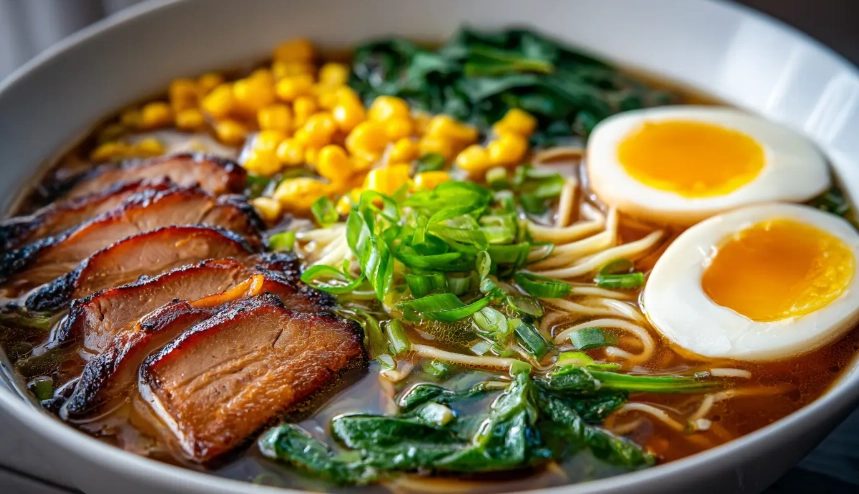
The Three Pillars of Authentic Ramen
Every bowl rests on these foundations. Skimp on one, and the whole structure wobbles.
Pillar 1: The Broth (The Soul)
This is the heart of the dish, where most home cooks go wrong. It's not just stock. It's an emulsion of fat, collagen, and water, often combining two or more stocks (like chicken and pork) for complexity. The base defines the ramen's main category.
Pillar 2: The Noodles (The Backbone)
Ramen noodles are wheat noodles made with kansui (alkaline mineral water). This is non-negotiable. Kansui gives ramen its signature yellow hue, firm texture, and that slight "bite" that holds up in hot broth. The shape—straight, wavy, thick, thin—is chosen specifically for the broth type.
Pillar 3: The Toppings & Tare (The Personality)
The tare is a concentrated seasoning paste (soy-based, salt-based, etc.) added to the bowl before the broth. It seasons the soup. Toppings like chashu pork, marinated egg, nori, and bamboo shoots add layers of flavor, texture, and visual appeal. They're garnishes with a job.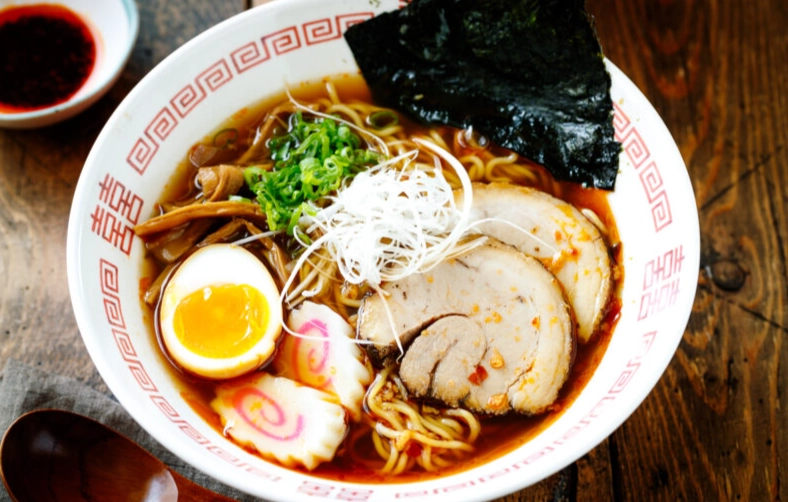
Mastering Ramen Broth From Scratch
Here's where I see the biggest gap in online advice. Everyone focuses on time, but technique is king. A common mistake? Not controlling the boil. For a creamy, white tonkotsu, you need a rolling boil to emulsify the fat and collagen. For a clear chicken paitan or chintan broth, a bare simmer is essential. Aggressive boiling will cloud it.
Pro Tip from a Fukuoka Chef: "For tonkotsu, don't be afraid of the foam and scum in the first hour. Skim it, but keep the boil strong. That agitation is what creates the milky consistency. After 4-5 hours, then you lower it to a simmer to develop depth." Most recipes get this sequence backwards.
Let's break down the four main broth families. Don't treat this as a strict rulebook, but a starting point for experimentation.
| Broth Type | Key Ingredients | Flavor Profile & Texture | Home Cook Difficulty |
|---|---|---|---|
| Tonkotsu (Pork Bone) | Pork trotters, neck bones, back fat, chicken carcasses. Boiled hard for 8-12 hrs. | Rich, creamy, opaque white, deeply savory, pork-forward. Thick, coating mouthfeel. | High (Time, technique, smell management) |
| Shoyu (Soy Sauce) | Chicken frames, pork bones, dried fish (niboshi), kelp (kombu). Simmered gently. | Clear to light brown, umami-rich, savory with a soy sauce fragrance. Light to medium body. | Medium (Balancing multiple ingredients) |
| Miso | Chicken & pork broth base, blended with fermented miso paste (often multiple types). | Robust, tangy, slightly sweet, hearty. Can be creamy or chunky depending on miso. | Medium-Low (Great for beginners, hard to mess up) |
| Shio (Salt) | Chicken, seafood (niboshi, shellfish), kelp. The most delicate simmer. | Clear, light, elegant, highlighting the pure flavors of the ingredients. Salty but refined. |
My recommendation for a first attempt? A chicken paitan broth. It's forgiving. Use 3-4 lbs of chicken wings and backs, cover with cold water, bring to a boil, skim, then maintain a steady medium boil for 5-6 hours. Top up with hot water as needed. You'll get a creamy, luxurious broth that's less intense than tonkotsu but just as satisfying. Add a handful of dried shiitake mushrooms and a piece of kombu during the last hour for an umami boost.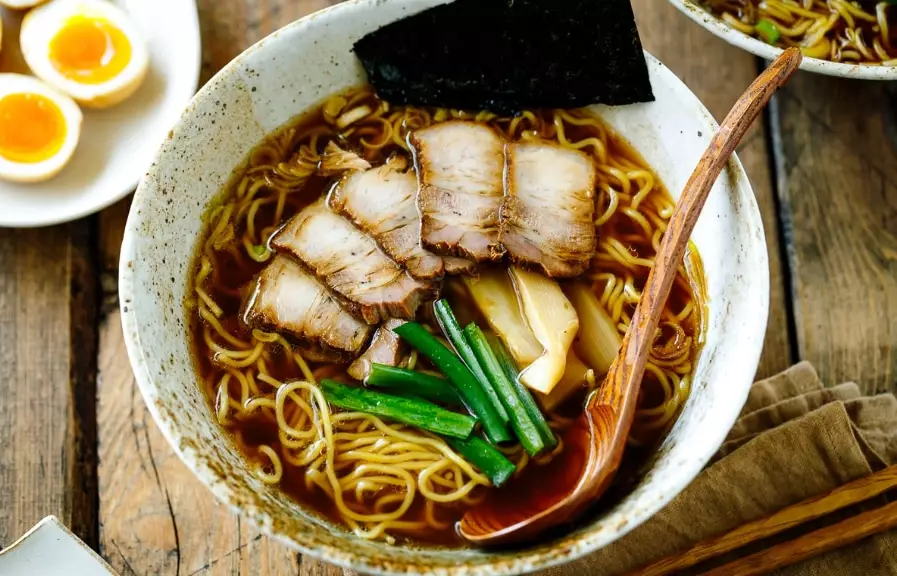
Why Noodles Matter More Than You Think
Using spaghetti or udon is the quickest way to betray your bowl. The alkaline content in kansui changes the game. It makes the gluten network stronger, giving the noodle its spring. It also allows the noodle to resist becoming mushy in the hot broth for a crucial few minutes.
You have two realistic paths at home:
1. Buy Fresh or Dried Ramen Noodles: This is the smart move for 90% of people. Look for an Asian grocery store. In the fridge section, find fresh noodles (like Sun Noodle brand if you're in the US, they supply many top ramen shops). Check the ingredients for "potassium carbonate" and "sodium carbonate"—that's kansui. Dried ramen noodles (not instant) are a good backup.
2. Make Them Yourself (The Deep End): This is for project cooks. You need bread flour (high protein), kansui (you can order food-grade sodium carbonate and potassium carbonate online and mix your own), and water. A pasta roller is essential. The hydration is low, making the dough incredibly stiff and hard to knead. The payoff is immense, but it's a commitment. A basic ratio to try: 200g bread flour, 80g water, 4g baked baking soda (a home substitute for kansui—bake regular baking soda at 250°F for an hour).
Toppings: The Art of Balance and Texture
This is where you personalize. The classics exist for a reason.
Chashu (Braised Pork Belly): Often overcomplicated. Sear a rolled pork belly, then braise low and slow in a mix of soy, sake, mirin, sugar, and water until tender. The real trick? Let it cool completely in the braising liquid, then slice. It firms up and absorbs more flavor. Reheat slices in the broth just before serving.
Ajitsuke Tamago (Marinated Soft-Boiled Egg): The ultimate test. Boil eggs for 6.5 minutes, shock in ice water, peel. Marinate in a 1:1:1 mix of soy, mirin, and water, with a bit of sugar, for 12-24 hours. The yolk should be custardy, not runny or chalky.
Menma (Seasoned Bamboo Shoots): Canned is fine. Boil for a minute to remove the tinny taste, then sauté with soy sauce, mirin, and a drop of sesame oil.
Don't forget the aromatics: finely chopped green onion, a sheet of nori, a sprinkle of sesame seeds, a dab of spicy rayu (chili oil).
Putting It All Together: A Shoyu Ramen Blueprint
Let's build a classic, approachable Shoyu (Soy Sauce) Ramen. This is a template you can tweak.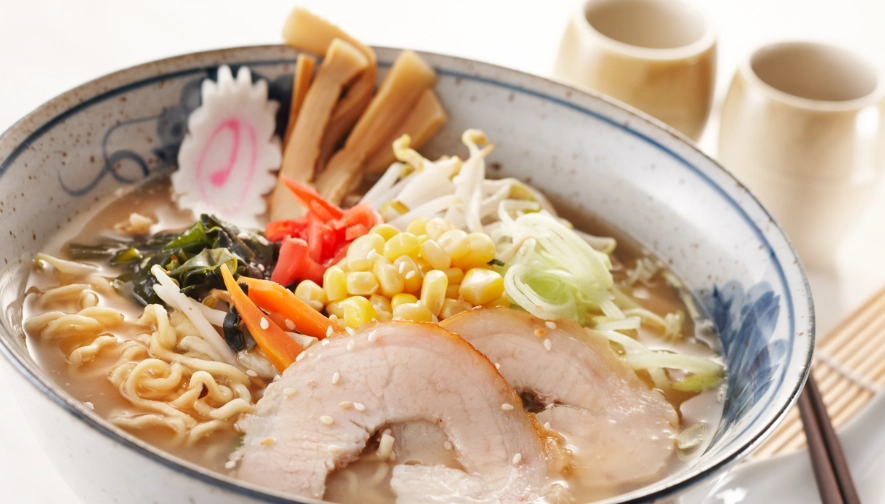
Broth (Makes 4 bowls): 2 lbs chicken wings, 1 lb pork neck bones (optional for more richness), 1 onion (halved), 1 knob ginger (sliced), 2 cloves garlic (smashed). Cover with 3 quarts cold water. Bring to a boil, skim scum, then reduce to the gentlest simmer (barely a bubble) for 4 hours. Strain. You should have about 2 quarts of clear, golden broth.
Tare (Seasoning Paste): Combine ½ cup good-quality soy sauce, ¼ cup sake, ¼ cup mirin, a 1-inch piece of kombu, and 5-6 dried sardines (niboshi) if you have them. Simmer gently for 10 minutes, strain. This is your flavor bomb.
Assembly: For each bowl, place 2 tablespoons of tare. Add 1.5 to 2 cups of piping hot broth. Cook 4-5 oz of fresh ramen noodles according to package (usually 1-2 minutes), drain well, and place in the broth. Top with 2 slices of chashu, 1 halved marinated egg, a small handful of menma, a sheet of nori, and chopped green onions.
Taste the broth first. Need more salt? Add a pinch of sea salt. More depth? A drop of sesame oil. Make it yours.
Your Ramen Questions, Answered
Why does my homemade ramen broth taste flat and one-dimensional compared to restaurant versions?
This usually comes down to two things: layering and emulsification. Home cooks often use one type of bone and simmer too gently. Try a combination—chicken for sweetness, pork for richness, maybe a few dried fish for umami. For creamy broths, the vigorous boil is non-negotiable; it whips fat into the liquid, creating body and a more complex mouthfeel than flavor alone. A flat broth often just needs more agitation during cooking.
I can't find kansui. Can I just use baking soda?
You can use baked baking soda as a workable substitute. Spread regular baking soda on a tray and bake at 250°F (120°C) for an hour. This converts sodium bicarbonate into sodium carbonate, which is closer to one component of kansui. Your noodles will have more of the yellow color and some bite, but the flavor profile won't be identical to true kansui blends (which include potassium carbonate). It's a great hack for your first few attempts before you order the real thing online.
 How do I store ramen components to avoid spending a whole day cooking?
Ramen is a perfect meal-prep project. Broth freezes exceptionally well for up to 3 months. Freeze it in 2-cup portions. Tare keeps for weeks in the fridge. Chashu, once cooked and sliced, can be frozen with some of its braising liquid. Marinated eggs are good for 2-3 days in the fridge. On a weeknight, you can thaw broth and chashu, boil noodles for 2 minutes, and assemble a near-restaurant-quality bowl in 15 minutes. The upfront work pays off.
Is it worth investing in a pressure cooker to make ramen broth faster?
For clear broths (shoyu, shio), a pressure cooker is a fantastic tool that can produce a deep, flavorful broth in 1-2 hours instead of 6. However, for milky tonkotsu, I'm skeptical. The violent, rolling boil is key to the emulsion, which a pressure cooker's gentle simmer doesn't replicate. You'll get a very rich pork stock, but it may lack the characteristic creamy white color and thick texture. Use it for your base stocks, but plan to finish a tonkotsu with a hard, open boil for at least the final hour.
Reader Comments