Jump to What You Need
Let's be honest. Camping food often gets a bad rap—think cold beans, soggy sandwiches, or that one friend who brings only energy bars. I've been there. On a trip to Yosemite last year, I spent more time fussing with a rusty camp stove than enjoying the views. That's when I realized camping meal prep isn't just nice to have; it's the difference between a stressful outing and a relaxing escape.
This guide cuts through the fluff. We'll dive into camping meal prep ideas that work for real people, whether you're a solo hiker or a family with kids. Forget generic advice; I'll share what actually saves time and tastes good, based on my own trial and error over a decade of outdoor trips.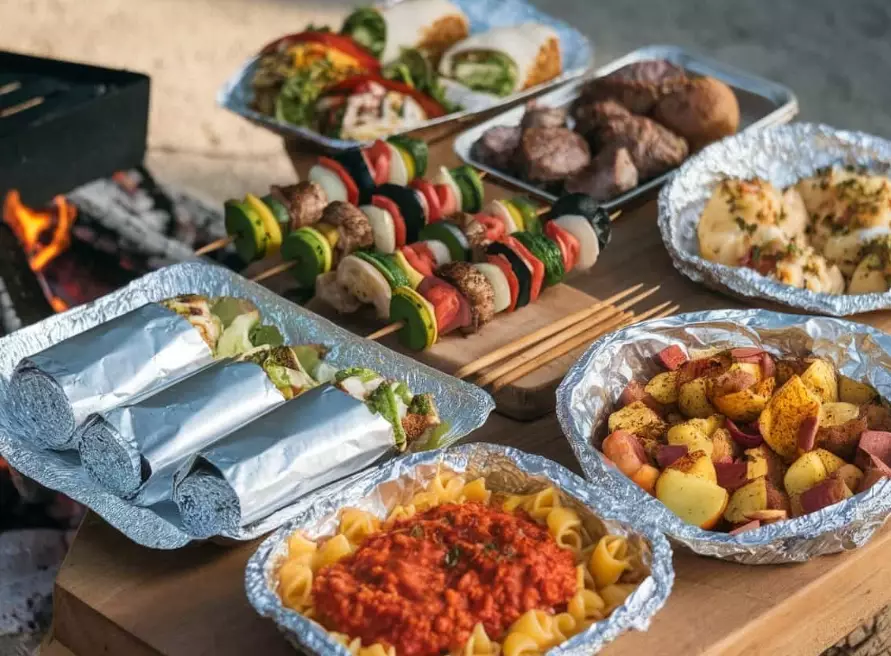
Why Camping Meal Prep Actually Matters
Most folks think meal prep is about packing food. It's more than that. It's about control. When you're miles from a grocery store, you can't just order takeout. A little planning prevents hunger meltdowns and lets you focus on the fun parts.
Think about weight. Carrying heavy, bulky items? That slows you down. Prepping meals in advance often means lighter packs. Cost too. Buying last-minute at camp stores? You'll pay double. Preparing at home is cheaper.
Safety is another big one. Improper food storage attracts wildlife. I once saw a raccoon raid a cooler left out overnight—not pretty. Prepping helps you manage leftovers and waste better.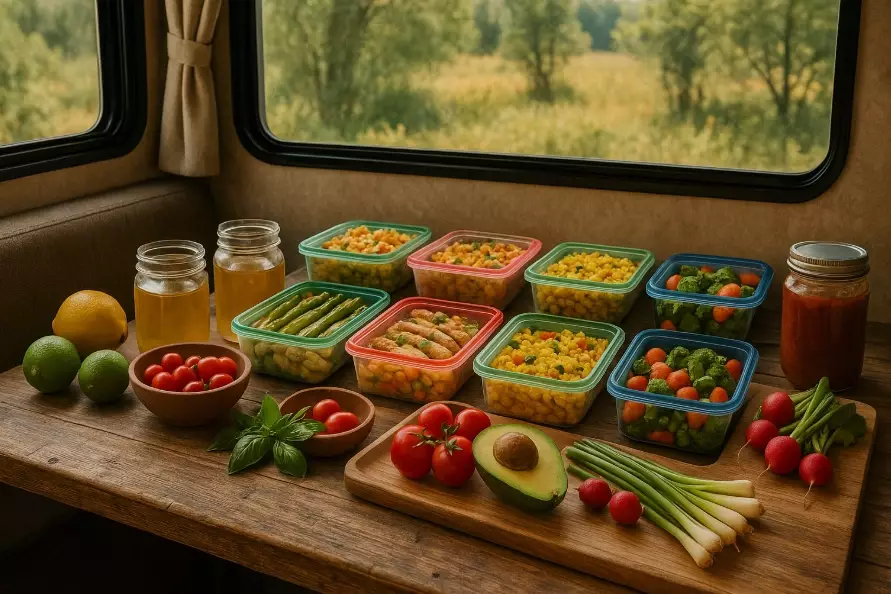
Gear You Can't Skip for Meal Prep
You don't need fancy equipment. But some tools make life easier. Let's break it down.
Containers That Won't Leak
Ziploc bags are fine for short trips, but they burst. I prefer hard-sided containers for anything liquid. Look for ones with locking lids—they're worth the extra dollar. Mason jars work for dry goods, but glass is heavy. Go for BPA-free plastic or silicone.
Cooler Basics
A good cooler keeps ice for days. Yet, many campers skimp here. I use a rotomolded cooler like those from Yeti or cheaper alternatives. Pre-chill it with ice overnight before packing. It makes a huge difference.
For insulation, bubble wrap or foam sheets help. Don't just toss food in; layer it with ice packs. Put perishables at the bottom where it's coldest.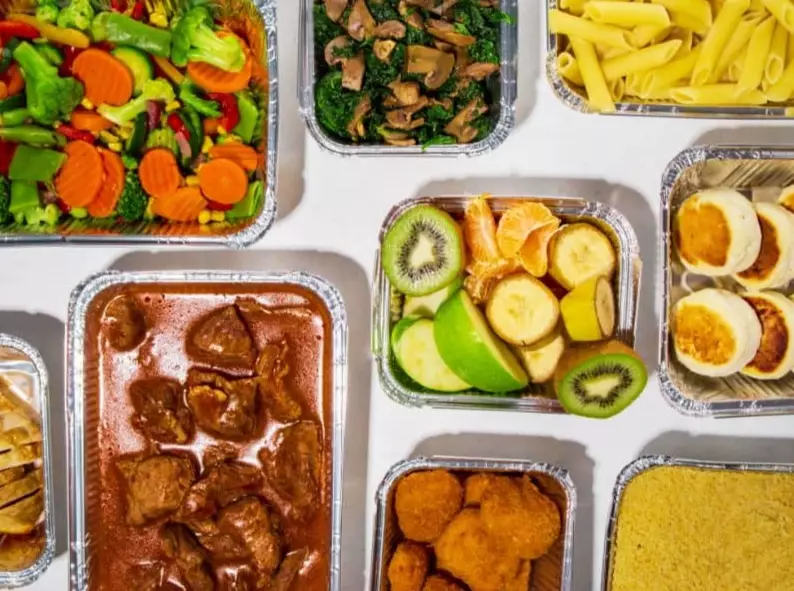
Cooking Tools on a Budget
You might already have these at home. A cast-iron skillet is versatile but heavy. For lightweight trips, a non-stick pan works. A portable stove is key—I recommend a two-burner propane stove for groups. Solo? A pocket rocket stove does the job.
Include a sharp knife, cutting board, and utensils. I've forgotten a can opener before; never again.
Your 5-Day Camping Meal Prep Plan
Let's get practical. Assume you're camping for a long weekend, say Thursday to Monday. Here's a timeline.
7 Days Before: Plan your meals. Write it down. I use a simple spreadsheet. For a family of four, aim for three meals a day plus snacks. Check the weather—rain might mean more no-cook options.
5 Days Before: Shop for non-perishables. Things like pasta, rice, canned beans, spices. Buy in bulk if you can. Store them in labeled containers.
3 Days Before: Prep perishables. Chop vegetables, marinate meats, cook grains. For example, cook a batch of quinoa or roast some chicken. Portion them into meal-sized bags. Label with the day and meal.
1 Day Before: Assemble everything. Pack the cooler with ice and food. Keep a list of what's where. I stick mine on the cooler lid.
Day of Trip: Double-check. Add last-minute items like bread or fruit. Load the car strategically—cooler accessible, dry goods safe.
This plan reduces morning-of chaos. I used to do everything the night before and ended up exhausted. Spreading it out works better.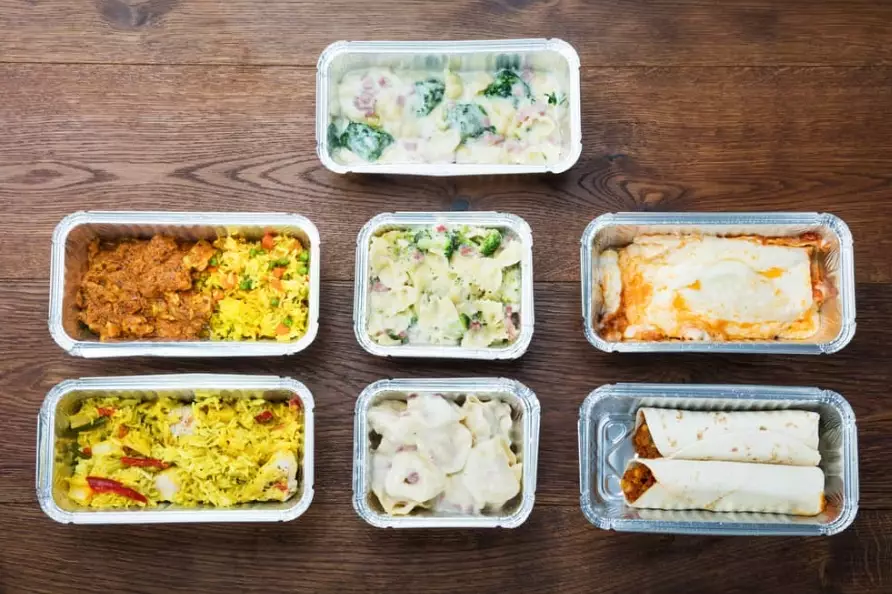
5 Tried-and-Tested Camping Meal Ideas
Here are my go-to meals. They're easy, scalable, and actually tasty.
| Meal | Prep Time at Home | Cooking Time at Camp | Why It Works |
|---|---|---|---|
| Breakfast Burritos | 30 minutes | 5 minutes (reheat) | All-in-one meal, customizable, holds up well in a cooler. |
| One-Pot Pasta | 15 minutes | 20 minutes | Minimal cleanup, uses shelf-stable ingredients. |
| Pre-made Kebabs | 20 minutes | 10 minutes (grill) | Fun for groups, easy to cook over fire. |
| Quinoa Salad Jars | 25 minutes | 0 minutes (no-cook) | Healthy, no cooking needed, perfect for hot days. |
| Campfire Chili | 40 minutes | 15 minutes (warm-up) | Hearty, can be made vegetarian, leftovers taste better. |
Let's dive into one: breakfast burritos. Scramble eggs at home, add cooked sausage, cheese, and veggies. Wrap in foil, then freeze. At camp, heat them in a pan or near the fire. They thaw slowly in the cooler, staying fresh.
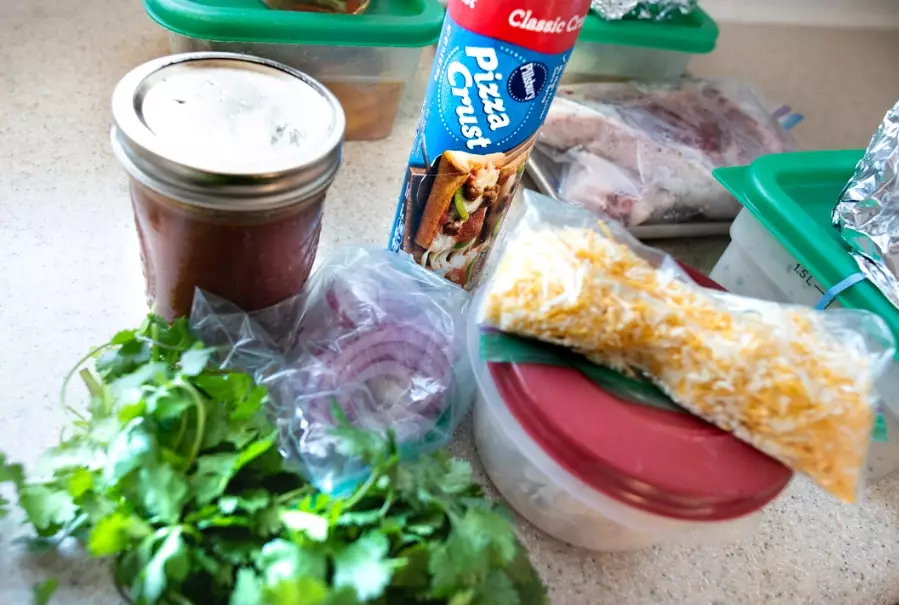
For one-pot pasta, pack dry pasta, a jar of sauce, and pre-chopped onions. At camp, boil water, add everything, simmer. Done. I add a can of tuna for protein.
Kebabs are great but often overlooked. Skewer chicken and vegetables at home, store in a container with marinade. Grill quickly. Avoid pre-skewering delicate items like mushrooms—they can get soggy.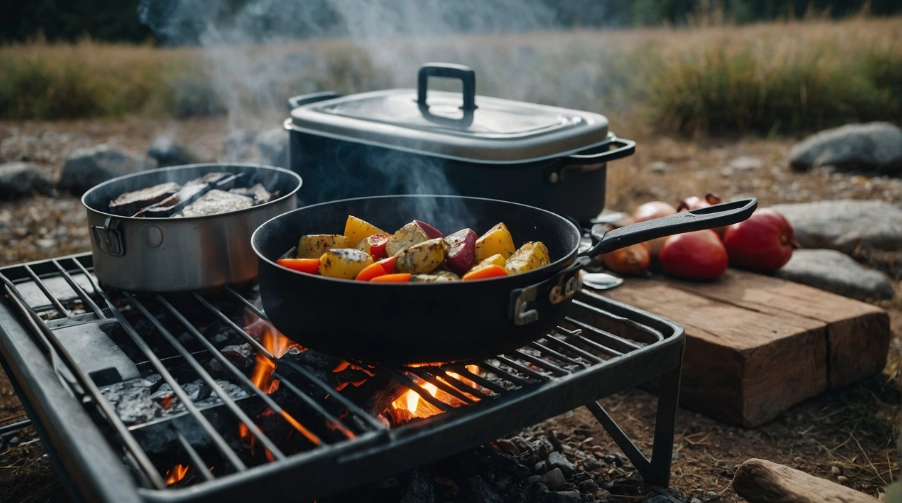
Mistakes That Ruin Camping Meals
Even with prep, things go wrong. Here are pitfalls I've seen.
Overpacking: Bringing too much food leads to waste. Plan portions realistically. For a 3-day trip, you don't need 10 meals per person. Leftovers are hard to store.
Ignoring Temperature: If it's hot, skip dairy-heavy meals unless you have a reliable cooler. I learned this in Arizona when my cheese turned into soup.
Complex Recipes: Camping isn't the time for gourmet experiments. Stick to simple, forgiving dishes. A friend once tried to make soufflé over a campfire—disaster.
Forgetting Seasonings: Bland food is a common complaint. Pack a small kit with salt, pepper, oil, and your favorite spices. It weighs nothing but boosts flavor.
Poor Packaging: Using flimsy bags that leak. Double-bag liquids. I use screw-top containers for sauces.
Another subtle error: not considering group preferences. Kids might not eat spicy food. Check with everyone before prepping.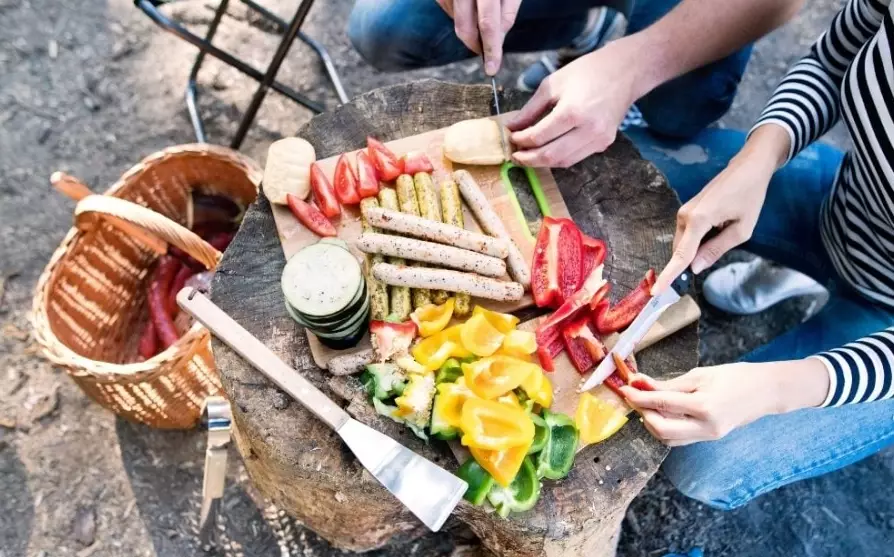
Answers to Your Camping Food Questions
 Camping meal prep doesn't have to be complicated. Start small—maybe just prepping snacks for your next trip. You'll notice the difference. With these ideas, you can spend less time cooking and more time enjoying the outdoors. Remember, the goal is to eat well without stress. Happy camping!
Reader Comments