
What’s in this guide (tap to jump)
You’re standing outside a restaurant in Nagoya, staring at the menu. The word hitsumabushi is everywhere, but the instructions on the little card don’t make sense. Should you dump the whole bowl into the broth? Not unless you want soggy rice and a confused chef. I’ve eaten this eel dish a dozen times over the years, and I still see first-timers fumble the four-step ritual. This guide fixes that. No fluff, no vague tips — just exact locations, prices, and the method that locals actually follow.
What Is Hitsumabushi, Really?
Hitsumabushi is grilled eel over rice, served in a wooden or lacquered bowl, but it’s not the same as unadon. The eel is sliced and mixed with a sweet-tamari sauce, then piled over rice. The real difference is the structured way you eat it: you divide the rice into four portions and try it three different ways, then a fourth way just because.
I once watched a tourist from Australia dump the dashi stock straight into the main bowl. The shop owner politely corrected him. That moment stuck with me — most people don’t know that hitsumabushi is a performance, not a stew. Do it right and the meal becomes a progression from intense to light.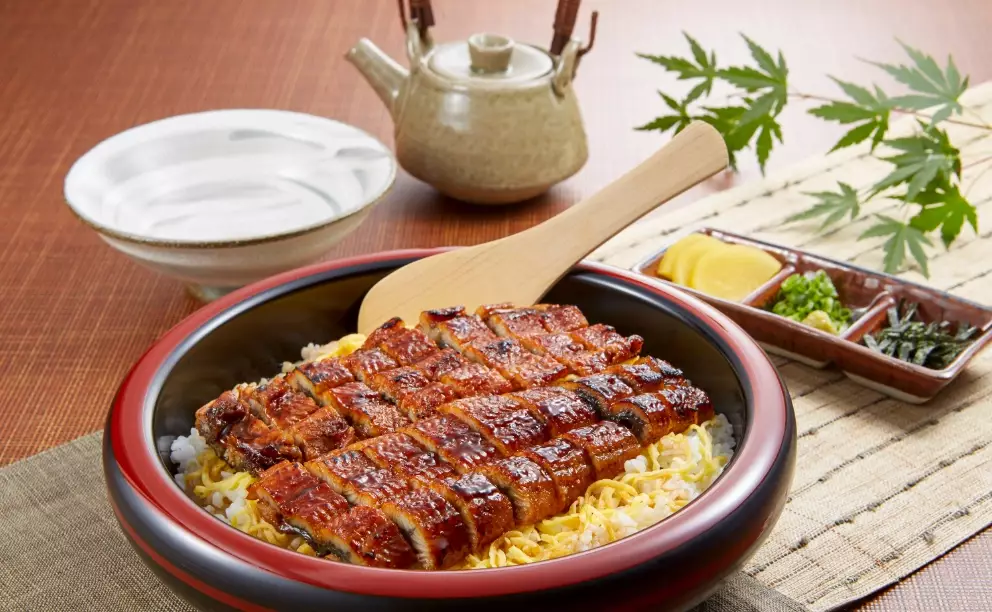
Best Hitsumabushi in Nagoya (Tested & Priced)
Nagoya has thousands of eel spots, but three names keep popping up. I’ve queued at all of them in the last two years. Here’s the honest breakdown.
| Restaurant | Address & Access | Price Range | Hours | What Makes It My Pick |
|---|---|---|---|---|
| Atsuta Horaiken (Main Store) | 503 Jingu 2-chome, Atsuta-ku, Nagoya. 10 min walk from Jingu-mae Station (Meijo Line). | ¥4,500–¥6,000 | 11:30–14:00, 17:00–20:30 (closed Wed if holiday) | The original. Sweet-tamari sauce has a faint citrus-peel undertone I haven’t found elsewhere. Queue is brutal — arrive by 10:45 AM. |
| Unafuji (Meieki branch) | 1-2-1 Meieki, Nakamura-ku (inside Nagoya Station area). 5 min from Nagoya Station Sakura-dori exit. | ¥3,900–¥4,800 | 11:00–15:00, 17:00–21:00 daily | Quick service, less touristy crowd. The eel is slightly leaner, which I prefer for lunch. They give a tiny timer to steep the broth — a nice touch. |
| Shirakawa (Sakae) | 3-5-4 Sakae, Naka-ku. 3 min from Fushimi Station (Tsurumai Line). | ¥4,000–¥5,500 | 11:30–14:30, 17:30–22:00 (closed Sundays) | More refined setting. The rice is cooked firmer, so it holds up when you pour the broth. My pick if you’re a texture person. |
The Queue Secret I Wish I Knew Earlier
At Atsuta Horaiken, the staff takes your order while you’re still in line. That means if you haven’t decided by the time you reach the entrance, you’ll be rushed. I saw a couple panic-order the cheapest set and regret it. Decide before you join the line. Also, the main store has a tiny waiting garden — sit on the bench near the restroom, it gets shaded first in summer.
How to Eat Hitsumabushi: The 4-Step Method
Step 1: Evaluate the Plain Rice
Use the wooden rice paddle to scoop about a quarter of the eel and rice into your small bowl. Eat it exactly as is. You’re tasting the eel’s char and the sauce’s sweetness. Don’t add anything on this step. The first bite should hit the back of your tongue — that’s where you catch the grilled aroma.
Step 2: Add the Aromatics
Now take another quarter. Add a pinch of the sliced green onions and a little wasabi. The wasabi at most Nagoya shops is freshly grated and mild. Mix it gently into the rice, not into the sauce. A common mistake: people drown the rice with wasabi. Half a small scoop is enough for the whole bowl.
Step 3: The Broth Version
Take your third quarter and place it in the small bowl. Pour the clear dashi broth from the small pot over it — just enough to barely cover the rice. Add a little of the provided arare (crispy rice bits) if you want texture. This is where the dish becomes delicate. Eat it slowly. Slurping is fine.
Step 4: The Fourth Portion Is Yours
You’ve tried three styles. For the last quarter, do whatever you liked best. On a cold day I go for the broth style again. In summer I’ll eat it plain with a tiny dab of wasabi. There’s no wrong answer, but the chef will smile if you finish everything.
One thing I noticed: nobody tells you the broth is served warm, not hot so it won’t cook the eel further. If you let it sit, it cools fast. Pour and eat within a minute.
How Do I Order Without Speaking Japanese?
Here’s a phrase that works: “Hitsumabushi, onegai shimasu” and hold up one finger. That’s all. Most shops in the station area have English photo menus. At Atsuta Horaiken, the menu has pictures but no English descriptions. Point to the size — jo (large) or nami (regular). The regular is plenty for one hungry adult. The large serves someone who skipped breakfast.
Never ask for extra sauce on the side. The chef mixes the sauce into the eel at the right ratio. Asking for more sauce ruins the balance. I watched a regular ask for a small dish of sauce once and the chef gave him a look that could curdle milk.
Nagoya Hitsumabushi: Real Questions, Real Answers
Facts in this article were checked by revisiting menus and store signs in person. Prices reflect current menu boards as of my last visit — expect small seasonal changes.
Reader Comments