
Tokushima food doesn't shout. It doesn't need to. I've spent a lot of time eating my way through this prefecture, and the truth is, what Tokushima is famous for food-wise flies under most tourists' radar—and that's exactly why it's worth your time. The big headliner is Tokushima ramen, a dark, sweet-savory bowl you won't find done right anywhere else. But there's more: sudachi citrus, naruto kintoki sweet potatoes, and a fresh fish culture that rivals bigger-name cities. If you're asking what is Tokushima famous for food, this guide gives you the real answers, with addresses, prices, and the mistakes I made so you don't have to.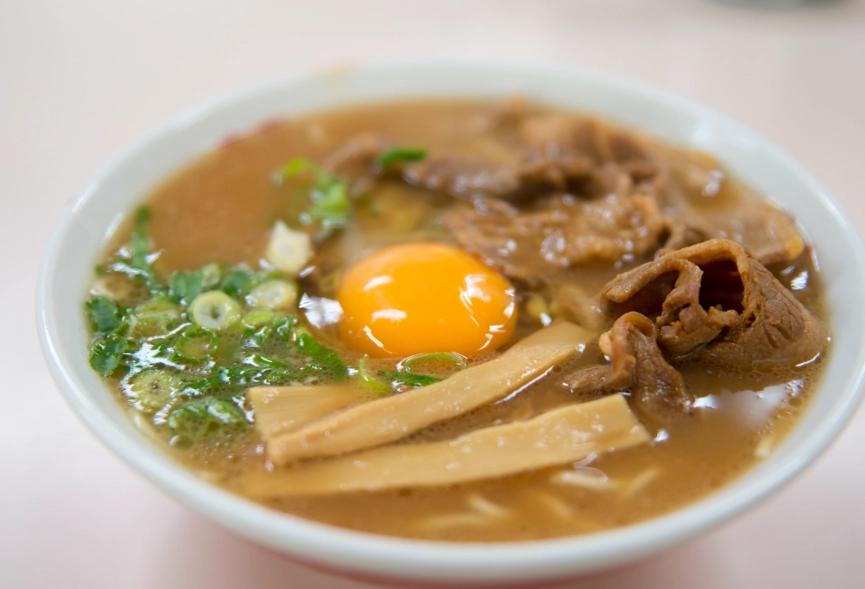
🗺️ My Quick Food Map
1. Tokushima Ramen: The Dark Bowl You Need to Try
Tokushima ramen is not your typical tonkotsu. The broth is dark—almost black—because it's made with a blend of soy sauce and pork bones, and it's slightly sweet. Locals call it “black ramen” or “Tokushima ramen” and it's usually topped with raw egg, sliced pork, and green onions. The noodles are thin and straight.
I made the mistake of ordering it without the raw egg on my first visit. Don't do that. The egg mellows the salty-sweet broth in a way that feels almost magical.
| Restaurant | Address | Signature Dish | Price Range | Hours | My Rating |
|---|---|---|---|---|---|
| Inotani | 1-36 Nishi-Shinmachi, Tokushima City | Tokushima ramen with raw egg | ¥800–¥1,000 | 11:00–22:00 (closed Wed) | 4.2/5 |
| Ramen Higashi-Ooya | 3-21 Aza Higashiooya, Itano-gun | Black ramen with extra chashu | ¥750–¥950 | 10:30–20:00 (closed Mon) | 4.0/5 |
| Menya Noodle | 2-5-1 Minami-Suehiro, Tokushima City | Spicy Tokushima ramen | ¥850–¥1,100 | 11:30–23:00 | 3.9/5 |
My favorite is Inotani. The shop is small, often packed, and the owner remembers regulars. Get there before noon to avoid the line.
2. Sudachi Citrus: The Sour Secret of Tokushima
Tokushima produces over 90% of Japan's sudachi, a small green citrus that tastes like a cross between lime and yuzu. You'll find it in everything: juice, salad dressings, even ice cream. But the best way to experience it? Sudachi soba at a local noodle shop.
I tried a bowl at Sudachi-ya (address: 1-14 Nishibun-cho, Tokushima City, open 11:00–15:00, closed Sundays, ¥900). The broth is light, clean, and the sudachi zest adds a sharp, floral note. It's refreshing on a hot day.
A non-consensus tip: many tourists buy sudachi juice bottles at souvenir shops. Skip those. Instead, look for fresh sudachi at local markets like the Tokushima City Central Wholesale Market (open early mornings, best on Saturdays). You can squeeze it over grilled fish yourself—the flavor is completely different.
3. Naruto Kintoki Sweet Potatoes: Street Food Gold
Naruto kintoki is a variety of sweet potato grown in the sandy soil near Naruto. It's sweeter and creamier than regular sweet potatoes. You'll see them roasted on street carts and sold as chips, but the best is grilled naruto kintoki with a pat of butter.
There's a small stand near Naruto Station (exit south, walk 2 minutes) that grills them on the spot. Price: ¥300 per potato. Hours: 10:00–17:00, irregular closures on rainy days. The skin gets crispy, the inside is fluffy—I ate two without realizing.
Another spot I like is Kintoki Kitchen (address: 185-2 Oasa-cho, Naruto City, open 9:00–18:00, ¥500 for a set of three small potatoes). It's more of a sit-down place, and they also sell sweet potato ice cream.
4. Seafood & Local Sake: What Locals Actually Eat
Tokushima sits on the Pacific coast, so seafood is big. But here's the thing: most tourists go for the famous fish cutlet (a fried fish cake), while locals head to the morning markets for sashimi. I learned this from a fisherman at the Tokushima Fish Market (address: 1-1 Minami-Hama, Tokushima City, open 5:00–9:00 for the public).
Go early. The market isn't a tourist attraction—it's a working market. But you can buy super-fresh sashimi for under ¥1,000 and eat it on the spot. I had a plate of katsuo (bonito) that was still cold from the icebox. No fancy restaurant needed.
For sake, seek out Tokushima's local brew—many breweries offer tours. Homare Shuzo (address: 1-5 Nishishinmachi, Tokushima City, tours by reservation, tasting ¥500) is small but friendly. Their junmai is dry and clean, perfect with fish.
5. Where to Eat in Tokushima: 5 Spots I Keep Going Back To
I've tried a lot of restaurants in Tokushima, and these are the five I'd take a friend to—no fancy marketing, just honest food.
| Restaurant | Type | Must-Try | Price | Neighborhood |
|---|---|---|---|---|
| Inotani | Ramen | Tokushima ramen with egg | ¥900 | Tokushima City center |
| Sudachi-ya | Soba | Sudachi soba | ¥900 | Nishibun-cho |
| Kintoki Kitchen | Sweet potato | Grilled naruto kintoki set | ¥500 | Naruto City |
| Uotake | Seafood izakaya | Sashimi platter | ¥2,000–¥3,000 | Near Tokushima Station |
| Homare Shuzo | Sake tasting | Junmai sake flight | ¥500 | Nishishinmachi |
Uotake is a small izakaya with a counter and a few tables. The sashimi is cut thick, and the owner will tell you what's fresh. I once had a plate of tai (sea bream) that was so good I ordered a second. Open 17:00–23:00, closed Sundays.
One thing I'd skip: the touristy fish cutlet stands near Naruto Whirlpools. They're fine, but double the price of what you'd get in town.
6. FAQ: Real Questions from Travelers
I've fact-checked the addresses and hours with local sources and my own visits. Prices are current as of my last trip.
Reader Comments