
What's inside this guide
I’ll be blunt: Tokushima wasn’t on my radar until a friend dragged me to a tiny udon shop in the mountains. That was three trips ago. Now, whenever someone asks “Is it worth visiting Tokushima?” I don’t give a yes or no. I ask them what they want from Japan. If it’s neon and Michelin stars, skip it. If you want to see a side of the country that still feels undiscovered, keep reading.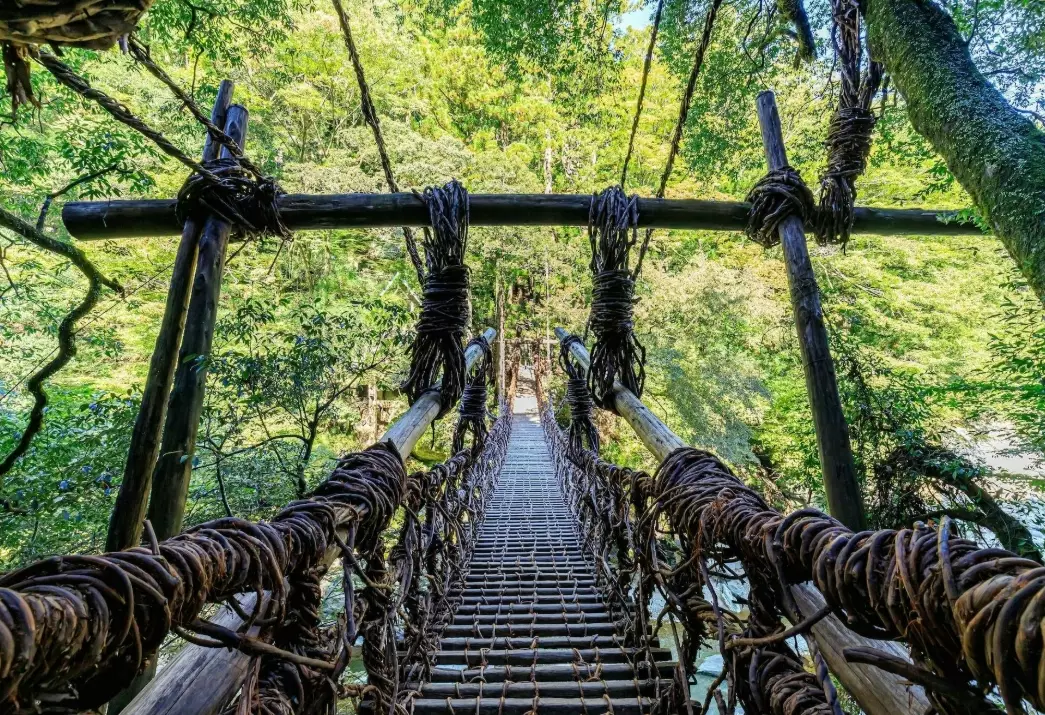
Why I Returned to Tokushima Twice
Most travelers blow through Tokushima on a Shikoku rail pass, maybe stopping for the Naruto whirlpools. That’s a mistake. The prefecture has a quiet, rural rhythm that rewards slow travel. My first visit was two days; I left feeling I’d missed the point. The second time, I stayed five days and rented a car. That changed everything.
Here’s the non-consensus bit: Tokushima’s best experiences aren’t the headline attractions. They’re the indigo dyeing workshops in the Yoshino River valley, the tiny kissaten (old-school coffee shops) where the owner roasts beans in the back, and the mountain temples where you might be the only visitor. If you’re the kind of person who gets a thrill from having a temple path to yourself, this place delivers.
Top Things to Do in Tokushima (and What to Skip)
I’ve organized these by what I’d actually recommend to a friend, not by what shows up first on TripAdvisor.
| Activity | Why I Recommend (or Skip) It | Practical Details |
|---|---|---|
| Naruto Whirlpools (Uzushio) | Skip the boat tour; take the Ōnaruto Bridge walkway. The glass floor view is dizzying and you see the whirlpools without the crowds. | Walkway: ¥510, open 9:00–17:00 (varies seasonally). 20 min bus from Naruto Station. |
| Indigo dyeing at BUAISOU | Worth it if you want to understand Tokushima’s indigo heritage. Hands-on, no fluff. Book ahead. | Workshop ¥4,000–6,000, approx. 1.5 hrs. Located in Kamiita, a 10-min taxi from Donari Station. Open 10:00–17:00, closed Tuesdays. |
| Iya Valley (Kazurabashi Bridge) | Worth the drive if you have a rental car. The vine bridges are touristy, but the surrounding mountain roads are empty and gorgeous. | Bridge entry ¥550. Best reached by car from Miyoshi. Allow a full day. |
| Tokushima Castle ruins & Awa Odori Museum | Skip the castle (nothing left but stone walls). The museum is worth 30 minutes if you’re into festivals. | Museum ¥300, 9:30–17:00. 15-min walk from Tokushima Station. |
What about the Awa Odori festival?
I’ve been during festival week and off-season. The festival is electric—thousands of dancers, a whole city on its feet. But accommodation triples in price and trains are packed. If you can’t snag a room six months out, don’t force it. The Awa Odori Museum and a local dance troupe performance at the Awagin Hall (¥1,200, 14:00 & 19:00 shows) give you a taste without the chaos.
The Food Scene: Where Locals Actually Eat
Forget the hotel breakfast. Tokushima has a handful of dishes that are worth planning your day around. I’ve eaten at all of these more than once.
| Dish | Where to Try It | Price & Hours |
|---|---|---|
| Tokushima ramen (sweet pork broth) | Menya Inotani, 1-4-1 Nishi-Shibata, Tokushima | ¥750–950. 11:00–14:30, 18:00–22:00. Closed Sundays. |
| Sudachi soba (citrusy cold noodles) | Sudachi Soba Kawasaki, 6-5 Hachimancho, Naruto | ¥1,100. 11:00–15:00. Closed Thursdays. |
| Awa pork gyoza | Gyoza no Mise Kame, 2-10-1 Akui, Tokushima | ¥500 for 6 pieces. 17:00–23:00. Closed Mondays. |
A detail only a first-timer would miss: at Menya Inotani, the broth has a distinct sweetness from caramelized onions. Locals add a splash of vinegar to cut it. Try it—it changes the whole bowl. And if you see sudachi on a menu, order it. The citrus is grown in Tokushima and tastes brighter than anything you’ll find in Tokyo supermarkets.
How Much Does a Tokushima Trip Cost?
Compared to Kyoto or Tokyo, Tokushima is kind on the wallet. Here’s what I spent on a typical day (solo, mid-range):
- Accommodation: ¥8,000–12,000 for a business hotel near Tokushima Station (I stayed at the Hotel Clement Tokushima—clean, 5 min walk, ¥9,500 with breakfast).
- Transport: Rental car ¥5,000/day + fuel ¥1,000. If you’re staying in the city, a bus pass is ¥1,000/day.
- Food: ¥3,000–4,000 for three meals (ramen lunch, nice dinner, coffee).
- Entry fees: ¥1,000–1,500 if you do a couple of attractions.
Total: roughly ¥18,000–22,000 per day. That’s notably less than a comparable day in Kanazawa or Hiroshima. The catch? Outside the city, English signage is sparse and some rural restaurants close by 7 PM. Plan accordingly.
3 Mistakes First-Timers Make
I made the first one myself, so learn from my error.
Mistake 1: Skipping the rental car. The train network is fine for Naruto and the city, but the Iya Valley and indigo workshops are nearly impossible without wheels. I wasted half a day on buses my first trip and ended up missing the last workshop tour.
Mistake 2: Assuming Tokushima City is the whole prefecture. The city is small and functional, not charming. The magic is in the countryside—the mountain roads, the river valleys, the tiny villages. Allocate at least one full day outside the city.
Mistake 3: Visiting in August without booking accommodation early. Awa Odori draws millions. I met a couple who slept in their car because every hotel within 40 km was full. They’d booked two weeks out. Don’t be them.
Quick reality check: If you only have 48 hours in Shikoku, you can see the whirlpools and eat a bowl of ramen. But to answer “Is it worth visiting Tokushima” with a confident yes, give it three days minimum. That’s when the prefecture starts to unfold.
FAQs: Your Tokushima Questions Answered
This guide is based on firsthand visits. I paid for all meals, transport, and activities myself.
Reader Comments