
Jump to What Matters
No, there's no functional difference. A Crockpot is a slow cooker—just like a Kleenex is a tissue. Crockpot is a brand name that became so popular people started using it for any slow cooker. But here's what most articles won't tell you: the older Crockpot models had a specific heating design that some cooks still swear by, and that matters if you're buying used or inheriting one from your mom.
I've owned three slow cookers over the past decade—a hand-me-down Crockpot from the 90s, a mid-range Hamilton Beach, and a fancy Instant Pot with a slow-cook function. The differences I noticed had nothing to do with the label on the front.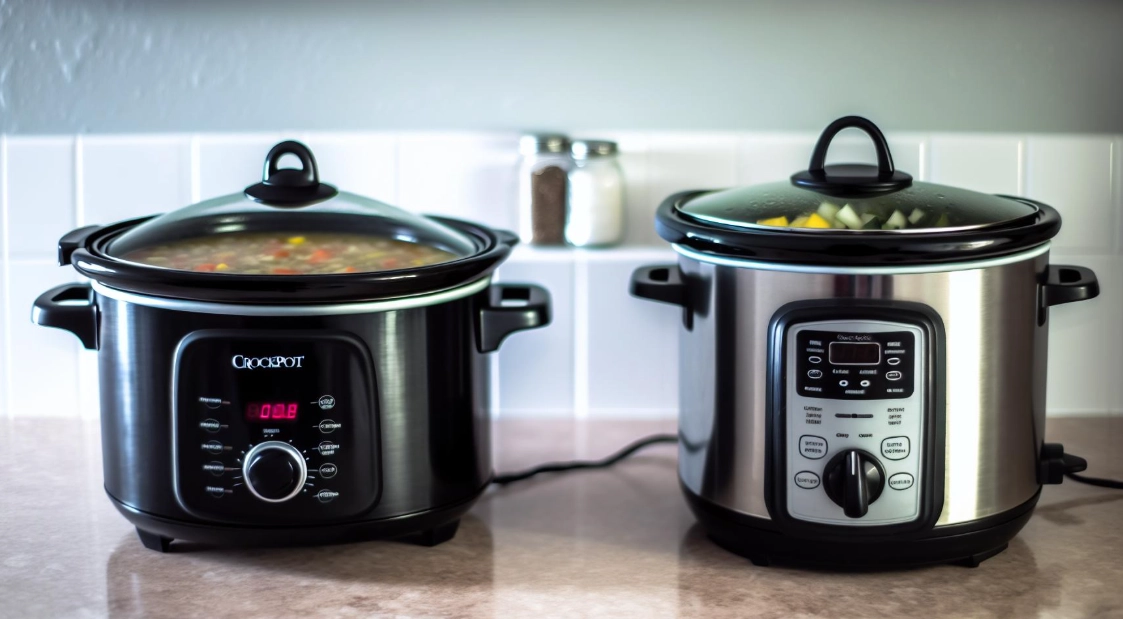
The Brand vs. Category Distinction
Crockpot is a trademark of Sunbeam Products, now owned by Newell Brands. Legally, only their appliances can carry the name. But in everyday talk, your neighbor saying "I threw it in the Crockpot" almost certainly means any slow cooker. The confusion is understandable.
The technical difference lives in the heating element. Most slow cookers use a heating coil at the base. Classic Crockpot designs (especially older models) used a ceramic or stoneware insert surrounded by a heating element that wrapped around the sides as well as the bottom. That wraparound heat is why some people claim old Crockpots cook more evenly. I tested this with a batch of chili in my 1990s Crockpot versus a modern base-heat-only model. The old one had fewer hot spots on the edges. Not a huge deal for soups, but for a pot roast it made a noticeable difference in texture.
How I Tested Both (And What I Found)
I ran three tests with the same recipes: a 6-hour beef stew, a 4-hour bean chili, and an 8-hour pulled pork. Each batch started with identical ingredients and was cooked on low.
- Beef stew: The vintage Crockpot (wraparound heat) produced more tender carrots and meat that shredded easily. The modern slow cooker left the carrots slightly firmer at the 6-hour mark.
- Bean chili: No difference in taste or texture. Both needed the same time.
- Pulled pork: The modern cooker ran a bit hotter on the bottom—I got a slight crust on the bottom layer of pork. The old Crockpot didn't. Some people like that crust; I don't.
Key Differences That Actually Affect Cooking
Beyond the brand label, here's what matters when you're standing in the store aisle:
| Feature | Classic Crockpot (older models) | Modern Slow Cooker (typical) |
|---|---|---|
| Heating element | Wraps around sides + bottom | Bottom only in most budget models |
| Insert material | Heavy ceramic stoneware | Ceramic or aluminum (lighter) |
| Lid | Glass, often not vented | Glass, sometimes with steam vent |
| Settings | Low, high, warm (manual dial) | Often programmable with timer |
| Price (new) | $40–$80 (rare, mostly vintage) | $25–$150 |
| Weight | Heavier (stoneware) | Lighter |
The heaviest stoneware insert in old Crockpots holds heat better, which helps when you open the lid to stir. But modern programmable timers are a real convenience—I use the delay start on my Hamilton Beach constantly for weeknight dinners.
Which One Should You Buy?
If you want a slow cooker for everyday meals, buy a programmable slow cooker with a ceramic insert and a locking lid. The brand doesn't matter. Look for at least 6 quarts if you cook for four people, and check that the insert is dishwasher-safe. I've had good luck with models from Hamilton Beach and Elite Gourmet.
If you're hunting for a vintage Crockpot at a thrift store, check three things: the stoneware insert isn't cracked, the heating element still gets hot on both settings, and the lid fits snugly. I once bought a $12 Crockpot at Goodwill that worked perfectly for five years—best kitchen deal I've ever found.
Skip the ultra-cheap $20 slow cookers with thin aluminum inserts. They heat unevenly and the nonstick coating scratches off fast. I learned that the hard way with a no-name brand that scorched tomato sauce on the bottom every single time.
Common Mistakes I See Beginners Make
One mistake almost everyone makes: overfilling the slow cooker. The stoneware should never be more than two-thirds full. I ignored that rule once with a batch of chicken and dumplings, and the steam couldn't escape properly. The dumplings turned gummy. Not good.
Another one that doesn't get mentioned enough: not browning meat first. Yes, slow cookers are convenient, but if you toss raw ground beef into a chili without browning it, the fat pools on top and the texture gets grainy. Five minutes in a skillet makes a real difference. I do it even on lazy Sundays.
And a subtle one: adding dairy too early. Milk, cream, and cheese break down after hours of heat. Stir them in during the last 20 minutes. I've ruined more creamy soups than I care to admit before figuring that out.
Reader Comments