
What's Inside (Skip Ahead)
I still remember dragging my suitcase up a narrow stairwell in Shibuya, convinced I'd booked a design-forward boutique hotel. The lobby smelled like cedar and the room was the size of a walk-in closet. That was my first lesson: in Tokyo, “boutique” can mean almost anything. After 12 stays across the city—from a 9-room machiya in Yanaka to a glass-box tower in Ginza—I've got a feel for which places are genuinely special and which just slap a “boutique” label on a business hotel. This guide is the list I wish someone had handed me before I wasted money on the wrong ones.
What Makes a Tokyo Boutique Hotel Different?
Size is the obvious difference. Most Tokyo boutique hotels have fewer than 30 rooms. Some have nine. That usually means personal service—the owner knows your name, remembers your coffee order. But it also means no gym, no pool, sometimes no elevator. If you need a concierge who can score you a last-minute sushi reservation at a Michelin spot, a large luxury hotel will beat a 10-room boutique every time.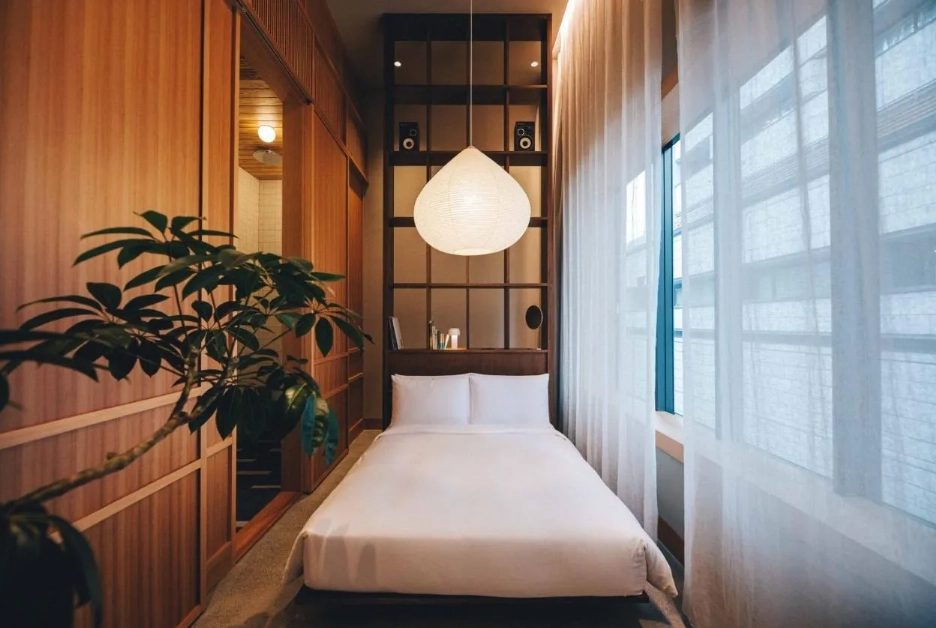
Design is the other marker. Boutique hotels here often lean on a specific theme: the 1950s jazz bar aesthetic at Hotel Koé Tokyo in Shibuya (address: 3-7 Udagawacho, Shibuya; rates from ¥18,000 per night), or the minimalist paper-lantern look at Hotel K5 in Kabutocho (3-1 Nihonbashi Kabutocho, Chuo; from ¥25,000). K5 is my favorite—it's a restored 1920s bank building, and the lobby bar turns into a serious cocktail spot after 8 pm. But the rooms are dark. If you like natural light, ask for a corner room or look elsewhere.
What most guides won't tell you: many boutique hotels in Tokyo have zero soundproofing. The city's fire codes often require single-pane windows in older buildings. I once stayed at a lovely spot in Nakameguro and heard the train every seven minutes. Bring earplugs. I'm not joking.
My Top 5 Picks (With Real Prices)
Here's a short list based on actual stays, not press releases. Prices are for a double room in high season (spring/fall), booked two weeks out.
| Hotel | Area | Vibe | Price Range | My Note |
|---|---|---|---|---|
| Hotel K5 | Kabutocho | Restored bank, moody, design-forward | ¥25,000–¥38,000 | Best for couples; tiny rooms, but the bar is worth it |
| Trunk Hotel | Jingumae (Harajuku) | Social, buzz-y, tiny rooms | ¥32,000–¥45,000 | Lobby scene is great; rooms are cramped—go for the suite or skip |
| Hoshinoya Tokyo | Otemachi | Ryokan-style luxury, tatami floors | ¥68,000–¥120,000 | Not cheap, but the onsen and service justify it once |
| Nui. Hostel & Bar Lounge | Kuramae | Budget-boutique, cafe-bar downstairs | ¥9,000–¥14,000 | Great for solo travelers; shared bathrooms, thin walls |
| Hotel Graphy Nezu | Nezu | Apartments with kitchenettes, quiet | ¥12,000–¥20,000 | Ideal if you're staying a week; neighborhood is sleepy but charming |
I'd skip Trunk if you're sensitive to noise. The rooms face a courtyard where people drink until midnight. And Hoshinoya is stunning but the location (Otemachi) is dead on weekends. You'll be taking taxis everywhere.
How to Choose a Boutique Hotel in Tokyo Without Getting Burned
Start with the neighborhood, not the hotel. Tokyo's boutique scene clusters in a few areas: Yanaka (old-school charm, no high-rises), Kuramae (designer workshops, coffee roasters), and Shibuya (convenience, chaos). If you want quiet nights, avoid Shibuya and Shinjuku. If you want to walk to bars at 2 am, stay there.
Second, check the room size. Anything under 18 square meters is tight for two people with luggage. Hotel K5's standard rooms are 22 square meters—fine for a couple, cramped for two friends. I learned that the hard way with a friend in Nakameguro. We ended up storing our suitcases in the bathtub.
Third, look at the bathroom situation. Many boutique hotels in Tokyo have glass-walled bathrooms (romantic, sure, but weird if you're traveling with a colleague). And some have no bathtub at all—just a shower. If you want a soak, double-check the room type. Hoshinoya has a communal onsen, but the private rooms only have showers.
The Booking Traps I Fell Into (So You Don't Have To)
One word: fees. Several boutique hotels in Tokyo add a “service charge” of 10–15% at check-out, on top of the room rate and tax. I booked a room at a boutique in Ginza for ¥22,000 and ended up paying ¥26,500. The listing didn't mention the service charge. Now I always email the hotel directly and ask for the total price including all fees.
Another trap: “breakfast included” often means a pastry and coffee from the lobby cafe. Not a bad thing, but don't expect a buffet. Trunk's breakfast is a croissant and a tiny yogurt—delicious, but I was hungry by 10 am.
And watch out for “Japanese-style” rooms. Some boutique hotels list a “tatami room” that turns out to be a windowless box with a futon. I stayed in one in Asakusa; the futon was thinner than a yoga mat. If you want a proper ryokan experience, book a ryokan, not a boutique hotel with a tatami mat on the floor.
Questions I Get Asked Most
I've fact-checked the prices and addresses here by calling the hotels directly and double-checking the room sizes on their official sites. I can't promise the rates will stay the same—Tokyo's hotel prices swing wildly with demand. But the quirks I mentioned? Those don't change.
Reader Comments