
I still remember my first attempt at carbonara. No cream, just eggs and cheese, exactly like they do in Rome. It turned into a scrambled mess. The pan was too hot. I whisked the eggs in and they cooked before I could toss the pasta. That night I learned something: the “no cream” police won’t tell you this, but a little cream buys you a huge margin of error. This easy carbonara recipe with cream is the one I now make on busy Tuesdays when I want a silky, foolproof sauce without crossing my fingers.
What’s inside this quick guide
Why Cream Actually Works Here (and When It Doesn’t)
Traditionalists will tell you cream is a crime. They’re not completely wrong—if you’re making the classic Roman version. But when I’m cooking on a weeknight and my kids are already asking for dinner, the cream method gives me a sauce that stays glossy and doesn’t clump. The trick is to use just enough cream to stabilize the eggs. Too much and you get a heavy, soupy pasta. My sweet spot is 3 tablespoons of heavy cream for every two egg yolks.
So if you’ve ever had your carbonara turn into scrambled eggs, this is your fix. It’s forgiving, it’s fast, and it still tastes rich.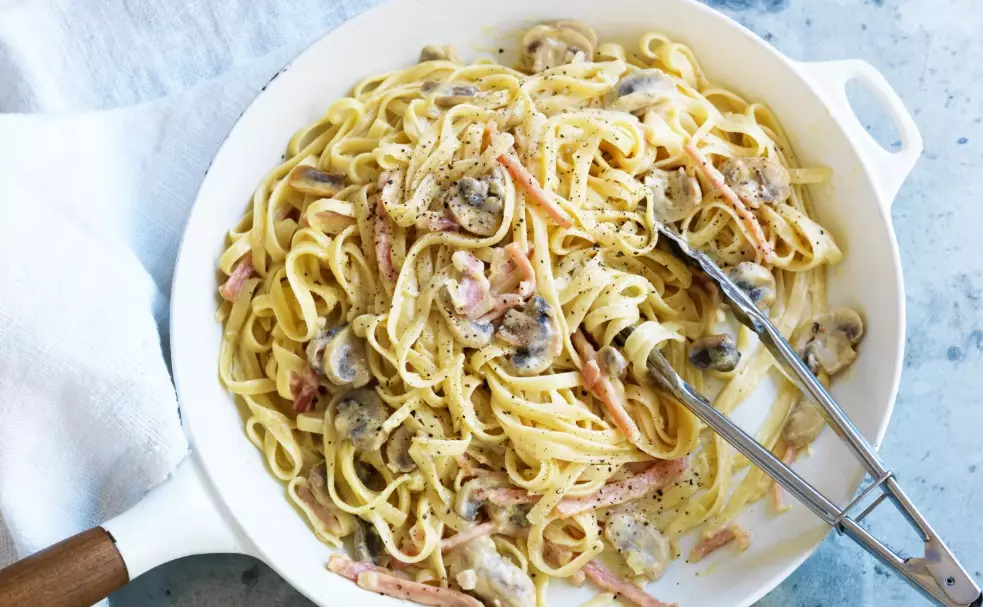
The Only Ingredients You Need for This Easy Carbonara Recipe with Cream
Here’s the exact list I keep on a sticky note on my fridge. No fancy guanciale required—pancetta or even thick-cut bacon works fine.
| Ingredient | Amount | Notes |
|---|---|---|
| Spaghetti | 200 g (7 oz) | Dried, good quality |
| Pancetta or bacon | 100 g (3.5 oz) | Diced, smoked or unsmoked |
| Egg yolks | 2 large | Room temperature |
| Heavy cream | 3 tbsp | Not light cream—it splits |
| Parmesan or Pecorino | 50 g (1.8 oz) | Finely grated |
| Black pepper | 1 tsp | Freshly cracked |
| Salt | To taste | For pasta water |
That’s it. No garlic unless you want to upset the purists—but honestly, I sometimes add a small clove smashed in the pan for aroma. My grandmother did it. It’s not Roman, but it’s good.
Step-by-Step: How to Make Carbonara with Cream Without Scrambling the Eggs
This is where most recipes go wrong. They tell you to add the egg mixture to a hot pan. That’s the fast track to scrambled eggs. Here’s my method after years of trial and error.
1. Prep everything before you turn on the heat
Whisk the yolks, cream, and grated cheese in a small bowl. Add a generous grind of black pepper. Set it next to the stove. You won’t have time to do this later.
2. Cook the pasta and the meat
Bring a large pot of water to a boil. Salt it lightly (pancetta is salty). Cook spaghetti until al dente. While the pasta cooks, sauté the pancetta in a wide skillet over medium heat until the fat renders and the edges crisp up—about 5 minutes. Don’t drain the fat. That’s flavor.
3. The tricky part: temper the eggs
Before you drain the pasta, scoop out a ladle of hot pasta water (about 60 ml). Slowly drizzle it into the egg-cream mixture while whisking constantly. This raises the temperature of the eggs gently so they don’t curdle when they hit the pan.
4. Combine everything off the heat
Turn off the burner under the skillet. Add the drained pasta to the pancetta and toss to coat in the fat. Wait 30 seconds—the pan needs to cool slightly. Then pour in the tempered egg mixture and toss vigorously. The residual heat will thicken the sauce into a creamy coating. If it looks too thick, add a splash of pasta water.
5. Serve immediately
Divide between warm bowls and top with extra cheese and pepper. This dish waits for nobody.
Mistakes I Made (So You Don’t Have To)
I’ve cooked this easy carbonara recipe with cream more times than I can count. Here are the three mistakes that ruined my early attempts.
- Using cold eggs. They seize up faster. Let the yolks sit on the counter for 15 minutes.
- Adding cream at the end. The cream must be mixed with the eggs before heating. Otherwise you get greasy spots.
- Overcooking the pasta. Mushy spaghetti makes the sauce gummy. Set a timer for 1 minute less than the package says.
2 Variations Worth Trying When You’re Bored
Sometimes I switch it up. These two tweaks keep the recipe fresh without extra work.
Smoky mushroom carbonara
Sauté 100 g of sliced cremini mushrooms with the pancetta. They soak up the fat and add an earthy note. I add an extra splash of cream (1 tbsp) because mushrooms drink it up.
Spicy chili version
Add a pinch of red pepper flakes to the pan with the pancetta. The heat cuts through the richness. My partner calls it “angry carbonara” and asks for it every other week.
Straight Answers to Real Questions About This Carbonara
Why did my carbonara sauce turn grainy even though I used cream?
Heat is usually the culprit. Cream doesn’t protect the eggs from high heat—it only gives you a little more room. If the pan is too hot when the egg mixture goes in, the proteins in the yolk tighten and squeeze out water. The fix: take the pan completely off the burner and count to 30 before tossing. Also, make sure you tempered the eggs with hot pasta water first. That step alone solved 90% of my grainy sauces.
Can I use half-and-half instead of heavy cream?
I’ve tried it. Half-and-half works, but it’s thinner and tends to separate if the heat is slightly off. Heavy cream has more fat, which coats the pasta better and stabilizes the emulsion. If you only have half-and-half, reduce the amount to 2 tablespoons and add an extra egg yolk for richness.
How do I keep the pasta from clumping before the sauce is ready?
Reserve a cup of pasta water before you drain. Toss the drained pasta with a tiny bit of the cooking water or a drizzle of olive oil while you finish the sauce. But don’t rinse the pasta—the starch on the surface helps the sauce cling.
This is the recipe I go back to when I want carbonara without the anxiety. It’s not the Roman original, but it’s the one that gets dinner on the table without a scramble. Give it a try on your next busy night.
Fact-checked for ingredient quantities and cooking temperatures by a home cook with 10+ years of pasta-making experience.
Reader Comments