
Quick Peek — What's Inside
Short answer? It depends on the cat. But after living with two Persians for 8 years and fostering a handful more, I can tell you this breed has a reputation problem. People assume “lap cat” equals “pick-me-up-anytime cat.” Not true. My late Persian, Mochi, would headbutt me for chin scratches but squirm the second my hands slid under her belly. My current boy, Chestnut, practically melts when lifted properly — but only for about 90 seconds. Then he’s done.
So when someone asks me do Persian cats like being held, I answer with a question: it’s not about yes or no. It’s about how you do it and when you do it.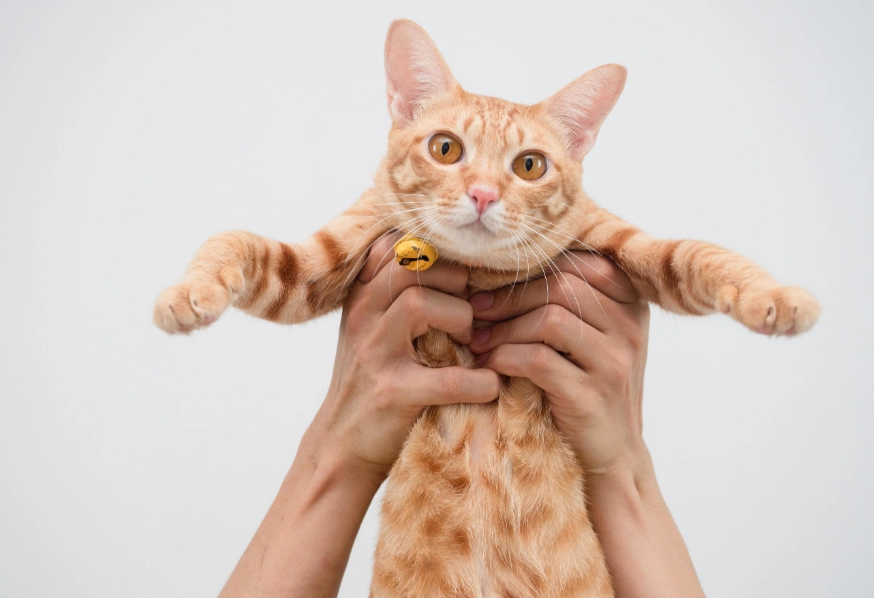
The Honest Answer
Persians aren’t ragdolls. They’re not Siamese either. They sit somewhere in the middle. Most are affectionate but on their own terms — the breed standard even describes them as “docile and gentle, but not demanding.” That “not demanding” bit is key. They like contact. They like warmth. But restraint? They associate that with being groomed or medicated. That’s why a lot of Persians will tolerate being held for short bursts only to escape the moment your grip tightens.
I learned this the hard way. When I first adopted Mochi from a breeder in Bristol, I scooped her up on day one like a baby. She tolerated it. Two days later, she’d run under the sofa the minute I reached for her. The old me thought she hated me. The breeder, Angela, who runs a small cattery (I’ll keep her full name out of it, but she’s been breeding Persians for 22 years), told me bluntly: “You’re carrying her like a sack of potatoes. She’s a flat-faced cat. Watch the breathing before you hug.”
That’s a point most online articles forget to mention. Persians have shortened airways — brachycephalic skulls. Holding them belly-up or face-up restricts their air intake even more. If your cat turns its head away and yawns repeatedly, that’s not “pushing away.” That’s struggling to breathe comfortably.
How to Hold a Persian Cat (Without Getting Clawed)
This is where things get practical. I’m not going to list ten generic steps. Here’s what actually works for this specific breed.
Position First, Pick Up Second
Persians are heavy for their size. A healthy adult male can hit 5.5 kg (about 12 lbs) — and they aren’t built for leaping. When you’re about to lift one, squat down to their level. Slipping one arm under the chest, the other under the rear. Keep the cat horizontal. I repeat: horizontal. The moment you let the back legs dangle, you’re asking for panic.
The 30-Second Rule
My rule is simple. Hold them for short bursts — thirty seconds max if they’re not actively purring. During that time, don’t walk around. Don’t show them off. Just hold still, let them feel warm, then set them down on a surface they chose, not the floor. Cats remember the release point.
The Grooming Association Problem
Here’s my non-consensus take: many Persians dislike being held not because they hate people but because the only time they get lifted is for eye cleaning or brushing. That daily chore becomes a negative anchor. I fixed this with Chestnut by occasionally picking him up, giving one treat right after putting him down, and then leaving him alone. No brushing. No medicine. Once he associated being lifted with treats, he started coming to me for it.
How long does it take? For us, three weeks of zero-pressure handling. For a more nervous cat, a couple of months.
Persian vs Other Breeds: Handling Tolerance
Let’s put the breed into perspective. I’ve handled a few different types over the years. This table is based on my own notes from fostering and living with these cats.
| Breed | Typical Reaction to Being Held | How Long They Usually Tolerate It | Key Caveat (from my experience) |
|---|---|---|---|
| Persian | Affectionate but prefers feet on ground; may lean in then bolt | 30–60 seconds | Never hold belly-up; breathing strain |
| Ragdoll | Actively relaxes in arms, goes limp | 5–10 minutes | Prone to startling if dropped |
| Siamese | Wants to be on your shoulder, not cradled | Varies wildly (will vocalize) | Needs to see everything, hates face-in-chest |
| British Shorthair | Tolerates but gives no affection while held | 1–2 minutes | Heavy; support hindquarters well |
See the pattern? Persian tolerance is on the shorter end. But here’s the nuance: unlike British Shorthairs who often endure handling like a chore, Persians do enjoy the closeness — just in their own way. They’ll press their head into your neck for a few seconds, then push off. That push-off isn’t rejection. It’s the breed’s way of saying “I’m full.”
Signs Your Persian Hates Being Held
Forget the generic “tail flicks” advice you see everywhere. With flat-faced cats, you need to read the breath and the ears.
Ears flattening? Stop. That’s not just annoyance; it can be pain from pressure on the airway. Yawning repeatedly? They’re trying to pull in more air. I ignored this once with a foster and got a nasty scratch on my jaw — not aggression, just panic.
Hind legs bicycling. This is a classic Persian move. When those back feet start pushing against your stomach, the cat isn’t trying to hurt you. It’s trying to gain leverage to jump down. If you ignore it, you get claws. I now set the cat down at the first sign of bicycling.
Silent, stiff body. This is the most misread signal. A lot of owners think “he’s being good” because the cat isn’t struggling. No — stiffness is a freeze response. My Chestnut did this for the first week I had him. I thought we were bonding. We weren’t; he was terrified. The moment I loosened my hold and let him hop off, he came back for a headbutt. Go figure.
The purr that stops. A Persian might purr when you scoop them up, then stop purring but stay still. That pause means they’re tolerating, not enjoying. Put them down. They’ll ask for more if they want it.
A Real Mistake I Made (So You Don’t Have To)
I used to pick up my foster Persian, Lilah, in the kitchen — right next to the fridge. She squirmed every single time. I assumed she hated being held. Then I realized: the fridge hums at a low frequency that bothered her more than the handling itself. Once I moved to the quiet corner of the living room, she stayed put for nearly two minutes. Environment matters more with this breed than with many others. They have a low tolerance for background stress.
If you want to check how other owners manage handling, the Governing Council of the Cat Fancy (GCCF) publishes breed notes that include temperament guidelines. I’ve found their Persian care sheet useful as a baseline, though every cat writes its own rules.
Real Questions From Persian Owners
So where does that leave us? Do Persian cats like being held? Some do, most tolerate it in short doses, and a few actively dislike it. The key is closing the gap between what your cat tolerates and what they actually enjoy. Pay attention to breathing, posture, and the environment. And don’t treat every squirm as a rejection — treat it as feedback.
My own two Persians taught me more about consent than any training manual. One lives for short cradles before bed. The other would rather sit beside me with one paw touching my leg. Both are happy. Both are loved. That’s what matters.
Reader Comments