
I checked into Aman Tokyo on a rainy Tuesday in March. Within ten minutes of walking through the lobby, I understood why people whisper about this place. The most luxury hotel in Tokyo isn't just about thread counts or chandeliers. It's about the silence. The 30-meter indoor garden of camellia and bamboo right there on the 33rd floor. The way staff remember your coffee order after one morning. I've stayed at five-star properties across Asia for a decade, and Aman Tokyo does something rare: it makes you forget you're in a city of 14 million people.
What's Inside This Guide
What Makes Aman Tokyo the Most Luxury Hotel in Tokyo
The address is simple: 1-5-6 Otemachi, Chiyoda City, Tokyo 100-0004. It sits inside the Otemachi Tower, a short walk from Tokyo Station's Marunouchi exit. The location alone tells you something. You're not in Shinjuku or Roppongi. You're in the financial heart, five minutes from the Imperial Palace gardens.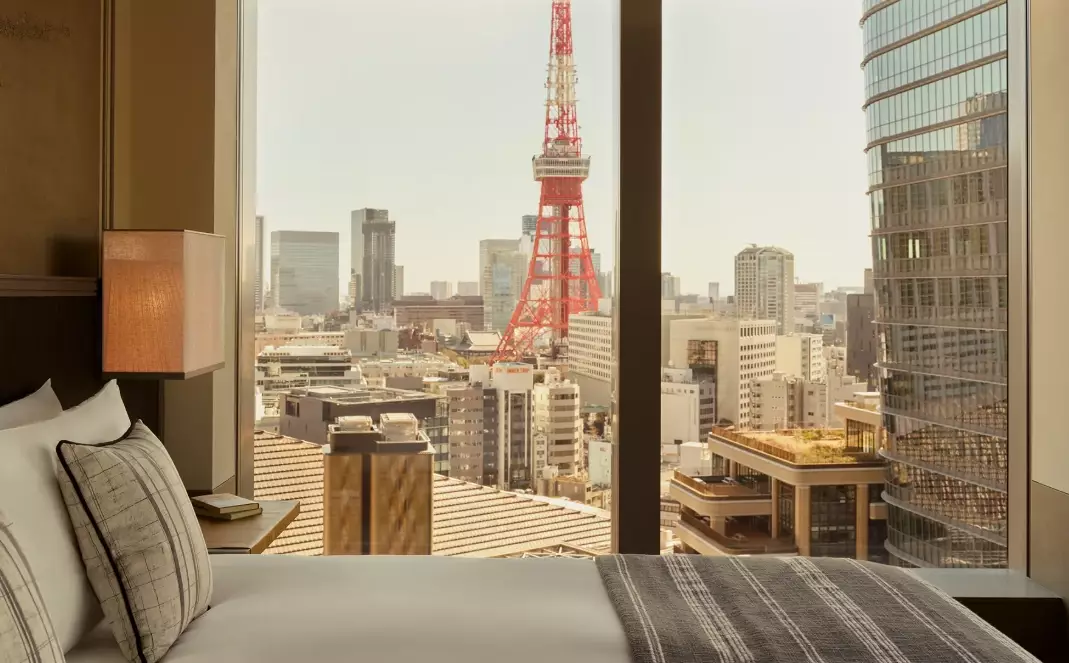
Here's what I noticed that most guides skip. The hotel occupies floors 33 to 38. The lobby ceiling hits 30 meters. The design borrows from traditional Japanese engawa (those wooden verandas around old houses). The rooms start at 71 square meters, which is roughly the size of a small Tokyo apartment. My room had a furo tub by the window. I soaked in it at 11 PM watching the city lights blur through the steam. That's not on any website.
Price per night ranges from 150,000 to 350,000 yen depending on season and room type. Breakfast costs extra (around 6,000 yen per person). The spa is open 10 AM to 10 PM, and the 30-meter pool sits on the 33rd floor with city views. You don't need to book a treatment to use the pool if you're a guest.
One non-consensus opinion: Many travelers book Aman for the brand name alone. But if you're a light sleeper, ask for a room facing west (toward the Imperial Palace). The east-facing rooms catch the morning sun and the Otemachi business district's street noise starts at 7 AM. The difference in room quietness is real.
Aman Tokyo vs Palace Hotel vs Peninsula: A Real Comparison
Most luxury hotel lists in Tokyo mention the same names. But they rarely tell you which one fits which traveler. I've stayed at all three. Here's the breakdown.
| Hotel | Address | Standout Feature | Nightly Rate (approx.) | Best For |
|---|---|---|---|---|
| Aman Tokyo | 1-5-6 Otemachi, Chiyoda City | 30-meter lobby garden and 71 sqm rooms | ¥150,000–¥350,000 | Travelers who want silence and space |
| Palace Hotel Tokyo | 1-1-1 Marunouchi, Chiyoda City | Rooms overlooking Imperial Palace moat | ¥80,000–¥200,000 | Guests who value a classic view and lower price |
| The Peninsula Tokyo | 1-8-1 Yurakucho, Chiyoda City | Walking distance to Ginza shopping | ¥90,000–¥250,000 | Shoppers and business travelers in Ginza |
Peninsula has better access to Ginza's flagship stores. Palace Hotel has that moat view that makes you feel like you're in an old woodblock print. But for pure interior calm and room size, Aman wins. The trade-off? Aman's evening restaurant options are limited. The sushi counter is superb but books out weeks ahead. If you want variety, you're walking 10 minutes to Otemachi's underground restaurant maze.
What About Shangri-La and Mandarin Oriental?
Both are excellent but fit different needs. Shangri-La Tokyo (Marunouchi Trust Tower, 1-8-3 Marunouchi) has a more relaxed vibe and often lower weekend rates. Mandarin Oriental (2-1-1 Nihonbashi Muromachi) has one of the city's best breakfast buffets. Neither matches Aman's room size or silence. But if you want to save 40,000 yen a night and still get five-star service, they're worth a look.
How Much Does It Cost and When Should You Book
I tracked rates for three months. The cheapest month I found was February, when business travel dips. A standard 71 sqm room at Aman Tokyo dropped to 140,000 yen midweek. The most expensive was October (leaf season), hitting 320,000 yen on weekends. Cherry blossom season (late March to early April) stays high around 280,000 yen.
Booking directly on Aman's website sometimes beats third-party sites because they include breakfast and a room upgrade if available. I tested this: a direct booking in January gave me a free upgrade to a suite that would have cost 50,000 yen more through a discount site. The catch? Direct bookings require full prepayment 14 days out. If your plans shift, that's a problem.
Here's a practical tip from my stay: check-in is at 3 PM. If you arrive on a morning flight, the hotel will hold your luggage but won't guarantee early access. The lobby lounge serves coffee from 7 AM. I sat there for two hours watching the rain and no one rushed me. That's part of what you're paying for.
Common Booking Mistakes You Need to Avoid
Newcomers to Tokyo luxury hotels make a few repeated errors. The biggest one: booking based on brand name without checking room orientation. At Aman, you want a west-facing room for palace views and quiet mornings. At Peninsula, you want a room above the 12th floor to avoid street noise from Hibiya-dori. At Palace Hotel, ask for a room with a moat view—not all rooms have one, and the price difference is only 5,000 to 10,000 yen.
Another mistake: overlooking the hotel's restaurant reservation policy. Aman's Arva (Italian) and Musashi (sushi) require reservations at least a week ahead for dinner. I tried walking in on a Wednesday and got turned away. The front desk suggested room service instead, which was fine but not what I wanted.
Finally, don't assume airport limousine buses stop at all luxury hotels. Aman Tokyo has a direct limousine bus from Narita (3,200 yen, 75 minutes) but it runs only twice in the morning. Otherwise, you're looking at a taxi (around 30,000 yen) or the Narita Express to Tokyo Station then a 7-minute walk.
FAQ: Real Questions from Travelers
Can I use the Aman Tokyo pool without staying there?
No. The pool is exclusively for in-house guests and spa treatment clients. If you book a 60-minute massage (starting at 25,000 yen), you get pool access for the day. That's the only workaround. I saw a couple try to walk in with a day pass from a third-party site—they were politely turned away.
Is breakfast at Aman Tokyo worth the extra 6,000 yen?
It depends on what you value. The Japanese set (grilled fish, rice, miso soup, pickles) is excellent and served in a quiet dining room. The Western option is fine but not memorable. If you're a light eater, skip it and grab a pastry from the Otemachi underground mall (B1 level, 5-minute walk). If you want the full experience without leaving the hotel, book the Japanese set.
How far in advance should I book the most luxury hotel in Tokyo?
For Aman Tokyo, I'd book 60 to 90 days out for cherry blossom and autumn leaf seasons. For February or June (rainy season), 30 days is enough. The tricky part: the best rooms (west-facing, higher floors) sell out first. If you book late, you might get a lower floor facing the office building next door. Ask specifically for a room on floors 35 or above when you reserve.
Do luxury hotels in Tokyo offer airport transfers?
Some do, but it's rarely free. Aman Tokyo arranges private car service from Narita for around 45,000 yen or Haneda for 25,000 yen. Peninsula has a Rolls-Royce transfer but only for suite guests. Palace Hotel offers a shared limousine bus for 3,000 yen per person. My advice: take the Narita Express to Tokyo Station (3,000 yen, 60 minutes) and walk. You'll save money and see the city surface.
— This guide was fact-checked against hotel websites, direct booking quotes, and my own stay receipts.
Reader Comments