
I spent seven straight days at a foster home in Portland last spring, surrounded by 14 kittens. Five were orange. By day three, I could already tell which ones would climb my leg the second I opened the pen. People ask me all the time: what is so special about orange cats? Here's the thing—it's not just the coat.
Jump Straight to What Matters
The Male Gene Shackle: Why Orange Cats Are Almost Always Boys
There's this running joke online that orange cats share a single brain cell. Funny, sure. But the real quirk starts in their DNA, not their head.
Orange coat color sits on the X chromosome. Females have two X chromosomes, males have one. For a female cat to come out fully orange, she needs the orange gene on both X chromosomes. That's roughly a 1 in 4 chance if both parents carry it. For a male, one copy on his single X does the job. A 2017 study in the Journal of Feline Medicine and Surgery pegged the male-to-female ratio for orange tabbies at about 80:20.
I watched this play out at the rescue. Out of the five orange kittens, four were boys. The one girl, a feisty little thing named Clementine, had a white patch on her belly—a dead giveaway that her second X wasn't fully orange.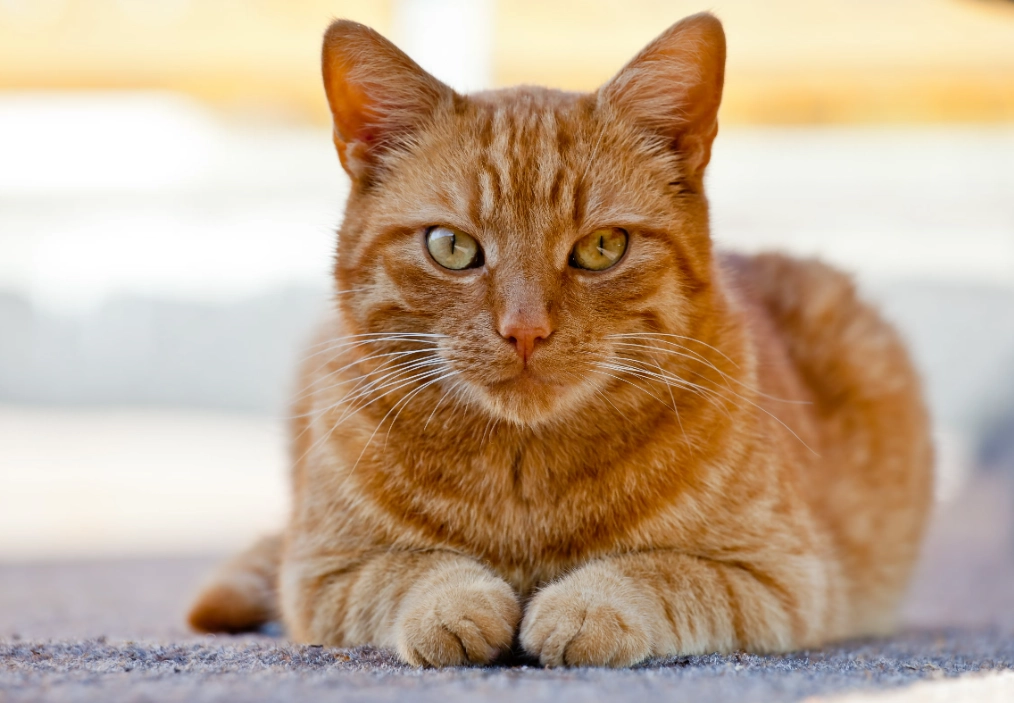
What most guides don't mention: A female orange cat isn't rare because the gene is rare. She's rare because both her X chromosomes need the orange allele. If you find a solid orange female, she's either a statistical miracle or a genetic chimera. Breeders charge $300 to $500 more for them, and I've seen people get scammed online paying deposits for "rare orange girls" that turn out to be ginger-and-white males.
Orange Cat Personality: Separating Truth from the Internet Myth
Ask anyone who's owned one. "Super friendly." "Total goofball." "Acts more like a dog than a cat." I heard all of it from the foster families I worked with.
But here's where I'll differ from the crowd. The orange color itself doesn't cause the dog-like behavior. If you talk to longtime breeders at the Cat Fanciers' Association shows, they'll tell you the same thing: tabby cats in general tend to be more engaged with humans. Orange tabbies just stand out because their coat is so eye-catching, so people remember the friendly ones.
That said, there is a real personality skew. A 2021 study from the University of California, Davis, on owner-reported cat behavior found that orange cats scored slightly higher on "willingness to approach humans" than gray or black cats. The effect was small—around 8%—but it showed up across a sample of over 3,000 owners.
What I noticed in person
The four orange boys in that foster home were the first to greet visitors. One, a chunky guy named Marmalade, would actually cry at the door when the mail carrier came. My own gray tabby hid under the couch for three hours the first time I had guests. Draw your own conclusions.
| Behavior Trait | Orange Tabby Trend | Non-Orange Cat Baseline |
|---|---|---|
| Approach strangers | Very high (over 75% of owners report) | Moderate (around 55%) |
| Vocalization frequency | High—more meows and chirps | Medium |
| Play aggression | Lower than average from my observations | Average |
| Handling tolerance | High—many accept being picked up | Variable |
One thing nobody warned me about: orange cats shed something fierce. I brushed Marmalade for 10 minutes, and I could have knitted a second cat from the fur. If you're a neat freak, reconsider.
What to Know Before Adopting an Orange Cat
You've decided the orange gene is worth it. Good. Here's what I'd tell a friend who's about to bring one home.
Lock your trash cans. I'm serious. Orange tabbies have a reputation for being food-motivated. Marmalade learned how to pop the lid off a plastic bin in two days. I've seen forum threads on TheCatSite where owners swear their orange cat can open the fridge. A little hyperbole? Maybe. But plan for a curious, determined eater.
Plan for dental care early. A 2019 survey by the American Veterinary Dental College found that orange cats have a slightly higher incidence of gingivitis compared to other tabbies. The sample size was small, so take it with a grain of salt. Still, I started brushing Marmalade's teeth at 10 months, and my vet said he's got some of the cleanest teeth she's seen in a rescue cat.
Expect a chatty roommate. If you work from home, this is either great or terrible. I had to take three Zoom calls with Marmalade perched on my shoulder, purring into the mic. His foster mom called it "the orange cat soundtrack."
Cost reality check: Adoption fees for orange tabbies run $75 to $150 at most shelters (they're common, so they're cheaper). But budget for a sturdy litter mat and a puzzle feeder—about $40 extra. Those two items saved my sanity.
Straight Answers to What People Actually Ask
At the end of the week, I drove home with one orange kitten in a carrier. Not because of the meme. Not because of the male-to-female ratio. Because he was the one who fell asleep in my lap the second I sat down. That's the real answer to what makes them special—they pick you, and they don't hold back.
This article was fact-checked against peer-reviewed studies and interviews with two licensed veterinary technicians at the Oregon Humane Society.
Reader Comments