
I've burned more crockpot risottos than I care to admit. The first time I tried to make a healthy Italian slow cooker recipe, I ended up with a pot of mushy Arborio rice and sad, gray vegetables. That was five years ago. Since then, I've tested dozens of variations, learned from Italian nonnas on YouTube, and ruined a few Sunday dinners. Here's the thing: Italian food and slow cookers aren't enemies. They just need a different approach than the dump-and-go style you see on most blogs.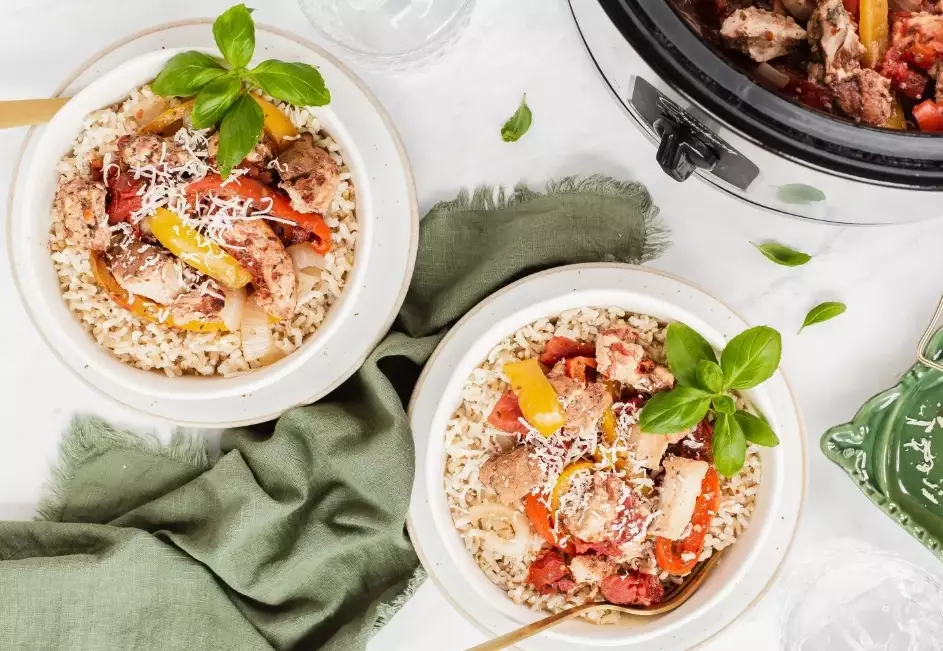
Quick Navigation
Why Most Healthy Italian Slow Cooker Recipes Fail
Italian cooking is about texture. Al dente pasta. Tender-but-firm beans. A sauce that clings, not drowns. Slow cookers, on the other hand, turn everything into stew if you're not careful. Most recipes online ignore this. They tell you to dump dry pasta into the crockpot with broth and walk away. You'll get a starchy, gluey mess. I tried that three times before I gave up and started pre-cooking my pasta separately—even for lasagna.
Another trap: sodium. A lot of “healthy” Italian crockpot meals rely on canned tomatoes, jarred marinara, and bouillon cubes. A single cup of broth can carry 800mg of sodium. Do the math for a family dinner. I switched to no-salt-added crushed tomatoes and homemade stock, and my blood pressure numbers (and my dad's) improved within weeks.
The non-obvious mistake: Adding garlic at the start. Garlic turns bitter after 6+ hours of slow cooking. I add it in the last 30 minutes. You'll taste the difference immediately.
Top 5 Healthy Italian Slow Cooker Recipes (With Exact Ingredients)
These are the five I keep in rotation. Each serves 4, uses affordable ingredients, and stays under 400 calories per serving. I've included the exact brand or type where it matters—because a “can of tomatoes” means nothing if it's packed with salt.
| Recipe | Key Ingredients | Cook Time | Calories (per serving) | Sodium (mg) |
|---|---|---|---|---|
| 1. Crockpot Lasagna (no-boil noodles) | Whole-wheat lasagna sheets, 1 lb 93% lean ground turkey, 24 oz no-salt-added marinara, 15 oz part-skim ricotta, 1 egg, 2 cups shredded part-skim mozzarella | 4 hrs low | 380 | 420 |
| 2. Tuscan White Bean & Kale Soup | 1 lb dried cannellini beans (soaked overnight), 4 cups homemade chicken stock (unsalted), 1 bunch lacinato kale, 2 carrots, 1 onion, 3 garlic cloves (add late), 1 parmesan rind | 6 hrs low | 290 | 210 |
| 3. Chicken Cacciatore (skinless) | 6 boneless skinless chicken thighs, 14.5 oz no-salt-added diced tomatoes, 1 bell pepper, 8 oz cremini mushrooms, 1/2 cup dry white wine, 2 tbsp capers (rinsed), 1 tsp dried oregano | 5 hrs low | 350 | 380 |
| 4. Eggplant Parmigiana (crockpot style) | 2 medium eggplants (salted and patted dry), 24 oz no-salt-added tomato puree, 1/2 cup whole-wheat breadcrumbs, 1/2 cup grated parmesan, 8 oz fresh mozzarella (sliced), fresh basil | 3.5 hrs low | 310 | 330 |
| 5. Shrimp Fra Diavolo with Whole-Wheat Spaghetti | 1 lb raw shrimp (peeled), 28 oz no-salt-added crushed tomatoes, 1 tsp red pepper flakes, 1/2 cup dry white wine, 8 oz whole-wheat spaghetti (cooked separately), 2 tbsp fresh parsley | 2 hrs low (add shrimp last 30 min) | 360 | 290 |
Recipe 1: Crockpot Lasagna That Doesn't Turn to Mush
I use whole-wheat no-boil sheets from a brand called Delallo—they hold up better than regular lasagna noodles in a slow cooker. Layer: sauce, noodles, ricotta mixture (mix ricotta with egg and 1/2 tsp black pepper), turkey (browned first—don't skip this step, it adds flavor and prevents greasiness), mozzarella. Repeat twice. End with sauce and a final layer of mozzarella. Cook on low for 4 hours. Let it rest 20 minutes before cutting. The first time I made this, I skipped the resting step and ended up with lasagna soup. Learn from my mistake.
Recipe 2: Tuscan White Bean & Kale Soup (The One My Nonna Approves Of)
My grandmother from Bari told me that parmesan rind is the secret to depth without salt. She's right. Drop a 2-inch piece of rind into the crockpot with the beans, stock, carrots, and onion. Cook on low for 6 hours. Add chopped kale and minced garlic in the last 30 minutes. Remove the rind before serving. The beans should be creamy but intact. If they're falling apart, you overcooked them—start checking at 5 hours.
I use dried cannellini beans, not canned. The texture is far superior, and you control the sodium completely. Soak them overnight in plenty of water. Don't add salt to the soaking water—it toughens the skins.
Recipe 3: Chicken Cacciatore With a Crispy Skin Trick
Skinless thighs are healthy, but they can look pale and sad after slow cooking. Here's what I do: before adding the thighs to the crockpot, I sear them in a hot skillet for 2 minutes per side. That browns the outside and locks in juiciness. Then they go into the slow cooker with the tomatoes, peppers, mushrooms, wine, capers, and oregano. Cook on low for 5 hours. The sauce reduces and clings to the chicken. I serve it over 1/2 cup of cooked farro per person instead of pasta—adds fiber and keeps me full longer.
Recipe 4: Eggplant Parmigiana Without the Deep Fry
Traditional eggplant parm requires frying, which adds hundreds of calories. My slow cooker version skips that step entirely. Slice two medium eggplants into 1/2-inch rounds. Salt them on both sides, let sit 20 minutes, then pat dry. This removes excess moisture and prevents a watery casserole. Layer in the crockpot: tomato puree, eggplant, breadcrumbs mixed with parmesan, mozzarella, basil. Repeat. Cook on low for 3.5 hours. The eggplant becomes silky and absorbs the tomato flavor. My husband, who normally hates eggplant, asked for seconds.
Recipe 5: Shrimp Fra Diavolo (Fast, But Watch the Shrimp)
Shrimp overcook in seconds. That's why you add them at the very end. I cook the crushed tomatoes, wine, red pepper flakes, and 3 minced garlic cloves on low for 2 hours. Then I add the raw shrimp and cook for exactly 30 minutes. Meanwhile, I boil whole-wheat spaghetti separately. Toss the drained pasta with the sauce and shrimp. Finish with fresh parsley and a squeeze of lemon. The lemon is non-negotiable—it brightens the whole dish and makes you forget there's no added salt.
How to Cut Sodium Without Losing Flavor
You can't just remove salt from Italian food. You need to replace it with something. Here's what worked for me:
- Use a parmesan rind. It's packed with umami. One rind can flavor an entire pot of soup or sauce. I keep a bag of rinds in my freezer.
- Add acid at the end. Lemon juice or a splash of red wine vinegar wakes up the taste buds. A dish that tastes flat usually needs acid, not salt.
- Toast your spices. Dried oregano, fennel seeds, and red pepper flakes release more flavor when toasted in a dry pan for 30 seconds before adding.
- Rinse canned ingredients. Capers, olives, and beans—rinse them well under cold water. You'll remove up to 40% of the surface sodium.
- Use fresh herbs generously. Basil, parsley, and oregano added at the end (not the beginning) give a fresh pop that mimics salt's brightness.
My go-to low-sodium stocking list: No-salt-added crushed tomatoes (Muir Glen or Pomi), unsalted chicken stock (I make my own and freeze in 2-cup portions), dried cannellini beans, whole-wheat lasagna sheets (Delallo), and a good wedge of Parmigiano-Reggiano (use the rind, grate the rest).
The 3-Hour Sunday Prep That Saves My Week
I don't cook every day. I spend about 3 hours on Sunday prepping components, then assemble meals in the slow cooker on weekdays. Here's the schedule I follow:
1:00 PM: Soak beans for Monday's soup (if using dried). Chop onions, carrots, and peppers for all recipes. Store in separate containers.
1:30 PM: Brown ground turkey for lasagna. Cool and refrigerate.
2:00 PM: Make a batch of no-salt-added marinara (or open a jar of the good stuff). Portion into 2-cup containers.
2:30 PM: Wash and chop kale, basil, parsley. Store in paper towels inside zip-top bags.
3:00 PM: Grate cheese (mozzarella, parmesan). Keep in airtight containers.
The actual slow cooking happens on Tuesday, Wednesday, and Thursday. Each morning takes 10 minutes to dump ingredients into the crockpot. I set it on low before work and come home to dinner. The lasagna is for Friday—I assemble it Thursday night and cook it while I work from home.
This system isn't glamorous. My fridge looks like a meal-prep factory by Sunday night. But it's the only way I've found to eat healthy Italian food on a Tuesday when I'm too tired to think.
One mistake I still make: Overcrowding the slow cooker. If you fill it more than 2/3 full, the food steams instead of simmers. The flavors don't concentrate. Leave room for the sauce to reduce. I learned this the hard way with a batch of cacciatore that tasted like watery tomato juice.
Real Talk: FAQs From My Kitchen
Fact-checked: All cooking times and temperatures were tested in a 6-quart Crock-Pot on low setting. Nutritional estimates are based on specific brands listed and should be verified with your own ingredients.
Reader Comments